
Bancor: The Rival to the Dollar That Never Was
How Keynes’s unrealized bancor plan tried to build a world monetary system not dominated by the dollar — and why it lost.
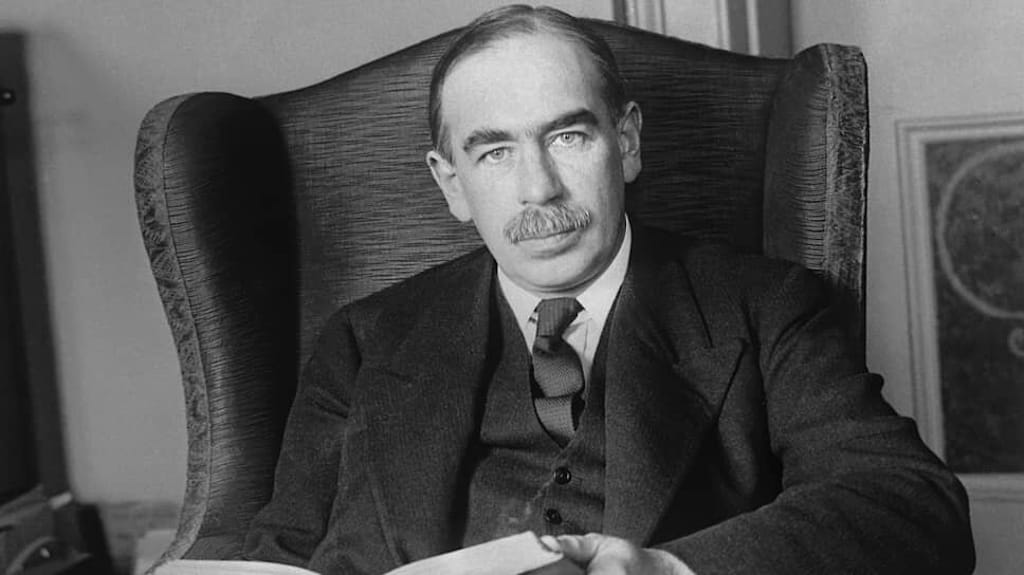
An idea that could have changed the world economy
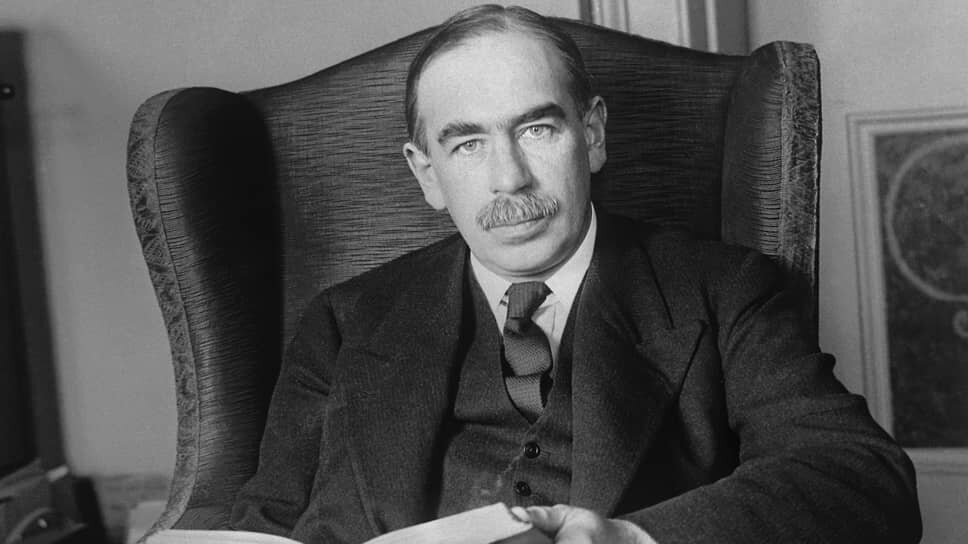
Bancor was a monetary unit that never existed in wallets, banks, or cash registers. You could not touch it, lock it in a safe, or exchange it at a currency booth. But if John Maynard Keynes’s plan had been adopted after the Second World War, bancor might have become the foundation of the global financial system instead of the dollar.
The idea appeared during preparations for the Bretton Woods Conference of 1944, where the Allies were deciding how the postwar economy would be organized. The world was only beginning to emerge from catastrophe: Europe lay in ruins, international trade had collapsed, gold was in short supply, and countries feared a repeat of the crises of the 1930s. A new system was needed — one that would allow trade, lending, and economic recovery without the chaos of currency wars.
Keynes proposed creating a supranational settlement currency called bancor. It would not have been money for ordinary people, but an international unit of account used between central banks. Countries would settle with each other not directly in dollars, pounds, or francs, but through a special International Clearing Union.
Why Keynes did not want to hand the world over to the dollar
The central idea behind Key
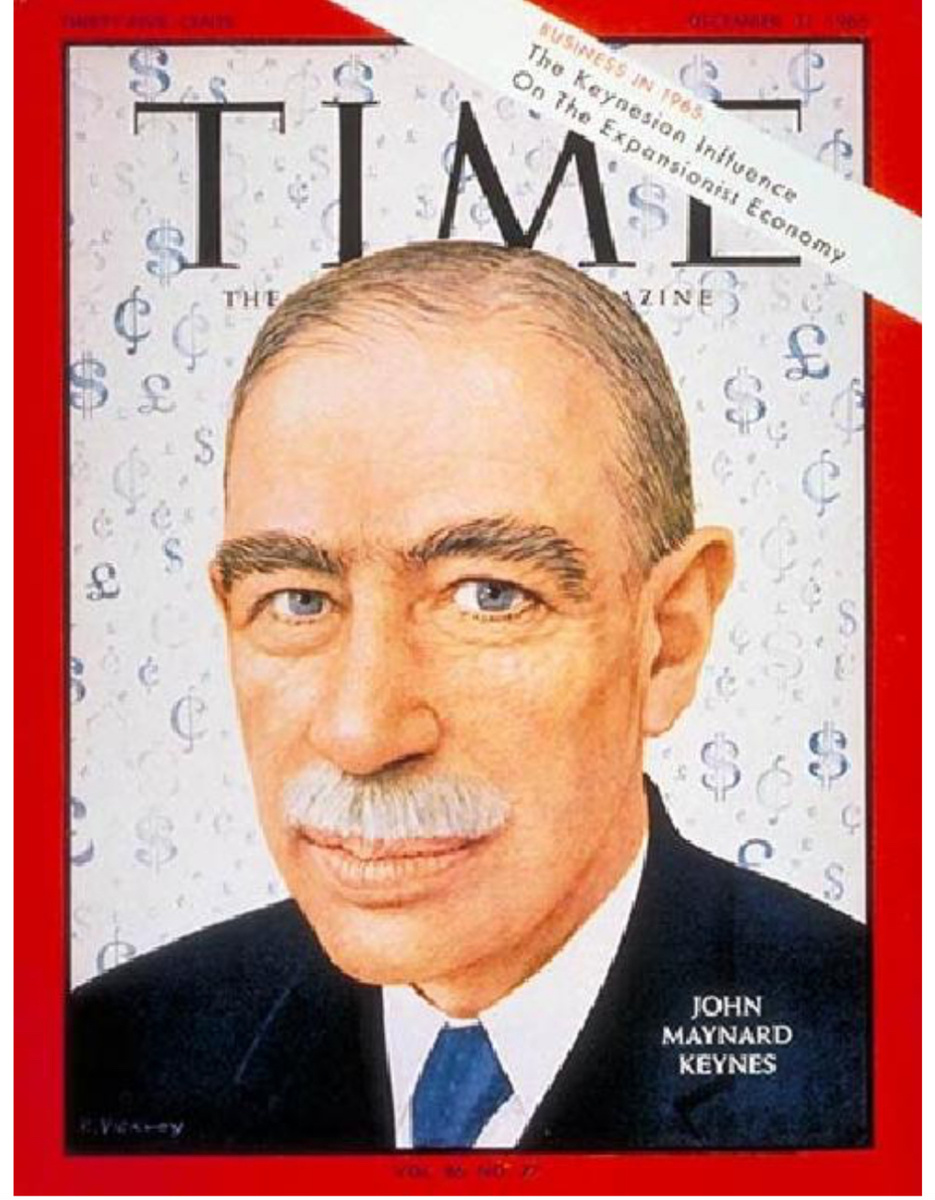
nes’s plan was simple: world trade should not depend on the currency of a single country. If the global system is tied to the dollar, then the United States gains a special position. It can issue the currency the whole world needs, finance its own deficits, and influence international settlements more than anyone else.
Bancor was supposed to solve that problem. It would not belong to the United States, Britain, or France. It would be a neutral global unit of account, linked either to a basket of goods or to gold. Countries would hold accounts in bancor, and trade imbalances would be recorded within that system.
The most interesting part is that Keynes wanted to penalize not only debtors, but also overly successful creditors. In an ordinary system, a country with a deficit is forced to cut spending, reduce imports, and endure crisis. A country with a huge surplus, by contrast, simply accumulates wealth and puts pressure on others. Keynes considered that both unfair and dangerous. In his design, both deficit and excessive surplus were treated as problems.
How it was supposed to work
Imagine two countries. One consistently buys more than it sells and slips deeper into deficit. The other consistently sells more than it buys and keeps piling up surpluses. Under the bancor system, both sides would have had an incentive to correct the imbalance.
A debtor country would pay interest on an excessively large deficit. But a creditor country that held an oversized surplus for too long would also face sanctions — for example, the loss of part of its accumulated balance or pressure to expand its imports. In other words, the system was meant to push the world not toward permanent imbalances, but toward more even trade.
It was a remarkably bold idea. In effect, Keynes was proposing a global financial order in which no country could live indefinitely off other people’s debt or other people’s demand.
Why the dollar won
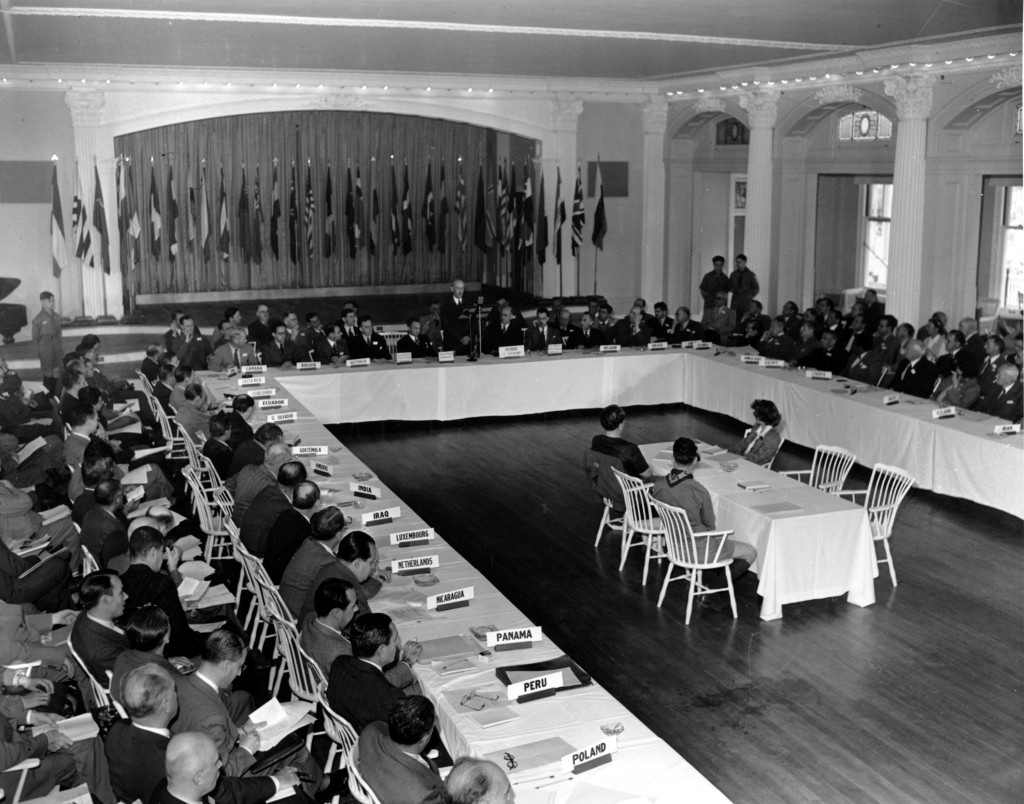
The problem was politics. In 1944, the United States emerged from the war as the strongest economy in the world. It held enormous gold reserves, a powerful industrial base, and the status of the world’s leading creditor. Britain, by contrast, was exhausted by war and dependent on American support.
The Americans did not want a neutral currency that would limit their advantage. They pushed instead for a system in which the dollar, tied to gold, would become the central pillar. That is what happened: under Bretton Woods, the dollar became the key global currency, and other currencies were pegged to it. The United States promised to exchange dollars for gold at a fixed rate of 35 dollars per ounce.
Bancor did not fail because it was a foolish idea. It failed because Keynes did not have a country powerful enough behind him. The United States had money, gold, and influence. Britain had brilliant economic thinking, but no longer possessed its former imperial strength.
What remained of the bancor idea
Formally, bancor never appeared. But part of the idea later found a distant echo in the IMF’s Special Drawing Rights, or SDRs. These too are an international reserve asset, not the currency of any one specific country. But SDRs never became a full global settlement system and never replaced the dollar.
Interest in bancor returns whenever the world begins once again to question its dependence on the American currency. When the United States imposes sanctions, freezes assets, or uses the dollar system as an instrument of pressure, many people return to Keynes’s old question: is it really normal for the world economy to depend on the currency of one state?
In that sense, bancor was an idea ahead of its time. It proposed not just a new currency, but a different principle for the world economy — one more symmetrical, less dependent on a single center, and more sensitive to trade imbalances.
Why the story of bancor matters today

Today, the dollar remains the world’s main reserve currency, but dissatisfaction with its role is growing. China promotes the yuan, BRICS countries discuss alternative settlement systems, and central bank digital currencies are opening new possibilities for international payments. But so far, no project has managed to challenge the dollar in the way bancor once might have tried to do.
The story of bancor shows one simple thing: a world currency is not only about economics, but also about power. The most elegant design does not always win. The winner is the one backed by the strongest political and financial machine.
Bancor remained a rival to the dollar that never came into being, but its shadow is still visible in every argument about a new world financial order. Because Keynes’s central question has never gone away: should the whole world really depend on the money of a single country?
About the Creator
Enjoyed the story? Support the Creator.
Subscribe for free to receive all their stories in your feed.
Comments
There are no comments for this story
Be the first to respond and start the conversation.