
Australia Wood Plastic Composites Market Is Transforming Sustainable Construction
Eco-friendly materials and rising construction demand are accelerating adoption across Australia

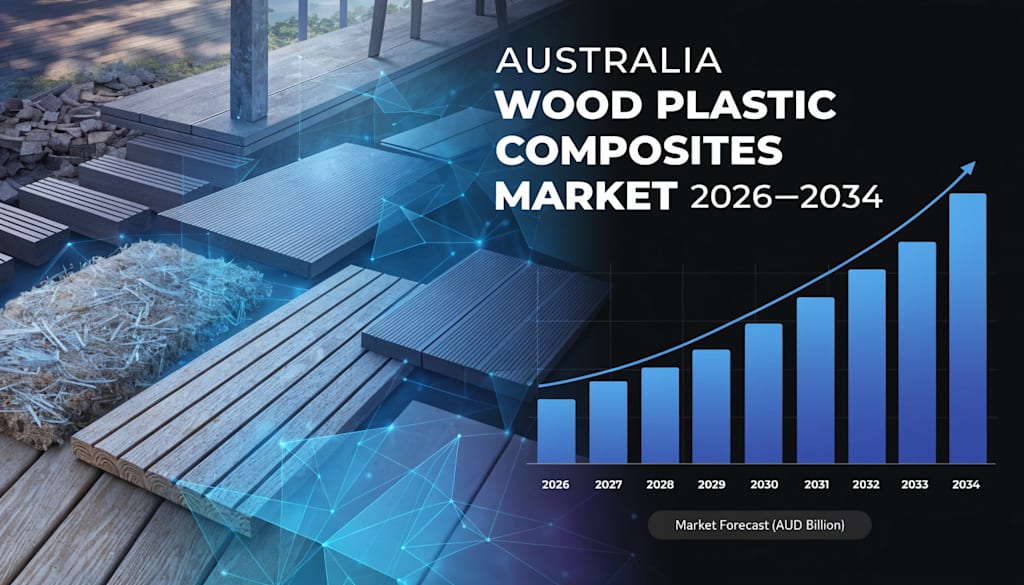
The Australia wood plastic composites (WPC) market is gaining strong momentum as sustainability and innovation reshape the construction and manufacturing landscape. According to IMARC Group, the market reached USD 132.8 Million in 2025 and is projected to grow to USD 273.7 Million by 2034, expanding at a CAGR of 8.37% during 2026–2034.
This growth reflects a broader shift toward environmentally friendly materials that offer durability, low maintenance, and cost efficiency. Wood plastic composites, made from a blend of wood fibers and thermoplastics, are increasingly replacing traditional wood in various applications due to their resistance to moisture, rot, and insects.
The market is segmented into:
By Type:
• Polyethylene
• Polyvinyl Chloride
• Polypropylene
• Others
By Application:
• Building and Construction
• Automotive Components
• Industrial and Consumer Goods
By End Use:
• Residential
• Commercial
With building and construction leading demand, WPC materials are becoming a preferred choice for decking, fencing, cladding, and outdoor furniture.
Request a Business Sample Report for Procurement & Investment Evaluation:
Why the Market Is Growing So Rapidly
A major driver of the Australia wood plastic composites market is the increasing demand for sustainable construction materials. As environmental concerns grow, builders and developers are actively seeking alternatives to traditional timber. WPC offers a compelling solution by utilizing recycled materials while reducing dependence on natural wood resources.
Durability and low maintenance are also key factors fueling adoption. Unlike conventional wood, WPC does not require frequent painting, sealing, or treatment. Its resistance to moisture, UV radiation, and pests makes it ideal for outdoor applications, particularly in Australia’s diverse climate conditions.
Urbanization and infrastructure development are further accelerating market growth. Rising residential and commercial construction activities are driving demand for cost-effective and long-lasting materials. WPC’s versatility and ease of installation make it an attractive option for modern building projects.
Technological advancements in manufacturing processes are improving product quality and expanding application areas. Enhanced formulations are enabling better strength, aesthetics, and performance, making WPC suitable for both structural and decorative uses.
Additionally, growing consumer awareness about eco-friendly products is influencing purchasing decisions. Homeowners and businesses are increasingly prioritizing sustainable materials, further boosting demand for wood plastic composites.
What the Opportunities Are
1. Green Building Projects: Increasing focus on sustainable construction creates strong demand for WPC materials.
2. Outdoor Applications Growth: Decking, fencing, and landscaping solutions offer high-growth opportunities.
3. Recycled Material Innovation: Advancements in recycling technologies can enhance product sustainability and reduce costs.
4. Commercial Infrastructure Expansion: Offices, retail spaces, and public infrastructure projects present significant opportunities.
5. Customization and Design: Aesthetic flexibility allows manufacturers to target premium and design-focused segments.
6. Automotive Applications: Lightweight and durable WPC components can gain traction in automotive manufacturing.
7. Export Potential: Growing global demand for sustainable materials opens opportunities for international expansion.
Recent News & Developments in Australia Wood Plastic Composites Market
• March 2025: The Australian government introduced updated sustainability guidelines for construction materials, encouraging the use of recycled and eco-friendly products such as wood plastic composites. The initiative aims to reduce carbon emissions and promote circular economy practices. This policy is expected to accelerate WPC adoption across residential and commercial projects.
• July 2025: A leading construction materials company announced the expansion of its WPC manufacturing facility in Australia to meet rising demand. The investment focuses on increasing production capacity and enhancing product quality. This move reflects growing confidence in the long-term growth of the sustainable materials market.
• October 2025: Industry data revealed a steady increase in the adoption of WPC materials in residential and commercial construction projects. Builders are increasingly opting for WPC due to its durability and low maintenance benefits. This trend highlights the material’s growing importance in modern construction practices.
Why Should You Know About Australia Wood Plastic Composites Market?
The Australia wood plastic composites market represents a key shift toward sustainable and high-performance construction materials. For investors, it offers strong growth potential driven by environmental trends and infrastructure development.
For businesses, the market provides opportunities to innovate with eco-friendly materials that meet evolving consumer and regulatory demands. Companies that focus on durability, design, and sustainability are well-positioned to gain a competitive edge.
For policymakers, promoting materials like WPC supports environmental goals, reduces waste, and encourages sustainable development.
As Australia continues to prioritize sustainability and modern infrastructure, wood plastic composites are set to play a crucial role—making this market an important space to watch in the coming years.
About the Creator
Rashi Sharma
I am a market researcher.
Enjoyed the story? Support the Creator.
Subscribe for free to receive all their stories in your feed.
Comments
There are no comments for this story
Be the first to respond and start the conversation.