
Australia Snack Bar Market Is Evolving as Consumers Choose Healthier On-the-Go Nutrition
Busy lifestyles, rising health awareness, and demand for convenient food options are driving steady growth in Australia’s snack bar industry.

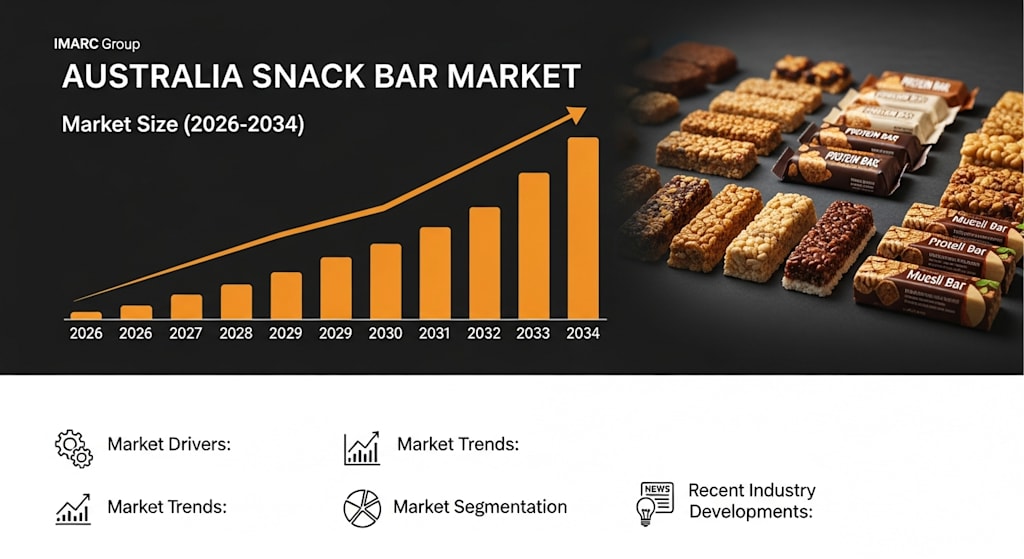
Australia’s eating habits are changing. As modern lifestyles become increasingly fast-paced, consumers are looking for food products that offer convenience without compromising on nutrition. This shift has transformed snack bars from occasional treats into everyday staples for millions of Australians seeking quick, portable, and healthier snacking solutions.
From protein-packed fitness bars and energy bars to cereal-based and functional nutrition products, snack bars have become a preferred choice among working professionals, students, athletes, and health-conscious consumers. Their ability to combine convenience, taste, and nutritional value is helping fuel steady growth across the market.
According to IMARC Group, the Australia snack bar market was valued at USD 587.3 Million in 2025. Looking ahead, the market is projected to reach USD 871.3 Million by 2034, growing at a CAGR of 4.32% during 2026–2034.
The growth reflects broader changes in consumer behavior. Australians are becoming more focused on wellness, balanced diets, and functional foods that support active lifestyles. At the same time, manufacturers are responding with innovative products featuring high-protein formulations, natural ingredients, reduced sugar content, and clean-label positioning.
Request a Business Sample Report for Procurement & Investment Evaluation:
Market segmentation includes:
Product Type:
• Energy Bars
• Protein Bars
• Cereal Bars
• Others
Distribution Channel:
• Supermarkets and Hypermarkets
• Convenience Stores
• Specialty Stores
• Online Retail
• Others
Region:
• New South Wales
• Victoria
• Queensland
• South Australia
• Western Australia
• Others
Why the Market Is Growing So Rapidly
One of the primary growth drivers is the increasing demand for convenient nutrition. Consumers are balancing busy work schedules, family responsibilities, and active lifestyles, creating a need for portable food options that can be consumed anytime and anywhere. Snack bars offer a practical solution while providing nutritional benefits that traditional snacks often lack.
Health and wellness trends are also reshaping purchasing decisions. Many consumers are actively reducing their consumption of highly processed foods and seeking products made with natural ingredients, whole grains, nuts, seeds, and plant-based proteins. This growing focus on healthier eating habits is encouraging snack bar manufacturers to reformulate products and introduce better-for-you alternatives.
The fitness and sports nutrition segment continues to contribute significantly to market growth. Protein bars have become increasingly popular among gym-goers, athletes, and consumers seeking convenient ways to support muscle recovery and daily protein intake. As awareness of fitness and preventive health increases, demand for functional snack bars is expected to remain strong.
Innovation is another important factor driving market expansion. Manufacturers are introducing products tailored to specific dietary preferences, including vegan, gluten-free, organic, keto-friendly, and low-sugar options. This diversification is helping brands appeal to a broader customer base while addressing evolving nutritional needs.
The rise of online retail channels is further supporting market development. Digital platforms provide consumers with access to a wider variety of products and brands while enabling manufacturers to engage directly with customers. Subscription services and direct-to-consumer models are also gaining popularity among regular snack bar users.
What the Opportunities Are
1. Functional Nutrition Products
Consumers increasingly want snacks that provide additional health benefits beyond basic nutrition. Products enriched with protein, fiber, probiotics, vitamins, and minerals present significant growth opportunities for manufacturers.
2. Plant-Based Innovation
The growing popularity of plant-based diets is creating demand for vegan and vegetarian snack bars made with alternative protein sources such as pea protein, nuts, seeds, and legumes.
3. Premium Clean-Label Brands
Consumers are willing to pay more for products featuring transparent ingredient lists, minimal processing, and natural formulations. Premium positioning can help brands strengthen customer loyalty and profitability.
4. Sports and Fitness Nutrition
The continued expansion of Australia’s fitness industry provides opportunities for protein bars and performance-focused snack products designed to support active lifestyles and wellness goals.
5. E-Commerce Expansion
Online sales channels allow brands to reach consumers across Australia while offering personalized recommendations, subscription services, and targeted marketing campaigns.
6. Sustainable Packaging Solutions
Environmentally conscious consumers increasingly favor brands that adopt recyclable, compostable, or reduced-waste packaging. Sustainability initiatives can enhance brand reputation and market differentiation.
7. Targeted Consumer Segments
Products designed for children, seniors, busy professionals, and specific dietary requirements can help companies address niche markets and create new revenue streams.
• February 2025: Australian food authorities continued promoting healthier food consumption initiatives aimed at reducing sugar intake and encouraging balanced nutrition. Industry participants responded by expanding low-sugar and high-protein snack bar offerings to align with evolving consumer preferences. The trend contributed to increased innovation across the category.
• June 2025: Several leading food manufacturers introduced new snack bar products featuring plant-based proteins, whole-food ingredients, and functional nutrition benefits. Product launches focused on meeting growing demand for convenient yet health-conscious snacking options. Retailers reported strong consumer interest in premium and clean-label products.
• September 2025: Major supermarket chains and online retailers expanded their healthy snacking portfolios as consumer demand continued to rise. Industry analysts observed increasing shelf space dedicated to protein bars, energy bars, and wellness-oriented snack products. The development highlighted the growing importance of snack bars within Australia’s broader packaged food market.
Why Should You Know About Australia Snack Bar Market?
The Australia snack bar market reflects some of the most important trends shaping the future of food consumption: convenience, health, personalization, and functionality. Consumers are no longer looking for snacks that simply satisfy hunger. They want products that support wellness goals, fit busy lifestyles, and align with evolving dietary preferences.
For investors, the market offers exposure to a stable and growing segment of the food industry. For manufacturers, opportunities exist in product innovation, premiumization, and functional nutrition. For retailers, expanding demand for healthier snack options presents significant merchandising and growth potential.
With the market expected to grow from USD 587.3 Million in 2025 to USD 871.3 Million by 2034, Australia’s snack bar industry is well positioned to benefit from changing consumer behaviors and the ongoing shift toward healthier, more convenient eating habits. As innovation continues to reshape the category, snack bars are likely to remain a key part of Australia’s modern food landscape for years to come.
About the Creator
Rashi Sharma
I am a market researcher.
Enjoyed the story? Support the Creator.
Subscribe for free to receive all their stories in your feed.
Comments
There are no comments for this story
Be the first to respond and start the conversation.