
Australia Personal Protective Equipment Market: Safety, Innovation, and Industrial Growth Driving Demand
From strict regulations to smart PPE adoption, Australia’s safety gear industry is entering a high-growth phase

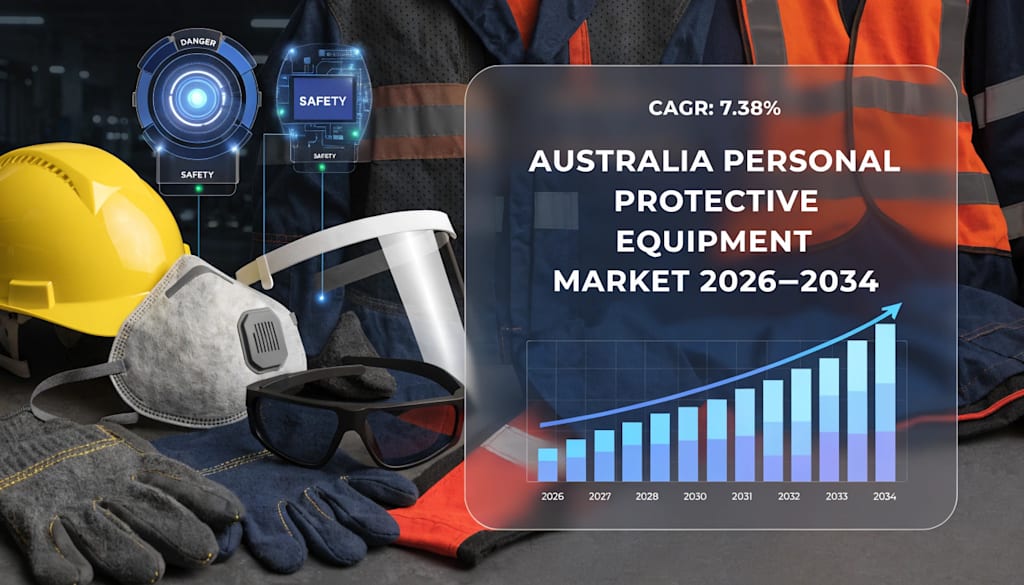
The Australia personal protective equipment (PPE) market is witnessing robust expansion, fueled by regulatory pressure, industrial growth, and a lasting shift in workplace safety culture. According to IMARC Group, the market reached a value of USD 1,747.4 million in 2025 and is projected to grow significantly to USD 3,317.1 million by 2034, at a CAGR of 7.38% during 2026–2034.
This strong growth trajectory highlights how PPE has evolved from a compliance requirement into a strategic necessity. Across industries—from mining and construction to healthcare and manufacturing—organizations are prioritizing worker safety, operational continuity, and regulatory compliance. PPE is no longer just protective gear; it is now a cornerstone of risk management and productivity.
Australia’s economic structure further amplifies this demand. With heavy reliance on high-risk industries such as mining and infrastructure development, the need for reliable and advanced protective equipment continues to surge. Combined with post-pandemic safety awareness and technological innovation, the PPE market is entering a new phase of sustained expansion.
Evaluate Market Potential Before You Invest – Get the Report Sample
Why the Market Is Growing So Rapidly
A primary driver of the PPE market in Australia is the country’s stringent health and safety regulations. Regulatory bodies such as Safe Work Australia mandate that employers provide appropriate protective equipment tailored to specific workplace hazards. This legal obligation has created consistent and non-negotiable demand across industries, ensuring steady market growth.
The expansion of high-risk industries is another major growth catalyst. Sectors like mining, construction, and manufacturing require extensive use of PPE due to hazardous working conditions. For instance, Australia’s mining sector alone contributed 13.7% to GDP in 2024, generating massive economic output and necessitating large-scale deployment of safety equipment.
Workplace safety awareness has also undergone a cultural shift. Employers and employees are increasingly proactive about reducing occupational risks, leading to widespread adoption of PPE. National strategies focused on improving safety standards, data collection, and compliance are reinforcing this trend and embedding safety into organizational culture.
Technological advancements are redefining the PPE landscape. The emergence of smart PPE—featuring IoT sensors, real-time monitoring, and advanced materials—is enhancing both safety and efficiency. These innovations allow companies to monitor worker health, environmental conditions, and equipment performance, making PPE a data-driven asset rather than just protective gear.
Finally, the long-term impact of COVID-19 has permanently elevated hygiene and safety standards. Organizations across all sectors—not just healthcare—have adopted stricter safety protocols, increasing demand for respiratory protection, protective clothing, and sanitization-related equipment. This shift has created a new baseline for PPE usage, ensuring sustained demand well into the future.
What the Opportunities Are
The evolving PPE market in Australia presents several compelling opportunities for businesses and investors:
• Smart PPE Development: Companies can capitalize on the growing demand for connected safety gear, including wearable sensors and AI-driven monitoring systems that enhance workplace safety.
• Industry-Specific Customization: Tailored PPE solutions for sectors like mining, healthcare, and construction can command premium pricing and improve user adoption.
• Domestic Manufacturing Expansion: Strengthening local production capabilities can reduce reliance on imports and create resilience in supply chains.
• Sustainability Innovation: Eco-friendly materials and recyclable PPE products are gaining traction, aligning with corporate sustainability goals and regulatory expectations.
• Infrastructure Boom Leverage: Government-backed infrastructure and industrial projects provide long-term contracts and steady demand for PPE suppliers.
• Healthcare Sector Growth: Continued investment in healthcare infrastructure and preparedness ensures ongoing demand for medical-grade protective equipment.
• Training and Compliance Services: Offering integrated solutions that combine PPE supply with safety training and compliance management can create additional revenue streams.
Recent News & Developments in Australia Personal Protective Equipment Market
• February 2025: The Australian government strengthened workplace safety compliance frameworks, introducing stricter enforcement measures for PPE usage across high-risk industries. These updates emphasize accountability for employers and aim to reduce workplace injuries nationwide. The move is expected to further boost PPE adoption across construction, mining, and manufacturing sectors.
• June 2025: A leading PPE manufacturer announced a major expansion of its operations in Australia, investing heavily in smart PPE technologies and local production facilities. The expansion includes advanced manufacturing lines for respiratory protection and wearable safety devices. This reflects growing confidence in domestic demand and innovation-driven growth.
• September 2025: Industry data indicated a sharp rise in PPE adoption across non-traditional sectors such as logistics and retail. Companies reported increased spending on protective gear and safety infrastructure, driven by evolving workplace standards. This trend highlights the widening scope of PPE usage beyond conventional industrial applications.
Why Should You Know About Australia Personal Protective Equipment Market?
The Australia PPE market is more than just a safety-driven industry—it is a reflection of how economies evolve to prioritize human capital and operational resilience. With strong regulatory backing, technological innovation, and expanding industrial demand, the sector offers consistent growth and long-term stability.
For businesses, it presents opportunities to innovate and differentiate through technology and sustainability. For investors, it offers a resilient market supported by essential demand. And for policymakers and industry leaders, it underscores the critical role of safety in building a productive and future-ready workforce.
About the Creator
Rashi Sharma
I am a market researcher.
Enjoyed the story? Support the Creator.
Subscribe for free to receive all their stories in your feed.
Comments
There are no comments for this story
Be the first to respond and start the conversation.