
Australia Laminated Flooring Market: Transforming Interiors with Style, Durability, and Affordability
Rising home renovations, sustainable materials, and modern design preferences are driving steady growth in Australia’s laminate flooring industry

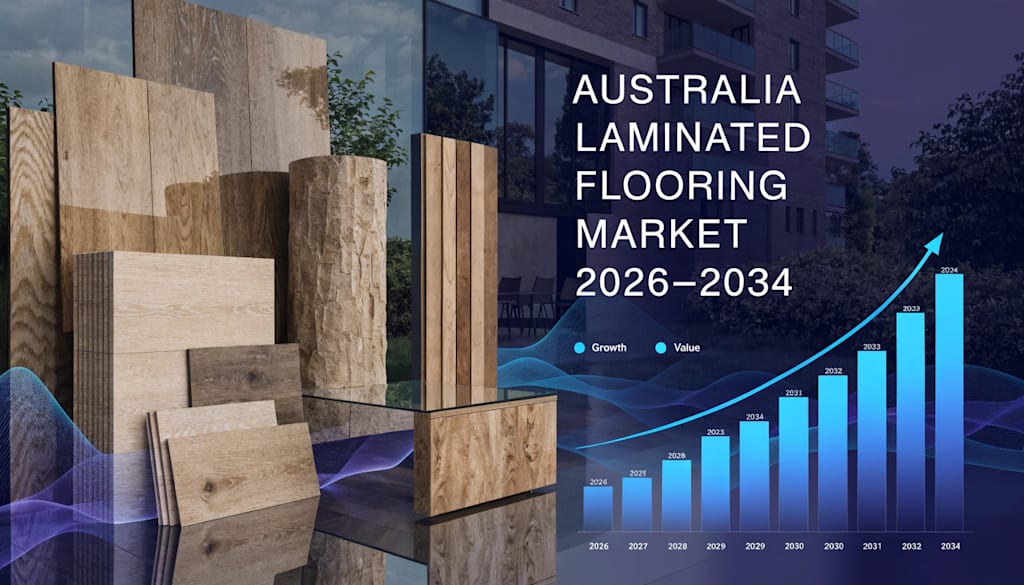
The Australia laminated flooring market is steadily expanding as consumers increasingly prioritize stylish, durable, and cost-effective interior solutions. According to IMARC Group, the market reached a size of 22.72 million square metres in 2025 and is projected to grow to 27.93 million square metres by 2034, exhibiting a CAGR of 2.32% during 2026–2034.
This growth reflects a broader shift in Australia’s construction and home improvement landscape. Laminated flooring has evolved from a budget alternative to a preferred choice for both residential and commercial applications. Its ability to replicate natural wood aesthetics while offering durability and low maintenance makes it highly appealing in modern interiors.
The market is benefiting from rising urbanization, increased renovation activity, and a growing emphasis on design-driven living spaces. As homeowners and developers seek practical yet visually appealing flooring solutions, laminate products are gaining traction across apartments, suburban homes, and commercial properties.
Request a Business Sample Report for Procurement & Investment Evaluation:
Segmentation Categories (IMARC):
• Product Type: High-Density Fiberboard Laminated Flooring, Medium-Density Fiberboard Laminated Flooring
• Distribution Channel: Offline Stores, Online Stores
• End User: Residential, Commercial
• Region: Australia Capital Territory & New South Wales, Victoria & Tasmania, Queensland, Northern Territory & Southern Australia, Western Australia
Why the Market Is Growing So Rapidly
One of the most significant growth drivers is the surge in home renovation activity across Australia. With an aging housing stock and evolving lifestyle preferences, homeowners are investing heavily in upgrading interiors. Laminated flooring offers an ideal solution due to its affordability, quick installation, and modern aesthetic appeal, making it a preferred choice for renovation projects.
Another key factor is the growing demand for cost-effective materials. Compared to traditional hardwood or engineered flooring, laminate provides a similar visual appeal at a fraction of the cost. This makes it especially attractive to budget-conscious consumers and large-scale developers aiming to optimize construction costs without compromising on design.
Technological advancements are also reshaping the market. Innovations such as moisture-resistant cores, scratch-resistant surfaces, and advanced locking systems are improving product performance and durability. These enhancements allow laminate flooring to be used in a wider range of environments, including kitchens and high-traffic commercial spaces.
The increasing focus on sustainability is another important driver. Consumers are showing a growing preference for eco-friendly materials made from responsibly sourced wood fibers and low-emission components. Laminated flooring aligns well with green building standards, making it an attractive option for environmentally conscious buyers.
Urbanization is further supporting market growth. With over 86% of Australia’s population living in urban areas, demand for compact, modern housing is rising. Laminated flooring fits perfectly into these spaces, offering versatility, durability, and contemporary design options that suit modern urban lifestyles.
What the Opportunities Are
The Australia laminated flooring market presents several strategic opportunities:
• Premium Design Innovations: Advanced printing and embossing technologies enable highly realistic wood and stone finishes, creating opportunities for premium product offerings.
• Water-Resistant Product Development: Growing demand for moisture-resistant flooring in kitchens and living spaces opens new avenues for innovation and differentiation.
• DIY Installation Market Growth: Click-lock systems and easy installation features are attracting DIY consumers, expanding the residential segment.
• Sustainable Flooring Solutions: Eco-friendly laminates with recyclable materials and low VOC emissions align with green building trends and regulatory requirements.
• Expansion in Residential Projects: With the residential segment holding around 65% market share, developers can leverage laminate flooring for cost-efficient housing projects.
• Retail and Showroom Experience Enhancement: Offline stores dominate with 70% share, offering opportunities to improve customer experience through in-store visualization and bundled installation services.
• Growth in Urban Housing Developments: Increasing construction of apartments and affordable housing is driving demand for durable and visually appealing flooring solutions.
Recent News & Developments in Australia Laminated Flooring Market
• October 2025: The Australian government announced an investment of over USD 7 million in urban development projects in Melbourne, including the Greenline Project and urban innovation initiatives. These developments aim to enhance public infrastructure and housing quality, indirectly boosting demand for modern construction materials such as laminated flooring.
• November 2025: The launch of the National Housing Modernisation Scheme focused on upgrading aging social housing across Australia. The initiative includes improvements in energy efficiency and interior design, creating significant demand for cost-effective and durable flooring solutions like laminate.
• November 2025: Market data highlighted strong growth in residential construction, particularly in Queensland, where plans to build 53,500 social and affordable homes were announced. This large-scale housing expansion is expected to drive sustained demand for laminated flooring in new residential developments.
Why Should You Know About Australia Laminated Flooring Market?
The Australia laminated flooring market represents a practical blend of affordability, innovation, and design evolution. It reflects how modern consumers are redefining interior spaces—prioritizing aesthetics, durability, and sustainability without overspending.
For businesses and investors, the market offers steady, reliable growth backed by housing development and renovation trends. For manufacturers, it presents opportunities to innovate in materials, design, and installation technologies. And for consumers, it provides accessible solutions that combine style with functionality.
Understanding this market means understanding the future of interior design in Australia—where smart materials, efficient construction, and evolving consumer preferences are shaping the spaces people live and work in every day.
About the Creator
Rashi Sharma
I am a market researcher.
Enjoyed the story? Support the Creator.
Subscribe for free to receive all their stories in your feed.
Comments
There are no comments for this story
Be the first to respond and start the conversation.