
Australia Co-Working Office Space Market Surges as Hybrid Work Redefines Commercial Real Estate
Flexible work culture, startup expansion, and demand for collaborative office environments are accelerating growth across Australia’s co-working sector.

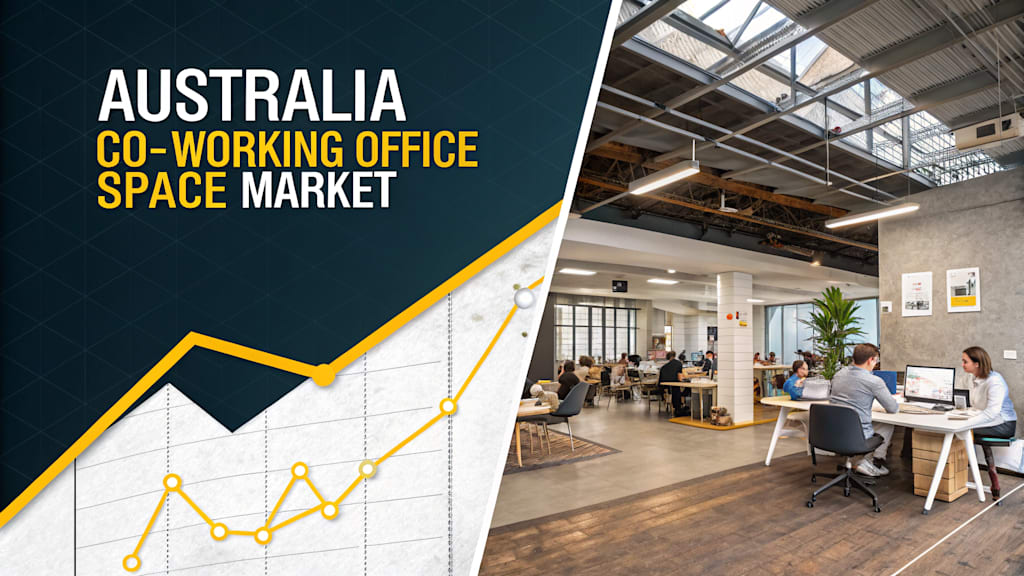
Australia’s commercial real estate landscape is undergoing a major transformation as flexible workspaces become increasingly central to how businesses operate. Driven by hybrid work adoption, startup activity, and changing corporate workplace strategies, the country’s co-working office space market is experiencing rapid expansion across major urban centers. According to IMARC Group, the Australia co-working office space market reached USD 194.2 Million in 2025 and is projected to reach USD 736.1 Million by 2034, growing at a remarkable CAGR of 15.96% during 2026–2034.
The market’s strong growth reflects a broader shift in workplace culture. Traditional long-term office leases are increasingly being replaced by flexible workspace solutions that offer scalability, lower operational costs, and enhanced collaboration opportunities. Businesses ranging from startups and freelancers to multinational corporations are embracing co-working environments to support agile operations and distributed workforces.
Australia’s major cities, including Sydney, Melbourne, Brisbane, and Perth, are witnessing significant growth in premium co-working hubs featuring advanced digital infrastructure, wellness-focused designs, and community-driven work environments. Operators are evolving beyond basic office rentals by offering networking opportunities, event spaces, innovation labs, and enterprise-grade business services.
Request a Business Sample Report for Procurement & Investment Evaluation:
According to IMARC, the market is segmented into several major categories:
• By Business Model: Open Workspaces, Corporate Co-Working, Industry-Specific Spaces, Others
• By End User: Personal Users, Small Scale Companies, Large Scale Companies, Others
• By Application: IT and Telecom, BFSI, Media and Entertainment, Retail and Consumer Goods, Others
• By Region: New South Wales, Victoria, Queensland, Western Australia, South Australia, Others
The increasing demand for workplace flexibility, employee wellbeing, and cost-efficient office models continues to reshape Australia’s commercial property ecosystem.
Why the Market Is Growing So Rapidly
One of the biggest growth drivers is the widespread adoption of hybrid work models. Businesses across Australia are increasingly allowing employees to split time between remote and physical workplaces, reducing the need for large permanent office footprints. Co-working spaces provide flexible solutions that accommodate changing workforce requirements without the financial burden of traditional commercial leases.
The startup ecosystem is also playing a major role in market expansion. Australia’s growing entrepreneurial and technology sectors are creating strong demand for affordable, scalable office environments that encourage networking and collaboration. Startups often prefer co-working spaces because they offer lower upfront costs, shared amenities, and access to professional communities that support business growth.
Corporate adoption of flexible workspaces is accelerating as well. Large enterprises are increasingly using co-working hubs for satellite offices, project teams, and regional workforce expansion. This allows organizations to improve operational agility while offering employees more convenient and flexible workplace options closer to residential areas.
Another major catalyst is the increasing focus on employee experience and workplace wellness. Modern co-working environments emphasize design, natural lighting, wellness amenities, community events, and collaborative spaces that improve productivity and employee satisfaction. Companies are recognizing that flexible and engaging work environments can support talent retention and organizational culture.
Technology integration is further strengthening the market. Smart office systems, high-speed connectivity, cloud collaboration tools, and app-based workspace management are improving operational efficiency and user experience. Many co-working providers are leveraging digital platforms to offer seamless booking, access control, and community engagement services.
What the Opportunities Are
1. Expansion into Regional Cities
Co-working operators have significant opportunities to expand beyond major metropolitan hubs into growing regional business centers across Australia.
2. Enterprise-Focused Flexible Offices
Corporate demand for customized co-working environments and managed office solutions continues to create high-value business opportunities.
3. Industry-Specific Co-Working Spaces
Specialized hubs targeting sectors such as technology, creative industries, healthcare, and finance can attract niche professional communities.
4. Integration of Wellness and Lifestyle Services
Operators incorporating fitness areas, wellness programs, cafés, and networking events can enhance customer retention and brand differentiation.
5. Growth of Remote Workforce Infrastructure
As distributed workforces expand, flexible office providers can serve employees seeking professional workspaces closer to residential locations.
6. Smart Office Technology Solutions
Digital workplace management systems, AI-enabled office analytics, and automated workspace services offer new operational efficiencies.
7. Sustainable and Green Workspaces
Environmentally responsible office designs and energy-efficient infrastructure are becoming increasingly attractive to sustainability-focused businesses.
Recent News & Developments in Australia Co-Working Office Space Market
• February 2025: Australian commercial property stakeholders continued expanding investments in flexible workspace infrastructure as hybrid work adoption strengthened nationwide. Several major urban development projects incorporated co-working facilities designed to support startups, remote professionals, and enterprise clients. Industry participants highlighted increasing tenant demand for flexible lease structures and community-focused office environments.
• June 2025: Multiple co-working operators announced expansion strategies across Sydney, Melbourne, and Brisbane to address rising occupancy levels and growing corporate demand. Providers introduced upgraded digital workplace systems, wellness-oriented office designs, and premium collaboration spaces aimed at enhancing user experience. Market analysts observed stronger participation from large enterprises adopting flexible workspace models for distributed teams.
• September 2025: Australia’s co-working office sector reported continued growth in membership activity driven by startup formation, freelance employment, and hybrid workforce expansion. Industry leaders highlighted increasing demand for regional co-working hubs and technology-enabled office solutions supporting remote collaboration. The market also saw rising investor interest in flexible commercial real estate assets with long-term growth potential.
Why Should You Know About Australia Co-Working Office Space Market?
The Australia co-working office space market represents one of the clearest examples of how workplace culture and commercial real estate are evolving in the digital economy. Flexible work environments are no longer niche alternatives — they are becoming central components of modern business infrastructure.
For investors, the sector offers high-growth potential supported by long-term workplace transformation trends and increasing enterprise adoption. For businesses, co-working spaces provide cost-efficient flexibility, employee convenience, and access to collaborative ecosystems that foster innovation. For policymakers and urban planners, the rise of flexible workspaces highlights the importance of adaptive commercial infrastructure and future-ready city development.
As hybrid work becomes a permanent feature of professional life and organizations continue prioritizing agility and employee experience, Australia’s co-working office space market is positioned for substantial expansion throughout the coming decade.
About the Creator
Rashi Sharma
I am a market researcher.
Enjoyed the story? Support the Creator.
Subscribe for free to receive all their stories in your feed.
Comments
There are no comments for this story
Be the first to respond and start the conversation.