
Australia Co-Working Office Space Market Is Booming as Flexible Work Redefines the Future of Business
The rise of hybrid work models, startup culture, and demand for flexible office solutions is accelerating growth across Australia’s co-working office space industry.

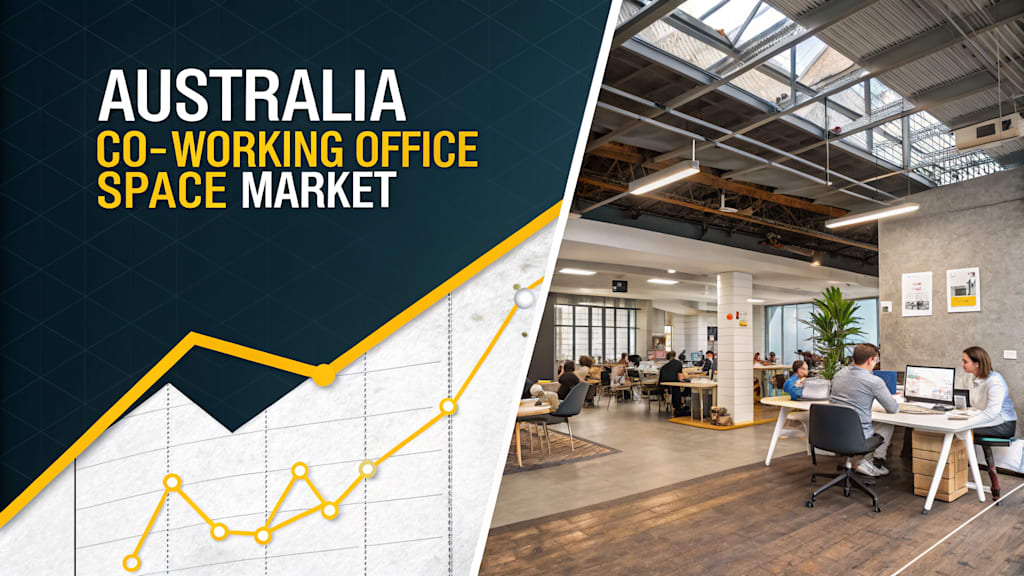
The traditional office is undergoing one of the most significant transformations in modern business history. Across Australia, companies are rethinking how and where employees work, driven by changing workforce expectations, digital connectivity, and the growing popularity of hybrid work arrangements. At the center of this transformation is the rapidly expanding co-working office space market.
Once viewed primarily as a solution for freelancers and startups, co-working spaces have evolved into sophisticated business environments that serve enterprises, remote workers, entrepreneurs, consultants, and growing companies. These flexible workspaces provide access to professional infrastructure, networking opportunities, and scalable office solutions without the long-term commitments associated with conventional commercial leases.
According to IMARC Group, the Australia co-working office space market reached USD 194.2 Million in 2025. Looking ahead, the market is expected to grow significantly and reach USD 736.1 Million by 2034, exhibiting a CAGR of 15.96% during 2026–2034.
This impressive growth trajectory reflects a fundamental shift in workplace strategy. Organizations increasingly value flexibility, cost efficiency, and employee-centric work environments. As businesses adapt to evolving workforce dynamics, co-working spaces are becoming an essential component of Australia's commercial real estate landscape.
Evaluate Market Opportunity with the Business Sample Report:
Market segmentation includes:
Space Type:
• Open Co-Working Spaces
• Private Offices
• Meeting Rooms
• Virtual Offices
• Others
Business Model:
• Membership-Based
• Pay-As-You-Go
End User:
• Freelancers
• Startups
• Small and Medium Enterprises
• Large Enterprises
• Remote Workers
• Others
Industry Vertical:
• Information Technology
• Financial Services
• Media and Entertainment
• Professional Services
• Healthcare
• Others
Region:
• New South Wales
• Victoria
• Queensland
• South Australia
• Western Australia
• Others
Why the Market Is Growing So Rapidly
One of the most important drivers behind market expansion is the widespread adoption of hybrid work models. Businesses increasingly recognize that employees value flexibility in where and how they work. Co-working spaces provide an attractive middle ground between fully remote arrangements and traditional office environments, enabling organizations to maintain collaboration while offering greater workplace flexibility.
The growing startup ecosystem across Australia is another major growth catalyst. Entrepreneurs and emerging businesses often require professional office facilities without the financial burden of long-term leases and significant upfront investments. Co-working spaces offer affordable access to office infrastructure, meeting rooms, networking opportunities, and business support services, making them particularly attractive for young companies.
Cost optimization is becoming increasingly important for organizations of all sizes. Traditional office leases often involve substantial expenses related to rent, maintenance, utilities, furnishings, and facility management. Co-working spaces allow businesses to scale operations more efficiently by paying only for the space and services they require, improving operational flexibility and financial efficiency.
The rise of remote and distributed workforces is further accelerating demand. Many employees now seek professional work environments outside the home, particularly those who value productivity, networking, and work-life separation. Co-working facilities provide access to high-speed internet, collaborative environments, and modern amenities that support professional performance.
Technological advancements are also strengthening the market. Smart office solutions, digital access systems, workplace management platforms, and integrated communication tools are enhancing the user experience while enabling operators to optimize space utilization and service delivery.
What the Opportunities Are
1. Hybrid Workforce Solutions
As organizations continue embracing hybrid work strategies, demand for flexible office memberships and distributed workplace solutions is expected to grow significantly. Operators that tailor services to hybrid teams can capture substantial market share.
2. Enterprise Co-Working Partnerships
Large corporations are increasingly incorporating co-working spaces into their real estate strategies. Providers that develop enterprise-focused offerings can benefit from long-term partnerships and recurring revenue streams.
3. Regional Market Expansion
While major metropolitan areas remain important growth centers, demand for flexible workspaces is expanding into regional cities and suburban locations. This trend creates opportunities for operators seeking untapped markets.
4. Technology-Enabled Workspaces
Smart office technologies, workplace analytics, and digital member services can enhance operational efficiency while improving user experiences. Investment in technology can create competitive advantages within the market.
5. Industry-Specific Co-Working Communities
Specialized co-working spaces designed for technology firms, creative professionals, healthcare providers, or financial services companies offer opportunities to build highly engaged professional communities.
6. Value-Added Business Services
Beyond office space, operators can generate additional revenue through business support services, networking events, mentorship programs, training workshops, and professional development initiatives.
7. Sustainable Office Environments
Businesses increasingly prioritize environmental responsibility. Co-working providers that implement sustainable building practices, energy-efficient operations, and green workplace initiatives can strengthen their market positioning.
Recent News & Developments in Australia Co-Working Office Space Market
• February 2025: Australian workplace and commercial property stakeholders reported increasing adoption of flexible office arrangements as businesses continued refining hybrid work strategies. Organizations across multiple sectors expanded their use of shared office facilities to improve workforce flexibility and optimize real estate costs.
• June 2025: Several co-working operators announced investments in new facilities and workspace upgrades across major Australian cities. The expansions focused on providing enhanced meeting spaces, technology-enabled work environments, and premium amenities designed to attract startups, remote workers, and corporate clients.
• September 2025: Market activity accelerated as businesses sought flexible workspace solutions capable of supporting evolving workforce requirements. Industry participants reported growing demand from both small enterprises and large corporations, reinforcing positive long-term growth expectations for the sector.
Why Should You Know About Australia Co-Working Office Space Market?
The co-working office space market represents one of the most significant shifts occurring within commercial real estate and workplace strategy. As businesses increasingly prioritize flexibility, collaboration, and employee well-being, traditional office models are giving way to more adaptable solutions.
For investors, the market offers exposure to a rapidly growing segment supported by long-term workplace transformation trends. For businesses, co-working spaces provide cost-effective access to professional infrastructure while supporting workforce flexibility and productivity. For property developers and operators, the market presents opportunities to create innovative work environments that meet changing customer needs.
With the Australia co-working office space market projected to grow from USD 194.2 Million in 2025 to USD 736.1 Million by 2034, the industry is positioned to become a key pillar of the future workplace ecosystem. As hybrid work continues to evolve and organizations seek greater agility, co-working spaces are expected to play an increasingly important role in shaping how Australians work, collaborate, and innovate.
About the Creator
Rashi Sharma
I am a market researcher.
Enjoyed the story? Support the Creator.
Subscribe for free to receive all their stories in your feed.
Comments
There are no comments for this story
Be the first to respond and start the conversation.