
Australia Anti-Microbial Fabrics Market Accelerates on Rising Hygiene Awareness and Healthcare Expansion
Growing demand for infection-control textiles in healthcare, hospitality, and aged care sectors is driving strong adoption of anti-microbial fabrics across Australia.

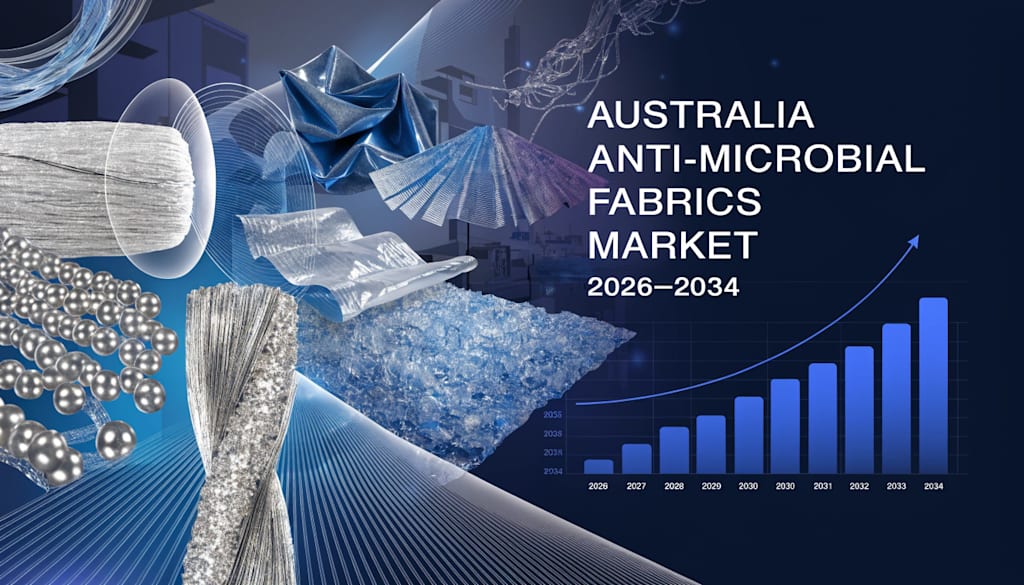
The Australia anti-microbial fabrics market is experiencing steady and structurally supported growth as hygiene, safety, and infection control become central priorities across multiple industries. According to IMARC Group, the Australia anti microbial fabrics market size reached USD 351.7 Million in 2025. Looking forward, IMARC Group expects the market to reach USD 643.1 Million by 2034, exhibiting a growth rate (CAGR) of 6.73% during 2026-2034.
Anti-microbial fabrics are specially treated or engineered textiles designed to inhibit the growth of bacteria, fungi, and other microorganisms. These fabrics are increasingly used in healthcare uniforms, hospital linens, hospitality furnishings, activewear, and aged care environments, where hygiene and contamination control are critical operational requirements.
In Australia, the market’s expansion reflects not just technological advancement in textile engineering, but also a broader societal shift toward preventive healthcare and cleanliness-focused consumption patterns.
Request a Business Sample Report for Procurement & Investment Evaluation:
Why the Market Is Growing So Rapidly
A major driver of growth is rising health awareness among consumers and institutions. People are increasingly prioritizing hygiene in everyday products, including clothing, bedding, and upholstery. This shift has accelerated demand for textiles that provide built-in protection against bacteria and odor-causing microbes. As highlighted in industry data, increasing concerns around infectious diseases and public health risks have made anti-microbial protection a desirable feature in both personal and institutional textiles.
The healthcare sector is another critical growth engine. Hospitals, clinics, and care facilities rely heavily on anti-microbial fabrics for bedding, surgical gowns, curtains, and uniforms. These environments require strict infection control protocols, and textiles with microbial resistance help reduce cross-contamination risks while maintaining operational hygiene standards.
The expansion of aged care facilities is also significantly contributing to market growth. Australia’s aging population is increasing demand for long-term care services, where residents are more vulnerable to infections. Anti-microbial fabrics are widely used in bedding, furniture coverings, and staff uniforms to ensure safer environments for elderly individuals with weaker immune systems.
The hospitality sector further reinforces demand. Hotels and resorts are investing in premium hygiene standards to enhance guest trust and satisfaction. Anti-microbial bedding, towels, and upholstery help maintain cleanliness across high-turnover environments while reducing dependency on intensive chemical cleaning cycles.
Finally, innovation in textile treatment technologies is supporting market expansion. Advances in silver-ion, copper-based, and bio-based antimicrobial coatings are improving durability, wash resistance, and environmental sustainability, making these fabrics more suitable for long-term commercial use.
What the Opportunities Are
The Australia anti-microbial fabrics market presents multiple high-growth opportunities across end-use industries and innovation pathways.
First, healthcare textile innovation remains a dominant opportunity. Hospitals are increasingly upgrading infection-control protocols, creating demand for next-generation fabrics used in surgical environments, patient care, and medical uniforms.
Second, aged care expansion offers long-term structural demand. With Australia’s elderly population rising, aged care providers are investing in safer, low-maintenance textile solutions that reduce infection risk and operational workload.
Third, hospitality industry modernization is creating opportunities for premium textile suppliers. Hotels are adopting anti-microbial bedding and furnishings as part of their hygiene branding strategy to enhance guest confidence.
Fourth, sportswear and activewear growth is opening consumer-driven opportunities. Fitness-focused consumers prefer odor-resistant, moisture-controlling fabrics, making anti-microbial treatment increasingly common in performance apparel.
Fifth, development of bio-based antimicrobial agents is emerging as a key innovation opportunity. Sustainable formulations using plant-based or eco-friendly compounds are gaining traction as environmental regulations tighten.
Sixth, home textile adoption is expanding steadily. Consumers are increasingly purchasing anti-microbial-treated curtains, bedsheets, and upholstery for improved household hygiene.
Finally, technical textiles for public infrastructure—such as transportation seating and public facility furnishings—represent an emerging application area driven by post-pandemic hygiene standards.
Recent News & Developments in Australia Anti-Microbial Fabrics Market
• February 2025: Australia strengthened infection-control standards across healthcare facilities, reinforcing stricter hygiene protocols for hospital textiles and patient-care environments. This regulatory push increased demand for certified anti-microbial fabrics in surgical gowns, bedding, and medical curtains. Healthcare operators are increasingly adopting advanced textile solutions to reduce hospital-acquired infection risks and comply with updated national health guidelines.
• May 2025: The hospitality industry in Australia recorded rising occupancy levels driven by tourism recovery, prompting hotels and resorts to upgrade textile hygiene standards. Many hospitality providers expanded procurement of anti-microbial bedding and upholstery to enhance guest safety perceptions. This shift reflects a broader industry trend toward premium hygiene branding as a competitive differentiator in high-end accommodation services.
• August 2025: Aged care facilities across Australia continued expanding capacity in response to the growing elderly population, leading to increased procurement of anti-microbial fabrics for residential care environments. These materials are being widely used in bedding, curtains, and staff uniforms to reduce infection transmission risks. The trend highlights the sector’s ongoing investment in safer and more efficient healthcare infrastructure solutions.
Why Should You Know About the Australia Anti-Microbial Fabrics Market?
The Australia anti-microbial fabrics market is more than a niche textile segment—it is a foundational component of modern hygiene infrastructure across healthcare, hospitality, and aging services. Its importance is increasing as infection prevention becomes a central priority in both public and private sectors.
For investors, the market offers stable, mid-to-long-term growth driven by structural demand in healthcare and demographic trends rather than short-term consumer cycles. The consistent expansion of aged care and medical infrastructure provides predictable demand visibility.
For manufacturers and textile innovators, the shift toward bio-based and high-performance antimicrobial treatments presents opportunities to differentiate through technology, sustainability, and regulatory compliance.
For policymakers and public health planners, anti-microbial textiles contribute to broader infection-control strategies, supporting safer hospitals, care homes, and public spaces.
Overall, the market represents a quiet but essential transformation in how textiles are engineered and used—moving from passive materials to active, protective systems that enhance safety, hygiene, and public health outcomes across Australia.
About the Creator
Rashi Sharma
I am a market researcher.
Enjoyed the story? Support the Creator.
Subscribe for free to receive all their stories in your feed.
Comments
There are no comments for this story
Be the first to respond and start the conversation.