
Australia Adult Diaper Market: Addressing Aging Needs with Dignity, Innovation, and Care
Rising elderly population, increasing awareness of incontinence, and product innovation are driving steady growth in Australia’s adult diaper market

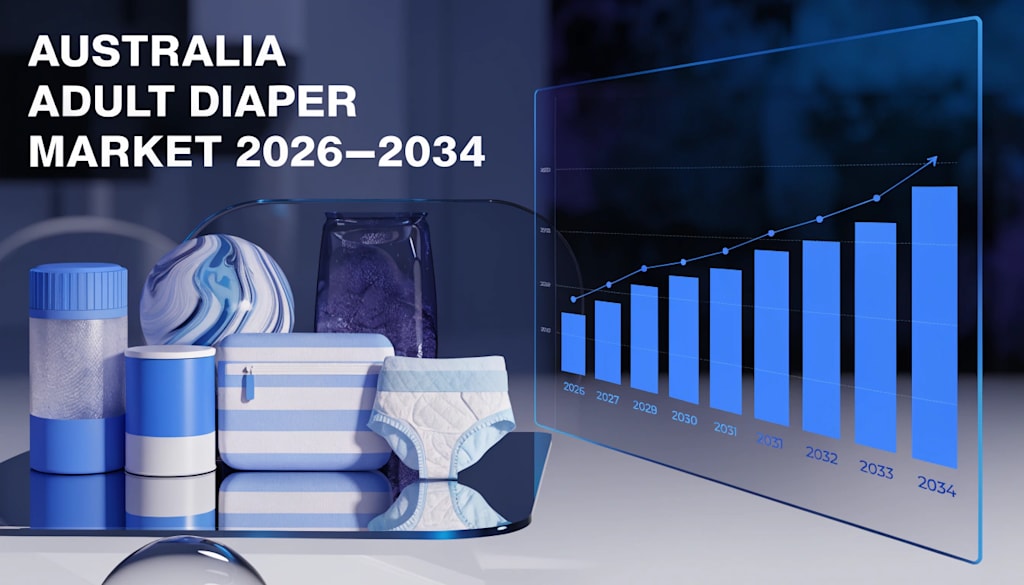
The Australia adult diaper market is steadily gaining momentum as demographic changes and healthcare awareness reshape consumer demand. According to IMARC Group, the market was valued at USD 611.54 million in 2025 and is projected to reach USD 972.50 million by 2034, growing at a CAGR of 5.29% during 2026–2034.
This growth reflects a broader shift in how society approaches aging, healthcare, and personal dignity. Adult diapers—once considered a sensitive or stigmatized product—are increasingly recognized as essential healthcare solutions that improve quality of life for individuals dealing with incontinence. From hospitals and aged care facilities to home care settings, these products are becoming integral to maintaining hygiene, comfort, and independence.
Australia’s evolving healthcare landscape, combined with rising life expectancy and increasing acceptance of incontinence products, is creating a stable and expanding market. As awareness improves and stigma declines, more individuals are proactively seeking solutions, transforming the category into a mainstream healthcare segment.
Request a Business Sample Report for Procurement & Investment Evaluation:
Segmentation Categories:
• Type: Adult Pad Type Diaper, Adult Flat Type Diaper, Adult Pant Type Diaper
• Distribution Channel: Pharmacies, Convenience Stores, Online Stores, Others
• Region: Australia Capital Territory & New South Wales, Victoria & Tasmania, Queensland, Northern Territory & Southern Australia, Western Australia
Why the Market Is Growing So Rapidly
A primary driver of the Australia adult diaper market is the country’s rapidly aging population. With life expectancy increasing and the proportion of people aged 65 and above rising steadily, the demand for incontinence management solutions is expanding. Age-related conditions such as reduced mobility and chronic illnesses are contributing to sustained product usage across healthcare and home settings.
Another significant factor is the increasing awareness and destigmatization of incontinence. Public health campaigns and education initiatives are encouraging open discussions, helping individuals seek appropriate solutions without hesitation. This cultural shift is expanding the addressable market and improving adoption rates across different age groups.
Healthcare infrastructure growth is also supporting market expansion. Hospitals, nursing homes, and aged care facilities are increasingly incorporating adult diapers as standard hygiene products. These institutions rely on high-quality incontinence solutions to maintain patient comfort and prevent infections, creating consistent demand.
Technological advancements in product design are further accelerating growth. Manufacturers are introducing thinner, more absorbent, and skin-friendly materials that enhance comfort and discretion. Modern designs closely resemble regular underwear, allowing users to maintain active lifestyles without compromising confidence.
Additionally, the rise of sustainability trends is influencing product innovation. Companies are developing eco-friendly diapers with biodegradable materials and reduced plastic content, aligning with consumer preferences and environmental goals. This shift is opening new avenues for product differentiation and market growth.
What the Opportunities Are
The Australia adult diaper market offers several strategic opportunities:
• Geriatric Care Expansion: Increasing elderly population creates long-term demand for incontinence products across healthcare and home care settings.
• Premium and Discreet Products: High demand for comfortable, underwear-like designs provides opportunities for premium product positioning.
• E-Commerce Growth: Online retail channels enable discreet purchasing and wider accessibility, especially for younger users or remote populations.
• Sustainable Product Innovation: Eco-friendly materials and biodegradable designs align with growing environmental awareness.
• Healthcare Partnerships: Collaborations with hospitals, clinics, and aged care facilities can ensure consistent institutional demand.
• Awareness and Education Campaigns: Initiatives that reduce stigma and improve understanding can significantly expand the customer base.
• Product Customization: Tailored solutions for different levels of incontinence (light to severe) can capture diverse user segments.
• April 2025: The Western Australian Government expanded its Continence Product Subsidy Scheme (CPSS), providing financial support for eligible residents to access adult incontinence products. This initiative improves affordability and accessibility, particularly for long-term users requiring continuous care. It also highlights the growing role of public policy in supporting healthcare product adoption.
• July 2025: A nationwide survey by Continence Health Australia revealed that over 7.2 million Australians experience incontinence annually, while awareness levels remain relatively low. This finding underscores the significant untapped market potential and the importance of education in driving adoption. It also reinforces the need for continued awareness campaigns and product innovation.
• October 2025: Essity introduced its TENA Stylish™ incontinence underwear, designed to offer high absorbency with a discreet, underwear-like appearance. The product emphasizes comfort, mobility, and dignity, reflecting a broader industry shift toward user-centric design. This launch highlights ongoing innovation aimed at improving user experience and acceptance.
Why Should You Know About Australia Adult Diaper Market?
The Australia adult diaper market is more than just a personal care segment—it represents a critical intersection of healthcare, aging, and quality of life. As societal attitudes evolve and healthcare systems expand, the market is becoming increasingly essential and opportunity-rich.
For businesses and investors, it offers stable growth supported by demographic trends and healthcare demand. For manufacturers, it presents opportunities to innovate in comfort, sustainability, and design. And for consumers, it delivers solutions that enhance dignity, independence, and well-being.
Understanding this market means understanding a fundamental shift in healthcare priorities—where aging populations are supported not just medically, but with products that promote confidence, comfort, and a better quality of life.
About the Creator
Rashi Sharma
I am a market researcher.
Enjoyed the story? Support the Creator.
Subscribe for free to receive all their stories in your feed.
Comments
There are no comments for this story
Be the first to respond and start the conversation.