
Argentina Organic Food Market Size Demand & Growth Forecast to 2034
The Argentina organic food market size reached USD 1.61 Billion in 2025. The market is projected to reach USD 4.14 Billion by 2034

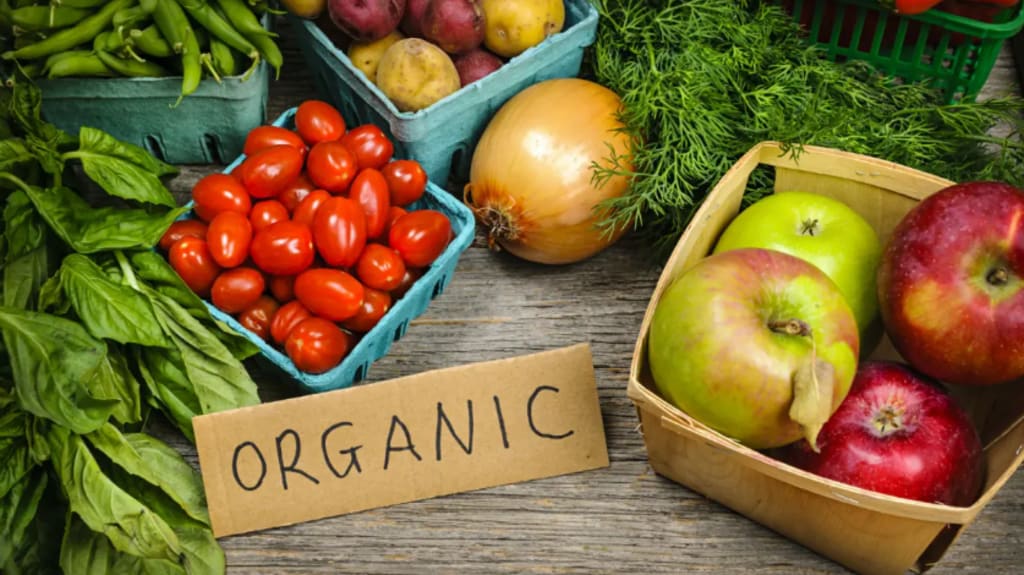
Argentina Organic Food Market Size, Share, and Growth Forecast (2026–2034)
The Argentina organic food market is experiencing strong expansion, supported by rising domestic consumption and export-oriented production. Valued at USD 1.61 billion in 2025, the market is projected to reach USD 4.14 billion by 2034, registering a CAGR of 9.90% during 2026–2034. This growth trajectory reflects a structural shift in consumer preferences toward clean-label, chemical-free, and nutritionally rich food products. Argentina’s well-established agricultural base, coupled with increasing certification of organic farmland, is strengthening its position as a key supplier in both domestic and international markets. For B2B stakeholders, the market offers scalable opportunities across sourcing, processing, packaging, and export distribution.
Request a Sample Report with Latest 2026 Data & Forecasts:
Argentina Organic Food Market Outlook: Demand Trends and Industry Evolution
Demand for organic food in Argentina is evolving beyond niche consumption to mainstream adoption. Urban consumers are increasingly prioritizing food safety, traceability, and sustainability, which is pushing retailers and distributors to expand their organic product portfolios. The industry is also witnessing diversification across categories such as organic dairy, grains, fruits, vegetables, and processed foods. Over time, the market has transitioned from small-scale farming to more organized production systems supported by certifications and export compliance. This evolution is enabling suppliers to meet stringent international standards, making Argentina a competitive player in global organic trade. For businesses, aligning with these evolving demand patterns is critical to capturing long-term value.
Argentina Organic Food Market Analysis: Key Drivers, Challenges, and Competitive Landscape
Several factors are driving the growth of the Argentina organic food market. Increasing health awareness among consumers is a primary catalyst, encouraging the shift toward pesticide-free and non-GMO products. Additionally, favorable climatic conditions and abundant arable land support large-scale organic farming. Export demand, particularly from North America and Europe, is also contributing significantly to market expansion.
However, the market faces notable challenges. Certification costs and compliance requirements can be high, especially for small and medium-scale producers. Supply chain inefficiencies, including storage and transportation limitations, can affect product quality and availability. Price sensitivity among domestic consumers also remains a constraint, as organic products typically command a premium.
The competitive landscape is moderately fragmented, with a mix of local producers, cooperatives, exporters, and international players. Companies are focusing on vertical integration, strategic partnerships, and certification expansion to strengthen their market position. For B2B participants, differentiation through quality assurance, traceability, and consistent supply is essential.
Argentina Organic Food Market Demand Across Retail, Foodservice, and Export Channels
Demand for organic food in Argentina is distributed across three key channels: retail, foodservice, and exports. The retail segment is expanding rapidly, driven by supermarkets, specialty stores, and e-commerce platforms offering a wider range of organic products. Retailers are increasingly collaborating with certified producers to ensure consistent supply and product authenticity.
In the foodservice sector, restaurants and hospitality providers are incorporating organic ingredients to cater to health-conscious consumers and premium dining experiences. This trend is particularly visible in urban centers where demand for organic menus is rising.
Exports remain a major growth driver, with Argentina being a leading supplier of organic grains, oilseeds, and processed foods. International buyers value the country’s large-scale production capabilities and adherence to global certification standards. For B2B stakeholders, leveraging export channels can provide higher margins and stable demand compared to domestic markets.
Argentina Organic Food Procurement Trends for Retailers and Distributors
Procurement strategies in the Argentina organic food market are becoming more structured and quality-focused. Retailers and distributors are prioritizing long-term contracts with certified producers to ensure supply consistency and price stability. Traceability is a key requirement, with buyers demanding detailed information on sourcing, farming practices, and certification.
Bulk purchasing and direct sourcing from farms or cooperatives are gaining traction, helping reduce intermediary costs and improve margins. Additionally, there is a growing emphasis on local sourcing to minimize transportation costs and ensure freshness, particularly for perishable products like fruits and vegetables.
Digital platforms and supply chain technologies are also playing a role in procurement optimization. These tools enable better inventory management, demand forecasting, and supplier coordination. For B2B buyers, adopting data-driven procurement strategies can enhance efficiency and reduce operational risks.
Argentina Organic Food Market Forecast: Demand Outlook and Growth Opportunities
The future outlook for the Argentina organic food market remains highly positive, with strong demand expected across both domestic and international markets. Growth opportunities are emerging in value-added segments such as organic processed foods, ready-to-eat products, and functional foods. These categories offer higher margins and cater to evolving consumer lifestyles.
Sustainability will continue to be a central theme, with increasing focus on eco-friendly packaging, carbon footprint reduction, and regenerative agriculture practices. Businesses that integrate sustainability into their operations are likely to gain a competitive advantage.
Investment opportunities are also expanding in areas such as cold chain infrastructure, certification services, and export logistics. As the market matures, consolidation and strategic partnerships are expected to increase, enabling companies to scale operations and improve market reach.
For B2B stakeholders, the key to success lies in building resilient supply chains, maintaining high-quality standards, and aligning with global demand trends. With its strong agricultural foundation and growing global relevance, Argentina is well-positioned to become a leading hub in the organic food industry over the coming decade.
About the Creator
Kim Soo hyun
My name is Kim Soo hyun, and I am a research analyst at IMARC Group, specializing in market trends and data analysis to provide insights and support strategic decision-making.
Enjoyed the story? Support the Creator.
Subscribe for free to receive all their stories in your feed.
Comments
There are no comments for this story
Be the first to respond and start the conversation.