
Argentina Luxury Goods Market Size Trends & Share Growth Report 2034
The Argentina luxury goods market size reached USD 2.07 Billion in 2025 to reach USD 2.82 Billion by 2034,

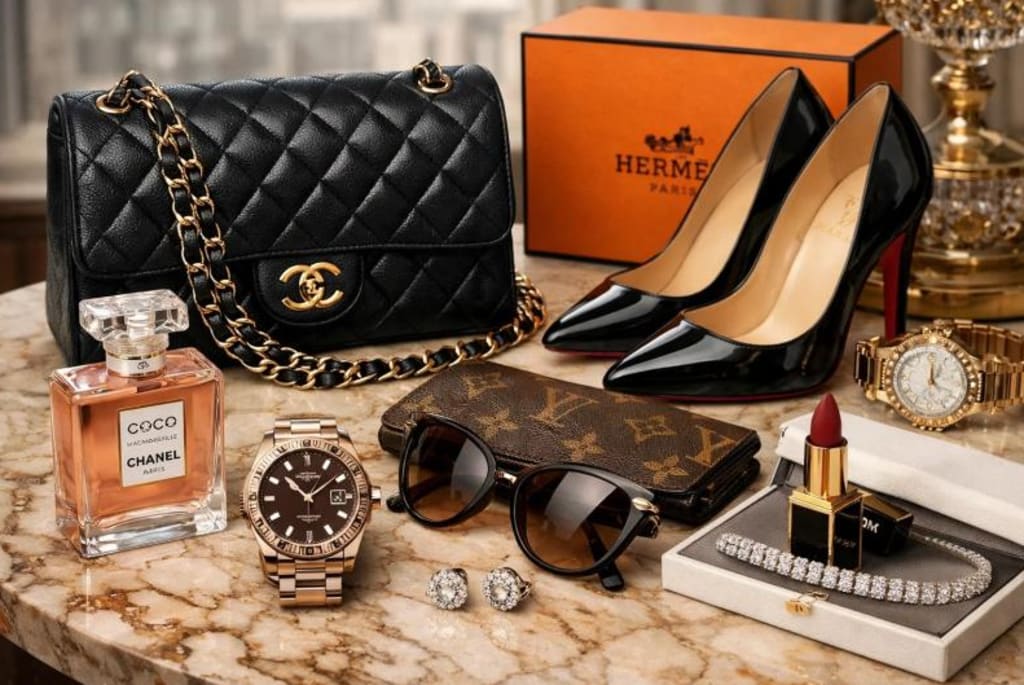
Argentina Luxury Goods Market Size, Share, and Growth Forecast (2026–2034)
The Argentina luxury goods market is entering a phase of measured yet resilient expansion, supported by evolving consumer behavior and gradual economic stabilization. The market reached a value of USD 2.07 billion in 2025 and is projected to grow to USD 2.82 billion by 2034, registering a CAGR of 3.48% during 2026–2034. While this growth rate appears moderate compared to other emerging markets, it reflects the country’s unique economic landscape, where demand for premium products persists despite periodic volatility.
From a B2B perspective, this market offers stable long-term potential rather than rapid short-term gains. Luxury brands, distributors, and retail partners are increasingly focusing on value-driven growth, emphasizing brand equity, selective expansion, and controlled inventory strategies. The Argentina luxury goods market share is also influenced by the concentration of high-income consumers in urban centers such as Buenos Aires, where premium retail ecosystems are more mature.
Request a Sample Report with Latest 2026 Data & Forecasts
Argentina Luxury Goods Market Outlook: Consumer Trends and Premiumization Shift
The outlook for the Argentina luxury goods market is shaped by a noticeable shift in consumer preferences toward premiumization and experiential value. Affluent and upper-middle-class consumers are increasingly prioritizing quality, exclusivity, and brand heritage over mass consumption. This transition is not only redefining purchasing patterns but also influencing how brands position themselves in the market.
A key trend is the growing importance of aspirational buyers—consumers who may not belong to the ultra-high-net-worth segment but are willing to invest in luxury products as a symbol of status and personal identity. This segment is particularly relevant for categories such as fashion, accessories, fragrances, and entry-level luxury goods. For B2B stakeholders, this expands the addressable market beyond traditional elite consumers.
Digital engagement is another critical factor shaping market outlook. The rise of e-commerce platforms and social media marketing has improved product accessibility and brand visibility. Consumers are increasingly interacting with luxury brands online before making purchase decisions, which has accelerated the adoption of omnichannel strategies. Retailers are integrating physical stores with digital platforms to provide seamless customer experiences.
Experiential branding is also gaining traction. Luxury consumers in Argentina are showing a preference for personalized services, exclusive events, and curated shopping experiences. This trend is encouraging brands to invest in customer relationship management and in-store innovation, further strengthening brand loyalty and long-term value creation.
Argentina Luxury Goods Market Analysis: Key Drivers, Challenges, and Competitive Landscape
The Argentina luxury goods market growth is driven by a combination of demographic shifts, rising affluence in select consumer segments, and evolving brand strategies. Increasing exposure to global fashion and lifestyle trends has heightened consumer awareness and demand for premium products. Additionally, the expansion of organized retail and luxury malls is improving product availability and enhancing the overall shopping experience.
However, the market is not without its challenges. Economic fluctuations, currency depreciation, and import restrictions continue to impact pricing strategies and supply chain efficiency. These factors create uncertainty for international brands and require adaptive business models. Companies operating in this space must maintain flexibility in pricing, sourcing, and inventory management to navigate these constraints.
The competitive landscape is characterized by the presence of both global luxury brands and regional players. While international brands dominate the high-end segment, local companies are gaining ground by offering culturally relevant products at relatively accessible price points. This dynamic creates a layered market structure where differentiation is key.
For B2B stakeholders, partnerships and distribution networks play a crucial role in market penetration. Companies are increasingly collaborating with local retailers, franchise operators, and digital platforms to strengthen their presence. Strategic alliances help brands overcome regulatory barriers and optimize market entry costs, making them an essential component of competitive strategy.
Investment Opportunities in Argentina Luxury Goods Market for Global Brands
Argentina presents selective yet promising investment opportunities for global luxury brands willing to adopt a long-term perspective. One of the most attractive areas is the expansion of omnichannel retail infrastructure. Investments in integrated digital and physical retail models can significantly enhance customer reach and engagement, particularly among younger consumers.
Another key opportunity lies in the growing demand for accessible luxury. Brands that offer entry-level premium products can tap into the expanding aspirational consumer base. This segment provides higher volume potential compared to traditional high-end luxury buyers, making it an appealing avenue for revenue diversification.
The tourism sector also offers indirect growth opportunities. As international travel gradually recovers, luxury brands can benefit from increased spending by foreign tourists seeking premium shopping experiences. Strategic store locations in high-traffic urban and tourist areas can maximize visibility and sales.
Moreover, experiential retail and personalized services represent an emerging investment area. Companies that focus on enhancing customer experience through exclusive events, customization, and premium services are likely to achieve stronger brand loyalty and higher customer retention rates.
Despite economic challenges, Argentina’s luxury market remains attractive due to its strong cultural inclination toward fashion and premium lifestyle products. Investors who prioritize brand positioning, operational flexibility, and local partnerships are better positioned to capitalize on these opportunities.
Argentina Luxury Goods Market Forecast: Growth Opportunities and Demand Outlook
The future outlook of the Argentina luxury goods market is defined by steady demand growth supported by structural and behavioral shifts. While macroeconomic conditions may continue to influence short-term performance, the long-term trajectory remains positive due to sustained interest in premium products and lifestyle upgrades.
Demand is expected to be driven by a combination of affluent consumers and aspirational buyers. The latter group will play an increasingly important role in shaping market dynamics, particularly in categories such as fashion accessories, beauty products, and entry-level luxury items. This shift will encourage brands to diversify their product portfolios and pricing strategies.
Technological integration will also be a major growth enabler. The adoption of data analytics, artificial intelligence, and customer relationship management tools will help brands better understand consumer behavior and deliver personalized experiences. This will be critical in maintaining competitiveness in a market where customer expectations are continuously evolving.
Sustainability is emerging as another important factor influencing demand. Consumers are gradually showing interest in ethically sourced and environmentally responsible products. Brands that align their strategies with sustainability trends are likely to gain a competitive edge in the coming years.
In conclusion, the Argentina luxury goods market offers a balanced mix of stability and opportunity. While growth may not be rapid, it is consistent and supported by strong underlying demand drivers. For B2B stakeholders, success will depend on strategic positioning, adaptive business models, and a clear understanding of local market dynamics.
About the Creator
Kim Soo hyun
My name is Kim Soo hyun, and I am a research analyst at IMARC Group, specializing in market trends and data analysis to provide insights and support strategic decision-making.
Enjoyed the story? Support the Creator.
Subscribe for free to receive all their stories in your feed.
Comments
There are no comments for this story
Be the first to respond and start the conversation.