
Are Silver Rounds Worth as Much as Silver Bars? What the Comparison Really Comes Down To
Are Silver Rounds Worth as Much as Silver Bars? What the Comparison Really Comes Down To

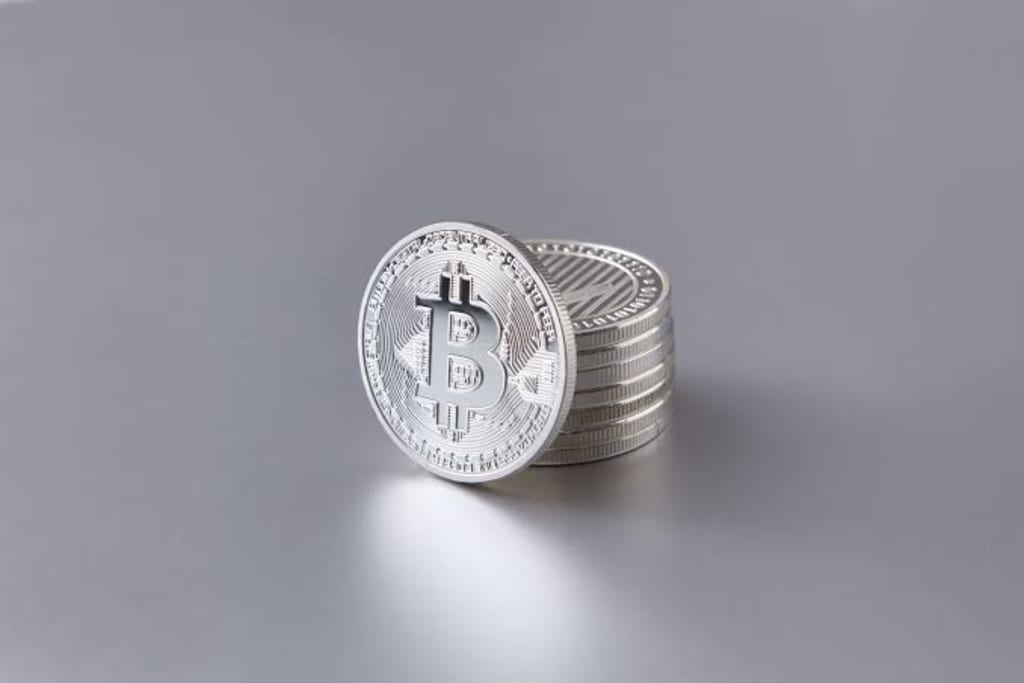
A man I spoke with years ago had been stacking silver quietly for a decade. He kept his rounds in tubes on a shelf in a gun safe, and his bars in a flat case underneath. One day his son asked him which pile was worth more.
He weighed them both, did the arithmetic, and discovered something that surprised his son and not him: ounce for ounce, the two piles were worth almost exactly the same. The shapes were different. The metal was not.
That is the direct answer to the question. Are silver rounds worth as much as silver bars? Yes. On an ounce-for-ounce basis, a .999 fine silver round and a .999 fine silver bar of equal weight carry essentially the same value, because the value comes from the silver.
What differs between them is the premium structure at the moment of purchase, the practicality of storage, and how easily you can sell a piece of your position without selling all of it.
Why Form Factor Changes the Cost but Not the Metal
Both rounds and bars are produced by private mints and commercial refiners. Both are commonly struck or poured to .999 fine. Neither carries a face value or legal tender status, which distinguishes them from government coins like the American Silver Eagle or the Silver Maple Leaf.
Where they differ is fabrication. A one-ounce round is struck like a coin, with dies, in high volume. A bar may be minted (struck from a rolled sheet) or poured (cast in a mold), and larger bars carry lower fabrication cost per ounce simply because one pour or one press produces many ounces at once.
That is the origin of the general pattern most buyers observe. Small units carry higher premiums per ounce. Large units carry lower premiums per ounce.
A ten-ounce bar usually costs less per ounce than ten one-ounce rounds, and a hundred-ounce bar usually costs less per ounce still. You are paying for the labor of dividing the metal into pieces.
In reality, the premium difference between common rounds and small bars is often modest enough that it should not be the deciding factor. The gap widens considerably once you move up to larger bars, and that is where the real trade-off begins.
Key Factors to Weigh
Premium per ounce. Larger bars typically deliver the most silver per dollar. If pure accumulation efficiency is your only goal, size works in your favor.
Divisibility. This is the counterweight, and it is the factor most people underestimate. If you own a hundred-ounce bar and you need to raise a modest amount of cash, you are selling a hundred ounces.
If you own the same weight in one-ounce rounds, you sell what you need and keep the rest. Silver is meant to be a store of value you can access in increments, not a single indivisible block.
Storage and handling. Silver is bulky. Rounds stack neatly in tubes and are easy to count and inventory. Large bars are dense, heavy, and awkward, and a serious position in hundred-ounce bars is genuinely difficult to move by hand.
Verification. Rounds and small bars are simple to verify by weight and dimension. Very large bars require more care because a higher value is concentrated in a single piece, which is exactly why some buyers of large bars prefer well-known refiner marks and assay packaging.
Resale audience. Common rounds and small bars appeal to the widest pool of buyers, including private buyers. Large bars are efficiently sold to dealers but appeal to a narrower group.
Purity consistency. Both forms are commonly .999 fine. Verify the stamp on whatever you buy rather than assuming, particularly with older poured product.
A Practical Decision Framework
If you are building a position you may need to draw on in pieces, favor one-ounce rounds and small bars. The slightly higher premium buys you flexibility, and flexibility has real value in an emergency.
If you are converting a substantial amount of currency and intend to hold for many years without touching it, larger bars are the efficient vehicle. Pair them with some smaller units so you are never forced to liquidate a large piece to solve a small problem.
If you are storing at home, weigh the physical reality. A meaningful position in silver is heavy, and heavy is a security consideration as much as a logistical one.
If you are storing in a professional depository, the calculus shifts toward larger bars, since storage is generally priced by value rather than by shape and the divisibility problem is easier to solve on paper.
If you cannot decide, use the approach most long-term holders converge on anyway: a base of rounds for flexibility, a layer of bars for efficiency, and a portion in recognized government coins for maximum recognition.
Common Concerns and Misconceptions
“Bars must be worth more because they look more serious.” The metal does not care about appearances. A hundred ounces is a hundred ounces whether it arrives as one brick or a hundred discs. What changes is what you paid to acquire it and how easily you can sell part of it.
“Rounds are easier to counterfeit than bars.” Neither form is immune, and counterfeiters chase whatever carries the most margin and the least scrutiny. The defense is the same in both cases: buy from established dealers with a real operating history, and be skeptical of pricing that looks too good. The bargain that seems too generous almost always is.
“I’ll take a bigger hit selling rounds.” Dealer buy prices for common rounds track silver closely and the spread is narrow. Where people genuinely get hurt is not in the round-versus-bar decision. It is in paying a large numismatic markup for a product that sells back at melt, which is the standard outcome for the “certified rare coin” pitches that proliferate whenever metals rally.
“Isn’t it all the same, so why think about it at all?” The metal is the same. Your circumstances are not. Someone accumulating steadily for retirement and someone building a position they may need to draw on in pieces should not buy identically, and the reason to think it through once is so you never have to think about it again.
Conclusion
Silver rounds and silver bars are worth the same per ounce, because they are the same thing in different shapes. The genuine differences are premium efficiency, which favors larger bars, and divisibility and ease of resale, which favor rounds and smaller bars.
Choose based on how you expect to use the metal rather than on which form looks more impressive in a photograph. What matters far more than the shape of your silver is that you own some of it, held outside a financial system that has spent decades proving it will protect itself long before it protects you.
About the Creator
Stefan Gleason
Stefan Gleason is President and CEO of Money Metals, the company recently named "Best Overall Online Precious Metals Dealer" by Investopedia. A graduate of the University of Florida, Gleason is a seasoned business leader and investor.
Enjoyed the story? Support the Creator.
Subscribe for free to receive all their stories in your feed.
Comments
There are no comments for this story
Be the first to respond and start the conversation.