
4 Benefits of Payment Links for Online Shops
The modern solution for flexible, efficient e-commerce payments
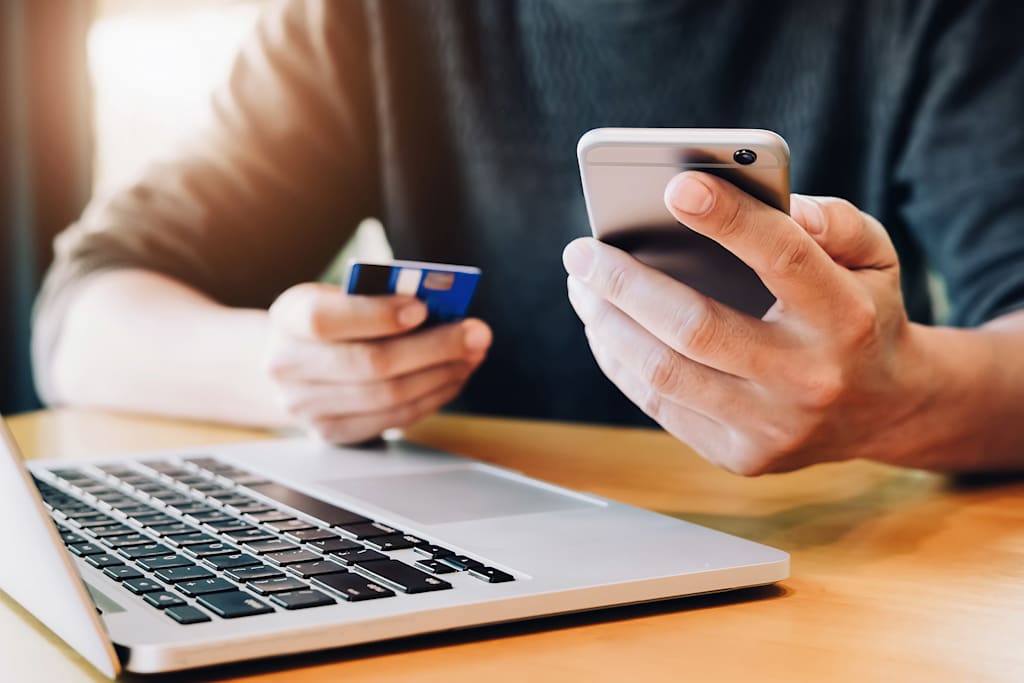
Your customer has found the perfect product. They like the price. They’re ready to buy.
The last thing you need is a checkout process that slows them down.
A payment link gives your shop a simple way to take orders right where the sale starts: in a chat, on social media, via email, or on your website.
What Is a Payment Link and How Does It Work?
A payment link is a secure checkout URL or QR code that takes your customer to a payment page.
It involves creating the link, adding the right amount and product details, and sending it to the buyer. From there, the customer checks the order, picks a payment method, and completes the purchase.
It sounds simple, and that’s the point.
For an online store, these checkout links can be used in more ways than a standard cart. You can send one for a custom order, a product deposit, a pre-order, a digital item, an invoice, or a limited-time offer. You can create a single-use link for one buyer or share a reusable link during a product launch.
This works well when your sales process is not always neat and predictable. Some customers buy from your site. Others ask questions through Instagram. Some reply to emails. A few might message you on WhatsApp asking for a size, color, or shipping quote.
Instead of forcing each buyer into the same checkout path, you can meet them where they are and give them a direct route to pay.
Benefits of Payment Links
Below are the top four benefits offered by payment links:
1. Make checkout easier for mobile and social shoppers.
A lot of online sales now begin outside a website. Someone sees a product on Instagram. Another customer replies to a Facebook post.
That customer may be interested, but they’re easy to lose. Ask them to open your site, search for the product, add it to cart, create an account, and enter the payment details, and the moment can slip away.
Checkout links cut out that messy middle stage.
You confirm the item, price, and delivery details, then send the buyer straight to a payment page. It feels natural, especially on mobile. The customer has fewer taps to make and less thinking to do.
This is helpful for social sellers, digital product sellers, and other stores that often answer questions before a sale. It gives you a cleaner way to turn a conversation into a completed order.
It can make your shop feel more professional, too. Instead of sending bank details in a message or asking for screenshots, you’re giving customers a proper checkout experience.
2. Reduce lost sales and cart abandonment.
People abandon orders for small reasons, such as slow page load times or a complicated checkout process.
Checkout links give you a practical way to bring those buyers back.
Replying to a customer who asks whether a particular product is still in stock and providing a direct checkout route within a minute can increase your chances of getting a sale.
Sending a follow-up message with a direct way to complete the order to shoppers who leave a basket behind after browsing can encourage them to finally buy the product.
This small step can make the difference between “I’ll come back later” and “Paid.”
It works well for custom products, too. A customer might want a different size, color, bundle, or delivery option. Instead of asking them to work through a fixed product page that doesn’t quite match the order, you can send a checkout link built for that sale.
3. Accept more payment types with less manual work.
Some customers want to use debit cards. Others prefer credit cards, digital wallets, or local payment methods. The easier you make that choice, the less friction you create at the point of sale.
Checkout links can help here, depending on the platform. Many support card payments, wallet payments, and secure hosted checkout pages.
This gives your customer a familiar way to pay without you having to build a full checkout system for every sales channel.
The right platform can also save your team time, as you won’t have to deal with manual payment collection that can get messy once orders pick up.
With checkout links, you can usually see whether the buyer has paid, which order the payment belongs to, and what details were entered. That makes order handling cleaner.
Cash flow can improve as well. When customers can pay right away, you spend less time waiting, reminding, and confirming.
4. Support growth beyond your website checkout.
Your website matters, but it does not have to carry every sale by itself. As your shop grows, customers may come from more places, including social media sites, live shopping, and email campaigns.
Checkout links let you sell in more places without the need to change your process each time.
You can use them for pre-orders before a product page goes live. You can send them to buyers who want a custom bundle.
You can also share them during flash sales, product drops, or live events or add them to email promotions or send them after a support conversation.
The right platform can support international and local payment methods and more currency options if you have foreign currency accounts. Checkout links can be included in the wider payment setup, making the process smoother for you and your customers.
Frequently Asked Questions
Read more must-know information about the benefits of payment links for ecommerce sites below:
Do payment links require a website?
No, payment links do not always require a full ecommerce website. You can use a link to collect payments from customers who order through social media, live shopping, and direct messages.
Can payment links help reduce cart abandonment?
Yes, they can help reduce cart abandonment by providing a shorter path back to checkout. Instead of asking them to restart the whole buying process, you can send a direct checkout page for the order.
Are payment links safe for customers?
Yes, payments can be safe when they come from a trusted payment provider with secure checkout, fraud checks and other safety features. Customers should still check that the link comes from the real business before entering card or wallet details.
Can online shops use payment links for international customers?
Yes, many platforms support payments from international customers, which can be completed with cards, wallets, and local methods.
Payment links give your online shop a cleaner way to collect payments, no matter where the sale begins. They work well for nearly all customers, custom orders, abandoned cart follow-ups, invoice payments, and international sales.
Most of all, they make the next step easier for your customer. And when paying feels simple, more buyers complete their orders.
About the Creator
Enjoyed the story? Support the Creator.
Subscribe for free to receive all their stories in your feed.
Comments
There are no comments for this story
Be the first to respond and start the conversation.