
1-Minute Forex Scalping Strategy for Beginners
The 1-minute chart is a meat-grinder for most beginners. I’ll show you how I turned that chaos into a calculated, high-speed profit engine using a strategy that actually makes sense.

Confessions of a 1-Minute Scalper: How I Finally Cracked the Code Without Losing My Sanity
The 1-minute chart is a meat-grinder for most beginners. I’ll show you how I turned that chaos into a calculated, high-speed profit engine using a strategy that actually makes sense.
The Chaos of the 60-Second Window
I used to think the 1-minute chart was a joke. A playground for gamblers and caffeine-addicted teenagers. Every time I looked at it, the candles looked like a heart monitor on overdrive. Up. Down. Fake-out. Stop loss hit. It was a cycle of frustration that left my trading account looking like a crime scene. But then, I stopped trying to outsmart the market and started listening to its rhythm. 1-minute scalping strategy success isn't about being right; it’s about being fast and being disciplined.
Let’s be real for a second. Most people fail at Forex trading for beginners because they treat it like a casino. They see a green candle and hit 'Buy' with their eyes closed. That’s not a strategy; that’s a prayer. To survive the 1-minute noise, you need a filter. You need a way to separate the signal from the static. I spent six months staring at those flickering sticks of red and green until I realized that the market leaves breadcrumbs.
Building a 1-Minute Scalping Strategy That Doesn't Explode
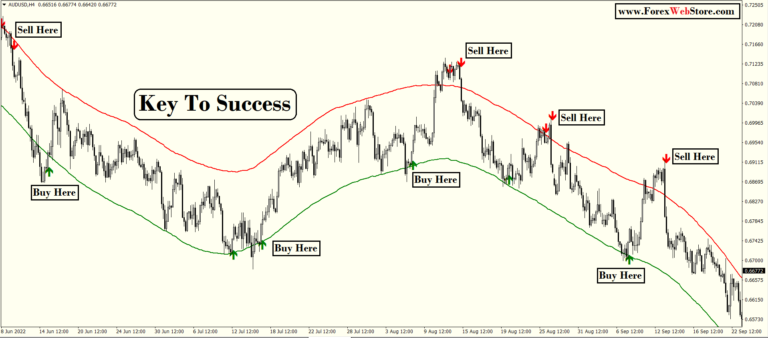
If you want to survive this, you need a toolkit that doesn't clutter your brain. I use a combination of two specific indicators that, when paired together, act like a lie detector for price movement. We’re talking about the Exponential Moving Average (EMA) and the Stochastic Oscillator.
Here’s the setup: You want a 50-period EMA and a 100-period EMA on your chart. Why? Because the 100 EMA tells you the big-picture trend, while the 50 EMA shows you the immediate momentum. When the 50 is above the 100, we are only looking for buys. When it’s below, we are only looking for sells. It sounds simple because it is. But here’s the kicker: most traders ignore the trend because they’re too busy trying to catch a reversal. Don’t do that. Price action is a freight train; you don't stand in front of it, you hop on the back.
Finding the Perfect Scalping Signals
Now, how do we actually pull the trigger? That’s where the Stochastic comes in. I set mine to 5, 3, 3. We aren’t looking for 'overbought' or 'oversold' in the traditional sense. We are looking for a snap-back. If the trend is up (50 EMA > 100 EMA), I wait for the Stochastic to dip below the 20 line. I’m waiting for the market to take a breath. The moment those lines cross back up and price touches that 50 EMA? That’s my entry.
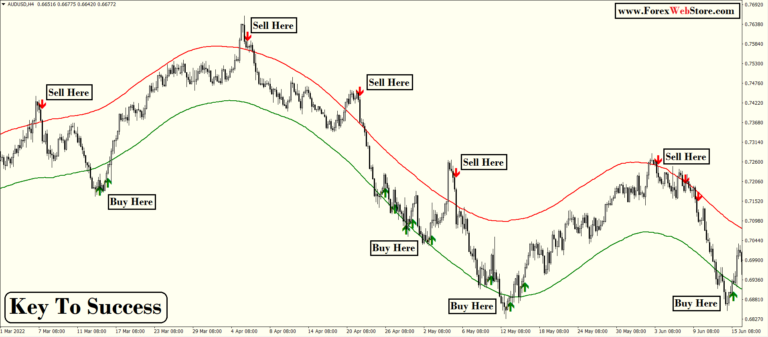
Scalping signals are everywhere, but the high-quality ones are rare. You have to be like a sniper. Sit. Wait. Watch. Then—bang. You’re in and out before the market even realizes you were there.
Risk Management: Your Only Real Friend
You’ve heard it a thousand times, but I’m going to say it again because your account depends on it: Risk management is the difference between a career and a one-night stand with the market. When you’re trading the 1-minute timeframe, things happen fast. A single news event can wipe out ten winning trades if you aren't careful.
My rule is non-negotiable. I never risk more than 1% of my account on a single trade. In fact, for a 1-minute scalping strategy, 0.5% is often better. My stop loss is usually just 5-7 pips away. If I’m wrong, I’m out. No 'giving it room to breathe.' No hoping it turns around. The market doesn't care about your hopes. It only cares about liquidity. Take the small loss. It’s just the cost of doing business.
The Psychology of the High-Speed Trade
This is where it gets psychological. Scalping is mentally draining. You are making decisions in seconds. Your heart rate will spike. You’ll feel the urge to 'revenge trade' after a loss. Look, I’ve been there. I’ve sat at my desk at 3 AM trying to win back a hundred dollars and ended up losing a thousand.
That’s when it hit me: Day trading profit isn’t made in the charts; it’s made in your head. You need a 'kill switch.' If I lose two trades in a row, I walk away. I shut the laptop. I go for a walk. The market will be there tomorrow. Your capital might not be if you stay and fight a losing battle.
Mastering Price Action in the Eye of the Storm
To really thrive, you have to understand price action beyond just indicators. Indicators are lagging—they tell you what happened, not what’s happening right now. Look at the candles. Are they getting smaller? That’s exhaustion. Is there a long wick sticking out the top? That’s rejection.
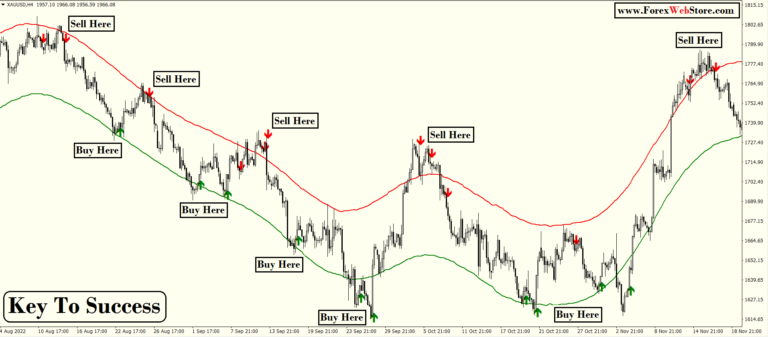
I’ve found that the best trades happen during the London and New York sessions. That’s where the volume is. Trying to scalp the 1-minute chart during the Asian session is like trying to surf in a bathtub. There’s just not enough movement. You’ll get chopped up by the spread.
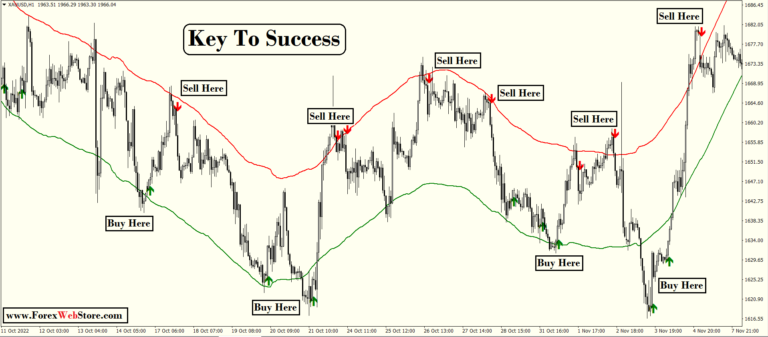
Technical indicators are your map, but price action is the road. Always watch how price reacts when it hits those EMA lines. If it slices through them like butter, stay away. If it bounces off them like a trampoline, you’ve found your goldmine.
The Golden Rule: Take the Pips and Run
The biggest mistake beginners make is getting greedy. They see a 5-pip profit and think, 'Maybe it’ll go to 50!' It won’t. Not on the 1-minute chart. This is scalping, not swing trading. We are looking for 'meat'—the middle part of the move.
I usually aim for a 1:1.5 or 1:2 risk-to-reward ratio. If my stop is 5 pips, my target is 8 to 10 pips. Once I hit that, I’m out. I don't care if it goes another 100 pips. That wasn't my trade. Discipline is the only thing that separates the pros from the dreamers.
Think about it. If you can net just 10-20 pips a day with a solid Forex strategy for beginners, you are doing better than 90% of traders out there. It’s not about the
About the Creator
Alex John
Today I will share with you how to trade option trading. Although this indicator is made for Stock Market, Forex Market if you work in other pairs then you can use it. Like:- Nifty, Banknifty, XAUUSD, EURUSD, USDCAD, EURCHF, GBPUSD,etc.
Enjoyed the story? Support the Creator.
Subscribe for free to receive all their stories in your feed.
Comments
There are no comments for this story
Be the first to respond and start the conversation.