
Why are thousands of mosquitoes being released in Washington DC?
Scientists hope a controversial mosquito-release program will help reduce disease-carrying insect populations and improve public health. The unusual initiative aims to combat mosquito-borne diseases by using specially bred mosquitoes to suppress future generations. Public health officials say releasing non-biting male mosquitoes could provide a safer and more sustainable alternative to pesticides. As concerns about mosquito-borne illnesses grow, researchers are testing innovative biological control methods in the U.S. capital. The project combines science, technology, and environmental management in an effort to curb dangerous mosquito populations. Residents are questioning the strategy, but experts believe the program could transform the future of mosquito control. A groundbreaking experiment seeks to reduce disease risks by turning mosquitoes against their own species.
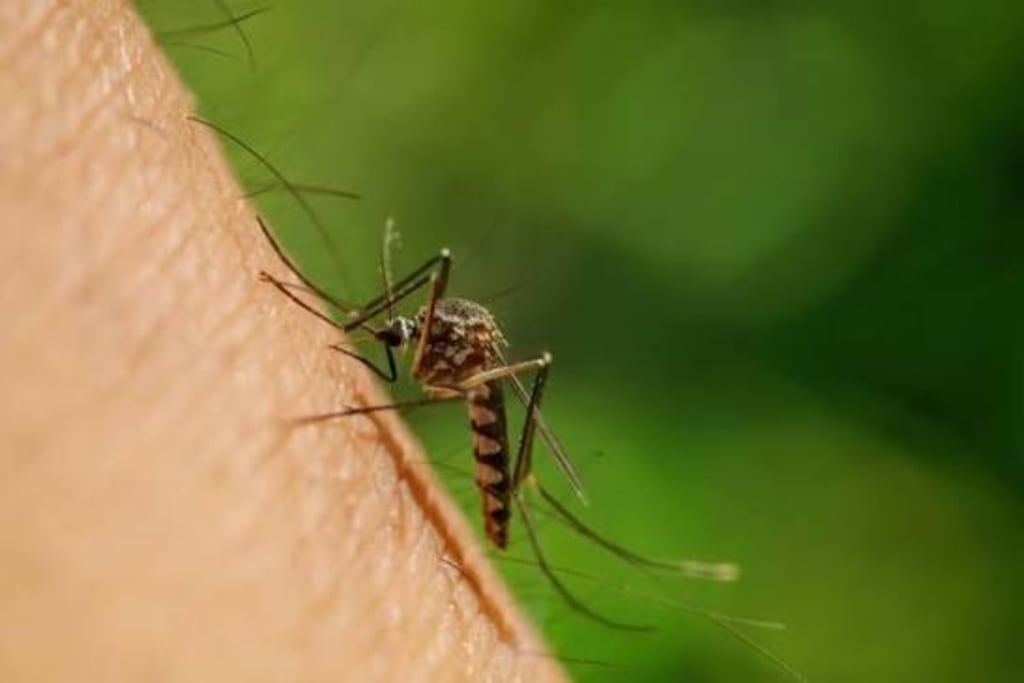
A public health experiment aims to fight disease-carrying insects by releasing mosquitoes into the environment
The idea of deliberately releasing thousands of mosquitoes into a major city may sound counterintuitive. For many residents of Washington, D.C., mosquitoes are already an unwelcome part of summer, bringing itchy bites and concerns about diseases such as West Nile virus. Yet public health officials and scientists believe that releasing specially prepared mosquitoes could become one of the most effective ways to reduce mosquito populations and lower the risk of disease transmission.
The initiative has attracted significant public attention because it appears to contradict traditional pest-control strategies. Instead of eliminating mosquitoes through widespread spraying or chemical treatments, researchers are using mosquitoes themselves as a weapon against future mosquito generations. Supporters describe the program as an innovative, environmentally focused solution to a growing public health challenge.
At the center of the effort is a species known as Aedes aegypti, a mosquito capable of transmitting diseases such as dengue fever, Zika virus, chikungunya, and yellow fever. Although these diseases are more commonly associated with tropical and subtropical regions, health officials remain concerned about the possibility of outbreaks in areas where the mosquito population becomes established.
The mosquitoes being released are typically male mosquitoes that have been bred under controlled conditions. Male mosquitoes do not bite humans because they feed on plant nectar rather than blood. Their primary role in the program is reproduction. When released males mate with wild female mosquitoes, the resulting offspring either fail to survive or are unable to reproduce effectively, depending on the specific technology being used.
Scientists describe the approach as a form of biological population control. By reducing the number of viable offspring, mosquito populations can gradually decline over time. The strategy is designed to target specific mosquito species rather than affecting a broad range of insects, making it potentially less disruptive to ecosystems than some chemical control methods.
Public health experts argue that traditional mosquito-control measures face growing limitations. In many regions, mosquitoes have developed resistance to commonly used insecticides. This resistance reduces the effectiveness of spraying programs and creates challenges for local authorities attempting to control mosquito populations. Climate change has also contributed to concerns, as warmer temperatures and changing weather patterns can create favorable conditions for mosquitoes to expand into new areas.
Washington, D.C., has become an important testing ground because of its dense urban environment and its experience with mosquito-related public health concerns. City officials and researchers hope that studying the results in a large metropolitan area will provide valuable information for future programs elsewhere in the United States.
Despite scientific support for the initiative, public reaction has been mixed. Some residents have questioned the wisdom of releasing any mosquitoes at all, regardless of whether they bite humans. Others have expressed concerns about possible unintended environmental consequences. Community meetings and public information campaigns have therefore become an important part of the project, allowing scientists to explain the goals and safety measures involved.
Researchers emphasize that the released mosquitoes undergo extensive testing before deployment. Regulatory agencies review the scientific evidence, environmental assessments, and potential risks associated with each program. Officials stress that the mosquitoes are not intended to increase mosquito populations but rather to reduce them over time.
Environmental groups have also taken an interest in the project. Some organizations view biological mosquito control as a potentially valuable alternative to heavy reliance on pesticides. Chemical treatments can affect non-target species, including beneficial insects, and may contribute to environmental contamination. By contrast, targeted biological approaches seek to minimize collateral impacts while addressing specific public health threats.
The program reflects a broader shift in how scientists approach disease prevention. Instead of responding only after outbreaks occur, public health agencies increasingly focus on preventive strategies designed to reduce risks before they become major problems. Mosquito control has become a particularly important area of research because mosquito-borne diseases affect millions of people worldwide every year.
Technology has played a major role in making such programs possible. Advances in genetics, insect breeding, and ecological monitoring allow researchers to track mosquito populations with greater precision than ever before. Data collected from field studies help scientists evaluate whether releases are reducing mosquito numbers and whether adjustments are needed.
Still, experts caution that no single method is likely to eliminate mosquito-related health risks entirely. Effective mosquito management generally involves a combination of strategies, including public education, removal of standing water, surveillance programs, targeted treatments, and biological control measures. The mosquito-release initiative is intended to complement these efforts rather than replace them.
For residents of Washington, D.C., the sight of mosquitoes being intentionally released may remain surprising. Yet supporters argue that the unusual strategy reflects the growing need for innovative solutions in public health. As mosquito-borne diseases continue to pose challenges around the world, cities are increasingly exploring approaches that balance effectiveness, environmental responsibility, and long-term sustainability.
Whether the Washington program ultimately becomes a model for other cities will depend on the results. Researchers will continue monitoring mosquito populations, evaluating environmental impacts, and measuring public health outcomes. If successful, the project could demonstrate how science can transform one of humanity’s oldest pests into a tool for controlling its own population.
For now, the release of thousands of mosquitoes in the nation’s capital serves as a reminder that modern public health solutions are not always intuitive. Sometimes the strategy for fighting mosquitoes involves releasing more of them—carefully selected, scientifically engineered, and intended to help reduce the threat posed by future generations.
About the Creator
Enjoyed the story? Support the Creator.
Subscribe for free to receive all their stories in your feed.
Comments
There are no comments for this story
Be the first to respond and start the conversation.