
White House Indiana Primary Pressure and Political Strain
Politics often feels like a distant system, something happening far away in offices and headlines. But every election cycle brings moments that reveal how intense and personal it can become.

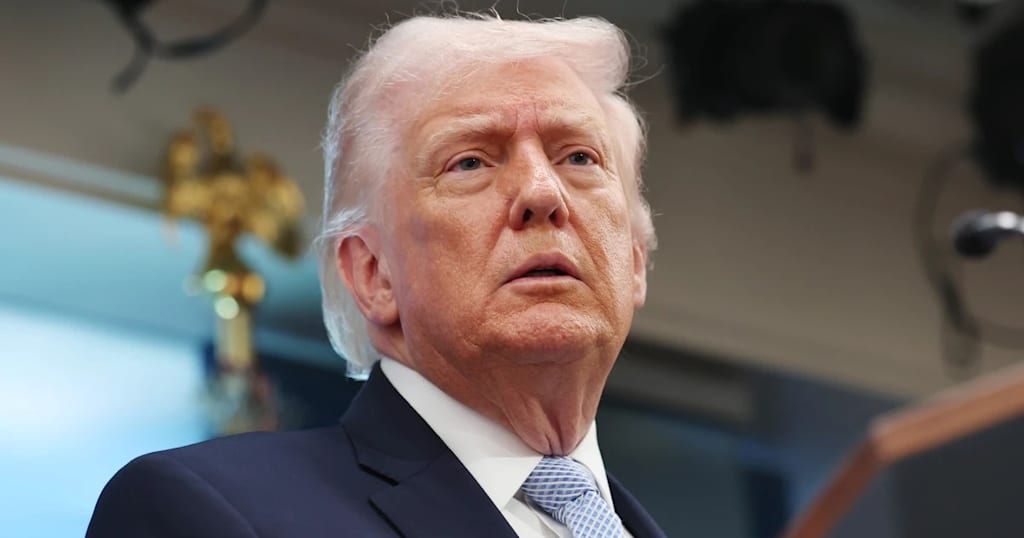
Politics often feels like a distant system, something happening far away in offices and headlines. But every election cycle brings moments that reveal how intense and personal it can become. The phrase white house indiana primary pressure captures one of those moments. It reflects not just strategy, but tension, urgency, and the weight of expectations placed on both leaders and voters. Beneath the surface, there are decisions being made that shape not only outcomes, but trust in the process itself. This kind of pressure does not exist in isolation. It affects campaigns, communities, and the way people see democracy. Understanding it requires looking beyond the headlines and into the human side of political decision-making.
Understanding the Context of Indiana Primaries
The White House often becomes a focal point during election seasons, even in state-level contests.
The Indiana primary plays a specific role in shaping broader political direction.
While it may not always be the first contest on the calendar, it can still carry weight depending on timing and political climate.
The phrase white house indiana primary pressure reflects how national attention can shift toward a state contest when stakes are high.
This pressure does not appear suddenly.
It builds through campaign strategy, public expectations, and internal party dynamics.
Why Pressure Builds in State Primaries
State primaries are more than local events.
They are part of a larger political process.
For the White House, outcomes in states like Indiana can signal momentum or weakness.
This creates a sense of urgency.
Campaign teams analyze every detail.
They look at voter turnout, messaging, and regional trends.
For example, if a candidate performs differently than expected, it may lead to questions about strategy.
This is where pressure begins to grow.
The Role of National Influence
The connection between the White House and state primaries is not always direct, but it is significant.
National leaders may express support for certain candidates.
Their involvement can influence public perception.
In the context of white house indiana primary pressure, this influence becomes more visible.
When the White House shows interest in a state race, it signals importance.
This can increase attention from media and voters.
It can also raise expectations for specific outcomes.
Campaign Strategy Under Pressure
Campaigns operate differently when pressure increases.
Decisions are made more quickly.
Messages are adjusted to address changing conditions.
In Indiana, candidates may shift focus to key issues that resonate with local voters.
At the same time, they must consider national expectations.
For example, a campaign might emphasize economic concerns in one region while addressing social issues in another.
Balancing these priorities is not simple.
It requires careful planning and constant adjustment.
The Emotional Weight on Candidates
Pressure is not just strategic.
It is also emotional.
Candidates in high-stakes primaries experience intense scrutiny.
Every appearance, debate, and statement is evaluated.
In the case of white house indiana primary pressure, this scrutiny becomes even stronger.
Candidates may feel the need to meet both local and national expectations.
This can create stress.
It can also affect how they communicate with voters.
Voter Expectations and Influence
Voters play a central role in this process.
Their decisions determine outcomes.
But they are also influenced by the broader environment.
When the White House shows interest in a primary, voters may feel that their choice carries additional weight.
This can change how they approach voting.
For example, some voters may focus on electability.
Others may prioritize alignment with national leadership.
These considerations shape the overall result.
Media Coverage and Public Perception
Media coverage is a key factor in shaping the narrative around white house indiana primary pressure.
News outlets highlight key moments, such as debates and endorsements.
They analyze results and predict outcomes.
This coverage influences how people understand the race.
It can create a sense of urgency.
It can also amplify certain perspectives.
For example, a close race may be described as a critical test, increasing attention and tension.
Internal Party Dynamics
Pressure within a primary is not only external.
It also exists within political parties.
Different groups may support different candidates.
They may have varying priorities and strategies.
In the context of white house indiana primary pressure, these internal dynamics become more visible.
Party leaders may attempt to unify support.
At the same time, disagreements may emerge.
Managing these differences is part of the process.
The Impact on Decision-Making
Pressure influences decision-making at multiple levels.
Candidates adjust their strategies.
Campaign teams revise their plans.
Party leaders consider long-term implications.
For the White House, the outcome of a state primary can affect broader political goals.
This creates a complex environment.
Decisions are not made in isolation.
They are shaped by multiple factors, including public opinion and strategic considerations.
Balancing Local and National Priorities
One of the key challenges in situations like white house indiana primary pressure is balancing local and national priorities.
Indiana voters have specific concerns.
These may include economic conditions, education, and community issues.
At the same time, national leaders focus on broader political direction.
Candidates must address both.
For example, a policy that appeals nationally may need to be adapted to fit local context.
This balancing act requires careful communication.
The Role of Timing
Timing plays an important role in the level of pressure.
A primary held early in the election cycle may set the tone.
One held later may confirm trends.
In Indiana, timing can influence how much attention the race receives.
If the outcome has the potential to shift momentum, pressure increases.
This is often reflected in campaign activity and media coverage.
Public Trust and Transparency
Pressure in political processes can affect public trust.
When voters see intense focus from the White House, they may question motivations.
Transparency becomes important.
Clear communication helps maintain trust.
For example, explaining the reasons behind endorsements or involvement can reduce uncertainty.
This helps voters feel more confident in the process.
The Human Side of Political Pressure
Behind every strategy and decision, there are people.
Campaign staff work long hours.
Candidates face constant demands.
Voters make choices that reflect their values and concerns.
The phrase white house indiana primary pressure represents this human element.
It is not just about politics.
It is about the experiences of those involved.
Long-Term Effects on Political Landscape
The impact of a primary does not end with the results.
It can shape future campaigns and strategies.
For the White House, lessons learned from Indiana may influence decisions in other states.
This creates a cycle of adjustment and reflection.
Each election contributes to the broader political landscape.
Lessons from High-Pressure Primaries
There are several lessons that emerge from situations like white house indiana primary pressure.
First, political processes are complex.
Second, pressure can influence both strategy and perception.
Third, voter engagement remains central.
These lessons help explain how elections function in practice.
A Reflection on Modern Politics
Modern politics involves constant interaction between local and national levels.
The white house indiana primary pressure highlights this connection.
It shows how decisions in one area can affect broader outcomes.
It also reveals the challenges of managing expectations in a highly visible environment.
Moving Forward with Awareness
Understanding the dynamics of political pressure helps create a more informed perspective.
It encourages voters to look beyond headlines.
It supports thoughtful engagement with the process.
Awareness does not require agreement.
It simply allows for a deeper understanding.
Conclusion
The phrase white house indiana primary pressure represents more than a political moment. It reflects the tension, strategy, and human experience that shape elections.
It shows how local events can carry national significance.
It highlights the role of voters, candidates, and leaders in a complex system.
By looking beyond the surface, it becomes possible to understand the deeper forces at work.
And in that understanding, there is a clearer view of how political decisions are made and how they affect the broader landscape.
About the Creator
Muqadas khan
Hi! Welcome to my Vocal page. I’ll be sharing fresh articles every day covering stories, ideas, and a bit of inspiration to brighten your feed. Thanks for reading and supporting daily writing! 📖💫
Enjoyed the story? Support the Creator.
Subscribe for free to receive all their stories in your feed.
Comments
There are no comments for this story
Be the first to respond and start the conversation.