
U.S. Military Readiness Under Review: Mike Waltz’s Focus on Strengthening America’s Defense
How Washington Is Reassessing Military Strength in a Changing Global Security Environment" "Inside the Debate Over America’s Defense Capabilities, Strategy, and Future Preparedness" "Why Military Modernization and Readiness Remain Key Priorities for U.S. Security" "Mike Waltz’s Vision for a Stronger U.S. Military in an Era of Global Challenges" "The Growing Focus on Technology, Training, and Strategy in America’s Armed Forces"
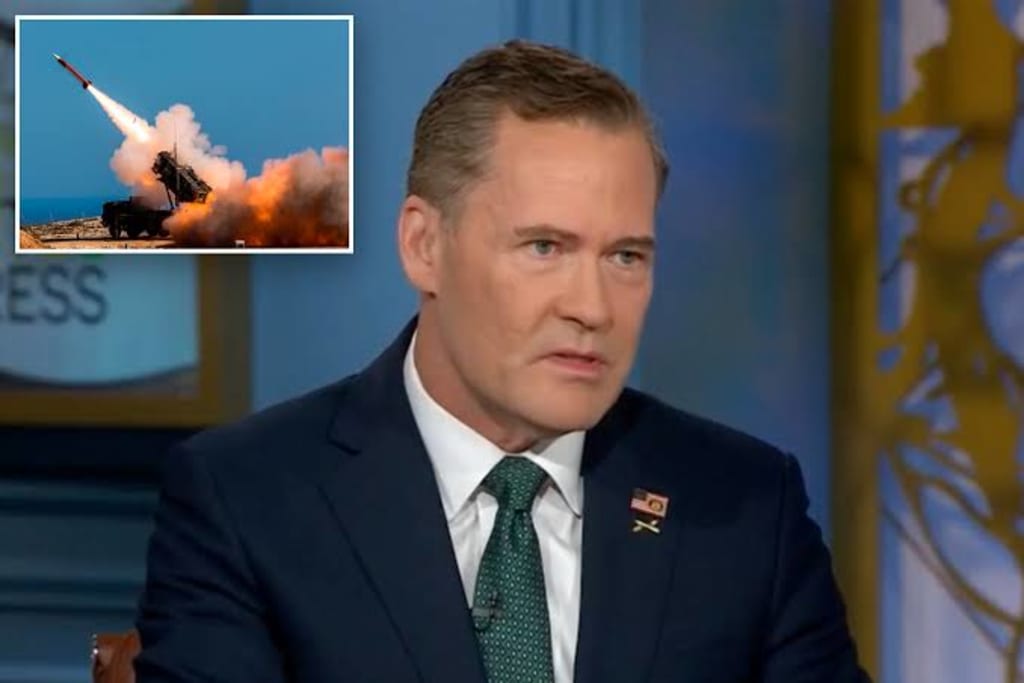
The question of U.S. military readiness has remained a major topic in Washington as global security challenges continue to grow. From tensions in Europe and the Indo-Pacific to emerging threats in cyberspace and advanced weapons technology, American defense leaders have emphasized the need to maintain a capable and prepared military force. Among the officials involved in these discussions, Mike Waltz has become a prominent voice on national security and military preparedness.
Waltz, a former U.S. Army Green Beret and member of Congress, has built his public profile around defense issues, veteran affairs, and concerns about America’s ability to respond to rapidly changing threats. His views on military readiness focus on ensuring that U.S. forces have sufficient resources, modern equipment, realistic training, and a clear strategic direction.
Military readiness is a complex issue that goes beyond the size of the armed forces. It includes the condition of equipment, availability of ammunition, troop training levels, recruitment and retention, technological superiority, and the ability to deploy forces quickly when needed. Defense officials have repeatedly noted that maintaining readiness requires long-term planning and consistent investment.
One of Waltz’s key areas of focus has been the need for the United States to prepare for competition with major global powers. He has argued that challenges from countries such as China and Russia require a stronger emphasis on modernization and military innovation. In particular, he has highlighted the importance of advanced technologies, including artificial intelligence, unmanned systems, cyber capabilities, and next-generation weapons.
The changing nature of warfare has created new demands on the U.S. military. Recent conflicts around the world have demonstrated the increasing importance of drones, electronic warfare, precision weapons, and information operations. Military planners are studying these developments to understand how future conflicts may differ from traditional battles involving large numbers of troops and conventional equipment.
Another major issue connected to readiness is the condition of the defense industrial base. Producing enough ships, aircraft, missiles, and other military equipment requires a strong network of manufacturers and suppliers. Officials have raised concerns that production capacity must keep pace with potential future demands, especially as nations compete to expand their own military capabilities.
Personnel readiness is also a central concern. The U.S. military has faced challenges related to recruitment and retention in recent years. Maintaining a professional force requires not only attracting new personnel but also keeping experienced service members. Military leaders have emphasized the importance of quality training, family support programs, and strong career opportunities to maintain a reliable force.
Waltz has frequently connected military readiness with broader national security strategy. He has argued that deterrence depends on demonstrating the ability and willingness to respond to threats. Supporters of stronger defense policies believe that a well-prepared military can prevent conflicts by discouraging potential adversaries from taking aggressive actions.
Critics, however, often debate how much defense spending is necessary and how resources should be allocated. Some argue that military modernization should be balanced with investments in diplomacy, economic strength, and domestic priorities. The debate reflects a long-standing discussion in U.S. politics about the appropriate role and size of America’s military presence around the world.
The lessons from recent conflicts have influenced U.S. defense thinking. The war in Ukraine, tensions in the Indo-Pacific, and evolving cyber threats have shown that modern security challenges require flexibility and rapid adaptation. Military leaders increasingly emphasize that future readiness depends on combining traditional military strength with technological innovation and strategic planning.
As national security discussions continue, figures like Mike Waltz remain influential in shaping debates about the future direction of U.S. defense policy. His emphasis on modernization, military capability, and preparedness reflects broader concerns among policymakers about maintaining America’s position in an increasingly competitive global environment.
Ultimately, military readiness is not measured by one factor alone. It is the result of years of planning, investment, training, and strategic decision-making. Ensuring that U.S. forces remain prepared for future challenges will continue to be a major priority for defense officials and policymakers.
The debate surrounding readiness will likely continue as the United States evaluates new threats and adjusts its military strategy. Whether through improved technology, stronger supply chains, or expanded training programs, the goal remains the same: maintaining a capable force prepared to protect national interests in a changing world.
About the Creator
Enjoyed the story? Support the Creator.
Subscribe for free to receive all their stories in your feed.
Comments
There are no comments for this story
Be the first to respond and start the conversation.