
US Launches ‘Heavy’ Strikes on Iran After Attempted Attack on American Troops
Washington responds with a major military operation after an alleged attack raises fears of wider Middle East escalation. US forces target Iranian-linked positions as tensions between Washington and Tehran reach a critical point. A new wave of strikes deepens the crisis between the two countries and sparks global concerns over regional stability. The Pentagon says the operation aims to protect American personnel and deter future attacks. Retaliation against Iran marks a significant escalation in the ongoing confrontation between the US and Tehran.
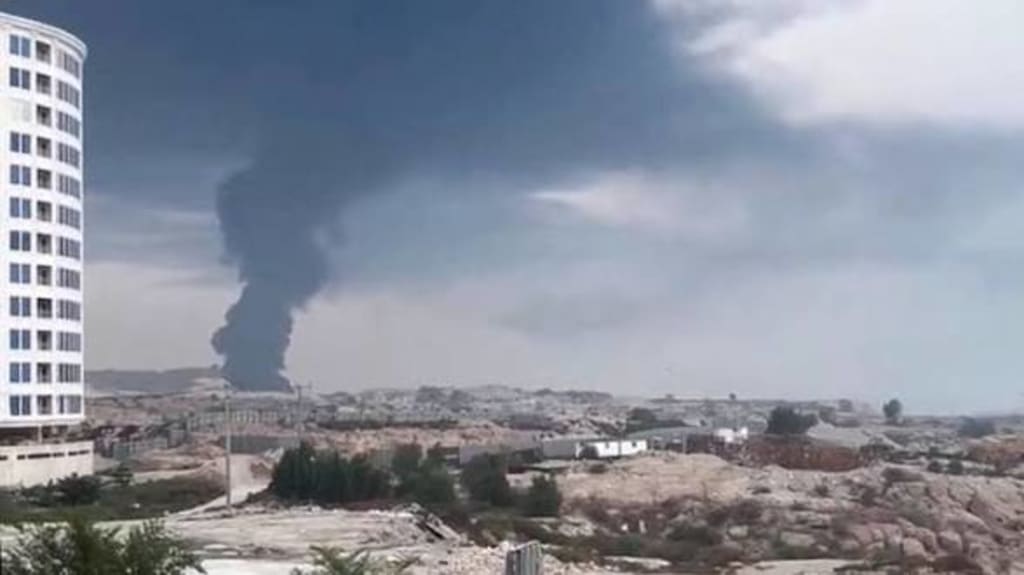
The United States has launched a major wave of military strikes against targets in Iran following what American officials described as an attempted Iranian attack on U.S. troops stationed in the Middle East. The operation marks one of the most significant escalations in tensions between Washington and Tehran in recent months and has raised concerns about a broader regional conflict.
According to the U.S. Central Command (CENTCOM), American forces carried out a “heavy wave” of strikes targeting dozens of facilities associated with Iran’s Islamic Revolutionary Guard Corps (IRGC). Military officials said the action was intended as a direct response to ballistic missile attacks that were launched toward American military installations in the region, including bases in Jordan. U.S. defense systems reportedly intercepted the incoming missiles, preventing casualties among American personnel.
The strikes began late Wednesday evening and continued for approximately two hours. CENTCOM stated that the operation focused on military infrastructure believed to be involved in planning and supporting attacks against U.S. forces. Targets reportedly included command-and-control centers, missile launch facilities, drone production sites, coastal surveillance systems, and maritime defense positions. American military leaders described the operation as a “powerful response” designed to deter future attacks and protect U.S. personnel deployed throughout the region.
President Donald Trump publicly defended the military action, arguing that the United States had no choice but to respond decisively after Iran allegedly attempted to strike American troops. The administration emphasized that the operation was aimed at military objectives and was not intended to target civilians. Officials further stated that the United States remains prepared to defend its interests and personnel against any future threats.
Iranian authorities condemned the strikes, describing them as a violation of international law and national sovereignty. Iranian state media reported explosions in several areas and claimed that civilian casualties had occurred. Reports from Iranian sources indicated that at least several people were killed, including members of a family on Qeshm Island. Independent verification of casualty figures remains difficult as information continues to emerge from the affected regions.
The latest confrontation is part of a broader cycle of retaliation that has intensified tensions between the United States and Iran. Analysts note that the relationship between the two countries has deteriorated significantly amid ongoing disputes over regional security, military deployments, and maritime navigation in the Persian Gulf. The recent missile attack against U.S. positions appears to have shattered hopes for a temporary easing of tensions that had been encouraged through diplomatic discussions.
Regional governments have reacted with growing concern. Jordan confirmed that its air defense systems intercepted several missiles during the latest exchange of hostilities. Neighboring countries fear that continued escalation could destabilize an already fragile security environment and potentially draw additional states into the conflict. Governments across the Middle East have called for restraint while monitoring developments closely.
The military confrontation has also generated concerns about global energy markets. The Strait of Hormuz, one of the world’s most important shipping routes for oil and natural gas, remains a focal point of strategic importance. Any disruption to maritime traffic through the narrow waterway could affect global energy supplies and contribute to rising fuel prices worldwide. Financial markets have already shown signs of volatility as investors assess the implications of the growing conflict.
International observers have urged both sides to avoid further escalation. Diplomats from several countries continue to explore options for reducing tensions and reopening channels of communication between Washington and Tehran. However, the latest exchange of attacks highlights the significant challenges facing diplomatic efforts and underscores the risk that a single military incident could trigger a wider regional confrontation.
Security experts warn that retaliatory actions often create a cycle that becomes increasingly difficult to control. While the United States argues that its strikes were necessary to defend its forces, Iran has vowed to continue resisting what it views as foreign aggression. Such opposing positions make a rapid de-escalation unlikely and increase uncertainty about the next phase of the conflict.
For now, American military forces across the region remain on heightened alert. Additional defensive measures have reportedly been implemented at U.S. installations, while naval and air assets continue to monitor potential threats. Military officials have indicated that the United States retains the capability and willingness to conduct further operations if American personnel come under attack again.
The situation remains fluid, with governments, military planners, and international organizations closely watching developments. As both nations assess the consequences of the latest strikes, the possibility of further retaliation cannot be ruled out. The coming days will likely prove critical in determining whether the crisis moves toward de-escalation through diplomacy or enters a new and more dangerous phase of confrontation.
About the Creator
Enjoyed the story? Support the Creator.
Subscribe for free to receive all their stories in your feed.
Comments
There are no comments for this story
Be the first to respond and start the conversation.