
US-Iran Talks in Deadlock: What’s the Latest and What Happens Next?
Diplomatic efforts to end the US-Iran conflict remain stalled as Washington and Tehran disagree over sanctions, military pressure, the Strait of Hormuz and the terms of a possible peace arrangement.
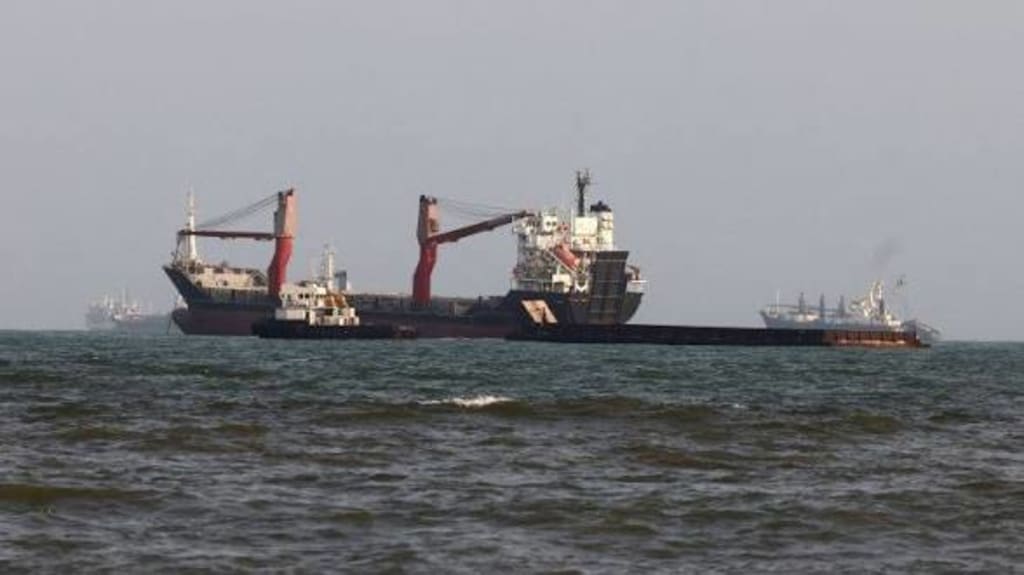
The latest US-Iran talks remain locked in a serious deadlock, with neither side showing enough flexibility to revive a broader agreement. As of August 13, 2026, negotiations are continuing indirectly through mediators, while the United States and Iran remain divided over the conditions needed to end hostilities and restore stability across the region.
The diplomatic crisis has become particularly complicated because the negotiations are taking place alongside military confrontation and disruption around the strategically important Strait of Hormuz. The waterway is one of the world's most important energy routes, meaning that any prolonged disruption can affect oil markets, shipping costs and the wider global economy.
Why Are US-Iran Talks Stalled?
The central problem is that Washington and Tehran have different priorities. The United States wants concrete commitments from Iran on security and its nuclear capabilities, while Iran is demanding significant economic and security concessions before making further commitments.
A temporary agreement reached in June was intended to stop military operations and create a framework for longer negotiations. However, the arrangement collapsed after U.S. President Donald Trump declared it over on July 7. Iranian officials subsequently argued that Washington had failed to meet its commitments and insisted that the United States return to the original framework before further progress could be made.
This breakdown has created a major trust deficit. Both governments accuse the other side of violating commitments, making it extremely difficult to establish a new negotiating framework.
The Strait of Hormuz Is at the Center
One of the biggest obstacles is the Strait of Hormuz, which connects the Persian Gulf with international waters. Iran says the waterway will not fully reopen unless Washington meets its demands, while the United States has demanded that Iran restore normal shipping.
Tehran has reportedly linked reopening the strait to measures including the lifting of sanctions, the release of frozen Iranian assets, withdrawal of U.S. military forces and compensation for war-related damage. These demands go considerably beyond a simple ceasefire arrangement.
Washington, meanwhile, maintains strong military pressure. U.S. Defense Secretary Pete Hegseth said on August 13 that the U.S. Navy could maintain its blockade of Iranian ports indefinitely by rotating forces in the region.
That statement demonstrates how far apart the two sides remain.
Nuclear Issues Remain a Major Concern
Iran's nuclear program continues to be another critical issue. Washington wants guarantees that Iran cannot develop nuclear weapons, while Tehran has historically maintained that its nuclear activities are intended for peaceful purposes.
Earlier negotiations included discussions about international nuclear inspections, but the two sides have disagreed about the scope and timing of verification. Without a reliable inspection and monitoring mechanism, reaching a durable nuclear agreement will be extremely difficult.
For the United States, verification is essential. For Iran, however, accepting extensive restrictions without meaningful sanctions relief would be politically difficult.
Mediators Are Trying to Break the Deadlock
Despite the lack of direct progress, diplomatic channels have not completely disappeared. Countries including Pakistan, Qatar and Oman have been involved in passing messages and attempting to bring the two sides closer together.
Mediation is particularly important because direct communication between Washington and Tehran has become extremely sensitive. Intermediaries can transmit proposals without forcing either side to publicly concede ground.
Qatar previously said mediators were making progress, but subsequent developments showed that major disagreements remained unresolved.
What Does the Deadlock Mean for Oil Prices?
The US-Iran standoff has significant consequences for energy markets. Investors are closely watching developments around Hormuz because disruptions to shipping can threaten global oil and gas supplies.
Interestingly, oil prices fell sharply on August 13 despite the diplomatic deadlock. Reuters reported that oil prices dropped more than 3%, with investors focusing on weaker global demand expectations and rising U.S. crude inventories.
However, falling prices do not mean the geopolitical risk has disappeared. A sudden escalation involving commercial vessels, energy infrastructure or the Strait of Hormuz could quickly reverse market sentiment.
Is a Peace Deal Still Possible?
A diplomatic settlement remains possible, but the road to an agreement is difficult. The biggest challenge is that both Washington and Tehran need guarantees that the other side will honor its commitments.
For Iran, sanctions relief, economic access and security assurances are major priorities. For the United States, the focus is on preventing a renewed nuclear threat, reducing regional military risks and restoring freedom of navigation.
A successful agreement would therefore likely need to address several issues simultaneously rather than focusing on only one problem.
What Happens Next?
The immediate future will depend on whether mediators can persuade both sides to return to a common negotiating framework. A limited arrangement could potentially focus first on shipping, military de-escalation and humanitarian issues before moving toward more complicated nuclear and sanctions questions.
For now, however, the US-Iran talks remain deadlocked. The continued military pressure, competing demands over the Strait of Hormuz and deep mistrust between the two governments make a quick breakthrough unlikely.
The coming days could be decisive. If diplomatic channels remain open, there may still be an opportunity for a new ceasefire or interim agreement. But if negotiations collapse completely, the region could face a longer confrontation with consequences reaching far beyond the Middle East.
Conclusion
The latest US-Iran talks show that diplomacy has not failed completely, but it is struggling under the weight of military confrontation and political mistrust. The two countries still have powerful incentives to avoid an endless conflict, particularly because prolonged instability threatens regional security and global energy markets.
For now, the key question is not simply whether Washington and Tehran will talk again. It is whether they can agree on the basic conditions required to make those talks meaningful. Until the disputes over sanctions, nuclear restrictions, military forces and the Strait of Hormuz are addressed, a lasting peace agreement will remain difficult to achieve.
About the Creator
Enjoyed the story? Support the Creator.
Subscribe for free to receive all their stories in your feed.
Comments
There are no comments for this story
Be the first to respond and start the conversation.