
US citizen flown out of Antarctica in daring mid-winter rescue mission
Rare emergency evacuation highlights the challenges of conducting life-saving missions in Antarctica's harsh winter conditions.
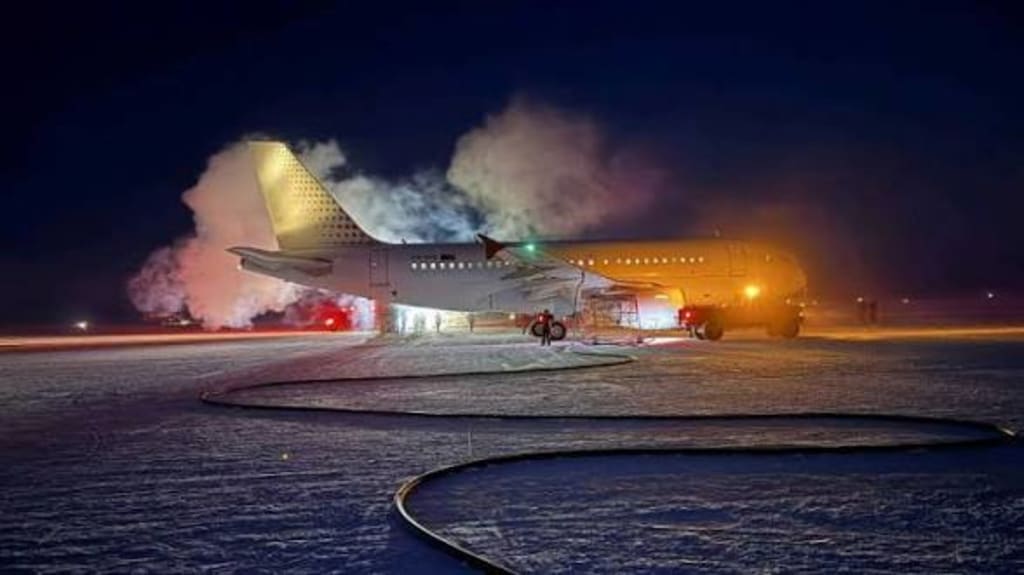
A dramatic mid-winter rescue mission has successfully evacuated a United States citizen from Antarctica, underscoring the extraordinary risks and logistical challenges involved in carrying out emergency operations on the world's coldest and most isolated continent. The evacuation required meticulous planning, favorable weather conditions, and the coordinated efforts of highly trained aviation crews capable of operating in one of the most hostile environments on Earth.
Antarctica is unlike any other place on the planet. During winter, temperatures can plunge below -60°C (-76°F), while extended periods of darkness and unpredictable weather make aviation operations exceptionally dangerous. Snowstorms, high winds, and poor visibility often prevent aircraft from landing or taking off for days or even weeks.
The rescue mission began after the American required urgent medical evacuation. Due to the continent's isolation, local medical facilities can stabilize patients but are not equipped to provide every form of advanced treatment. When specialized care becomes necessary, evacuation to hospitals outside Antarctica becomes the only viable option.
Planning such a mission is far more complicated than a standard medical flight. Rescue coordinators must evaluate weather forecasts across thousands of kilometers, identify suitable aircraft, ensure adequate fuel supplies, and prepare crews for extreme cold and challenging navigation conditions. Every detail is carefully reviewed because unexpected changes in weather can quickly turn a rescue mission into a dangerous operation.
Aircraft used in Antarctic rescues are specially selected for their ability to operate on icy runways and withstand freezing temperatures. Pilots receive specialized training to fly in polar regions, where magnetic navigation can be unreliable and visual references are often limited by darkness and blowing snow.
The success of this evacuation also depended on extensive international cooperation. Antarctic research stations, national polar programs, meteorological experts, and aviation specialists frequently work together regardless of nationality when emergencies arise. Human safety takes priority over national boundaries, reflecting the collaborative spirit established under the Antarctic Treaty System.
Medical personnel played a critical role throughout the operation. Before departure, healthcare professionals assessed the patient's condition, provided emergency treatment, and determined that evacuation was medically necessary. During the flight, trained medical staff continuously monitored the patient's vital signs and delivered care while coping with the unique challenges of long-distance transport in freezing conditions.
The Antarctic environment leaves little room for error. Aircraft often have only narrow weather windows in which to land safely. Strong crosswinds, drifting snow, and rapidly changing visibility require pilots to make precise decisions. If conditions deteriorate unexpectedly, crews may have no choice but to delay or divert the mission.
Modern technology has significantly improved the safety of polar rescue operations. Advanced satellite communications, high-resolution weather forecasting, GPS navigation, and real-time monitoring systems allow rescue coordinators to make informed decisions. Even so, technology cannot eliminate the risks posed by Antarctica's extreme climate.
Medical evacuations from Antarctica remain relatively rare because access to the continent is tightly controlled and research stations maintain comprehensive health screening before deployment. Scientists, engineers, military support staff, and logistics personnel typically undergo medical examinations before traveling south to reduce the likelihood of serious health emergencies during the winter season.
The successful evacuation demonstrates the importance of maintaining emergency preparedness in remote regions. Governments and polar research organizations regularly conduct training exercises, develop contingency plans, and invest in specialized equipment to ensure they can respond rapidly when emergencies occur.
Climate researchers note that while Antarctica remains one of Earth's harshest environments, scientific activity continues to grow. Researchers study climate change, glaciology, astronomy, marine ecosystems, and atmospheric science throughout the year. Their work provides valuable insights into global environmental changes that affect weather, sea levels, and ecosystems worldwide.
As scientific operations expand, so does the importance of reliable emergency response capabilities. Investments in improved aviation infrastructure, communication systems, and international cooperation help ensure researchers and support personnel can work safely despite the continent's challenging conditions.
This daring mid-winter evacuation serves as a reminder of both the resilience of emergency responders and the remarkable coordination required to save lives in one of the world's most inaccessible locations. While Antarctica presents extraordinary obstacles, advances in aviation, medicine, and international collaboration continue to make complex rescue missions increasingly effective.
The successful rescue highlights humanity's commitment to protecting life, even in the most remote corners of the globe. It also showcases the professionalism of the pilots, medical teams, weather specialists, and logistics experts whose combined efforts transformed a high-risk mission into a life-saving success. As exploration and scientific research continue across Antarctica, such preparedness will remain essential for ensuring the safety of everyone working on the frozen continent.
About the Creator
Enjoyed the story? Support the Creator.
Subscribe for free to receive all their stories in your feed.
Comments
There are no comments for this story
Be the first to respond and start the conversation.