
US Aircraft Carrier Heads to Middle East to Relieve USS Abraham Lincoln Amid Mounting Concerns
USS George Washington is moving toward the Middle East as the USS Abraham Lincoln faces scrutiny over its unusually long deployment and reported problems affecting sailors.
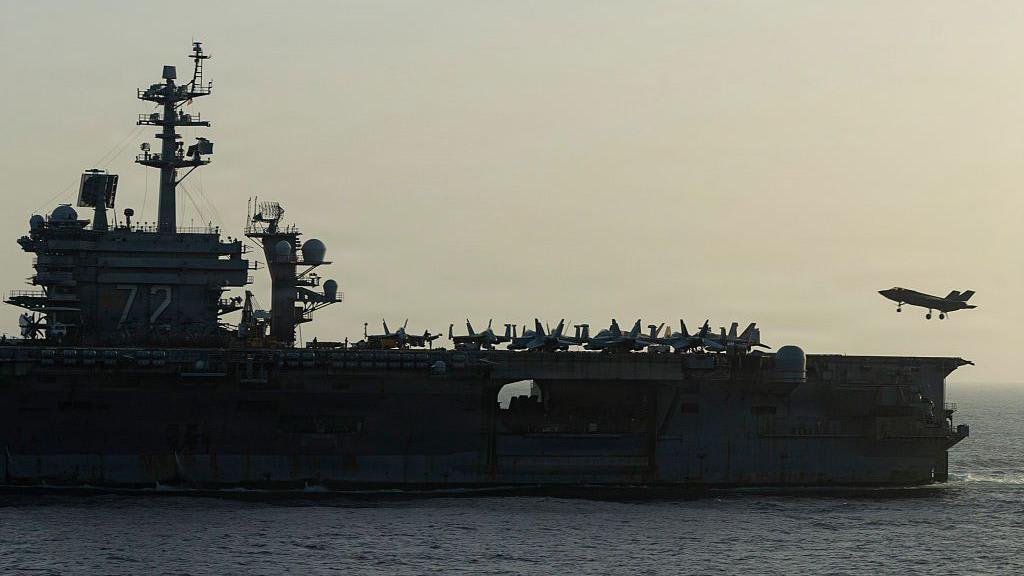
The United States Navy is moving a fresh aircraft carrier toward the Middle East to replace the USS Abraham Lincoln, which has remained at sea for an unusually long period while supporting U.S. military operations connected to the conflict with Iran. The incoming USS George Washington is expected to provide relief as attention increasingly focuses on the conditions faced by the Lincoln’s crew.
The development comes at a sensitive moment for the U.S. Navy. The Abraham Lincoln has been deployed since November 2025 and has spent an exceptionally long period away from port. Reports from sailors, relatives and lawmakers have raised questions about food and water supplies, plumbing, personal necessities, mail services, working hours and the mental wellbeing of the approximately 5,000 personnel aboard.
USS George Washington Moves Toward the Middle East
The USS George Washington, a Nimitz-class nuclear-powered aircraft carrier, has been operating in the Indo-Pacific but is now heading toward the Middle East. According to reports, the ship departed Vietnam and is moving through the Strait of Malacca toward the Indian Ocean before continuing toward the region.
The arrival of another carrier will allow the Navy to rotate personnel and maintain a carrier-based military presence without requiring the Abraham Lincoln to remain deployed indefinitely.
U.S. officials have indicated that the replacement was planned, rather than being solely an emergency response to recent reports about conditions aboard the Lincoln. Nevertheless, the timing has intensified public attention because the Lincoln’s extended deployment has become a major subject of political and media scrutiny.
Why the USS Abraham Lincoln Is Under Scrutiny
Aircraft carriers are designed to operate for extended periods, particularly during wartime. However, normal deployments also involve opportunities for replenishment, maintenance and crew rest. Family members of Lincoln sailors have said the ship has gone through an unusually demanding period with limited opportunities for port visits.
Reports have described shortages or disruptions involving food, water and personal supplies. Other accounts have raised concerns about plumbing problems, sanitation and delayed mail. Some family members have also expressed worries about the psychological pressure created by long hours and extended time away from home.
The reports have prompted lawmakers to demand answers from the Pentagon and Navy leadership. Senator Richard Blumenthal has called for greater scrutiny of the circumstances surrounding the deployment and the welfare of the sailors aboard the carrier.
Mental Health Concerns Add to the Pressure
Mental health has become one of the most serious issues surrounding the controversy. Reports have described distress among some sailors and alleged incidents involving personnel going overboard.
The Navy has disputed claims that there is a widespread mental-health crisis aboard the ship. U.S. officials have also rejected some reports circulating online and in foreign media concerning alleged deaths and other incidents aboard the carrier. One sailor who went overboard was rescued, and the circumstances remain under investigation.
Defense Secretary Pete Hegseth has argued that media descriptions of conditions aboard the Lincoln have been significantly misrepresented. He has defended the Navy's ability to operate under difficult wartime circumstances while acknowledging that carrier crews eventually need to be rotated.
This disagreement highlights an important challenge for military organizations: maintaining operational readiness while also protecting the physical and psychological wellbeing of service members.
Strategic Importance of the Carrier Rotation
The replacement is important not only for the sailors aboard the Lincoln but also for U.S. military strategy in the Middle East. Aircraft carriers provide mobile airpower, command-and-control capabilities and logistical support without requiring the United States to rely entirely on land-based facilities.
The Abraham Lincoln has played an important role in maintaining U.S. military pressure in the region. Replacing it with the George Washington allows Washington to preserve that capability while giving the Lincoln’s crew an opportunity to return home and recover.
However, moving the George Washington from the Pacific also creates a strategic trade-off. The carrier's departure temporarily reduces the number of U.S. aircraft carriers available in the Indo-Pacific, a region where Washington continues to monitor China's military activity.
A Test of U.S. Navy Readiness
The situation involving the Abraham Lincoln reflects a broader challenge facing modern navies. Aircraft carriers are extremely valuable strategic assets, but maintaining them continuously at sea requires enormous amounts of fuel, food, spare parts, maintenance and manpower.
Long deployments can also place significant pressure on sailors who may spend months away from their families with limited opportunities to rest. If operational demands continue increasing, military planners must balance immediate strategic requirements against long-term readiness and personnel retention.
The Navy's ability to rotate carriers demonstrates that the United States still possesses significant global reach. At the same time, the controversy surrounding the Lincoln illustrates the human cost of sustaining that reach during prolonged military operations.
What Happens Next?
The USS George Washington's arrival should eventually allow the Abraham Lincoln to leave the region and begin its journey home. The exact timing of the transition will depend on operational requirements and conditions in the Middle East.
For the Navy, the next challenge will be determining whether the reported problems aboard the Lincoln were isolated consequences of an extraordinary deployment or symptoms of broader weaknesses in logistics, maintenance and crew support.
Congressional scrutiny is also likely to continue. Lawmakers have already called for greater transparency regarding the ship's conditions and the Navy's response to concerns raised by sailors and their families.
The carrier rotation therefore represents more than a routine change of ships. It is an important moment for the U.S. Navy to demonstrate that it can sustain demanding global operations while ensuring that the sailors responsible for those missions receive adequate support.
As the USS George Washington heads toward the Middle East, attention will remain focused on the safe return of the USS Abraham Lincoln and on whether lessons from its extraordinary deployment can improve the way future carrier missions are planned and managed.
About the Creator
Enjoyed the story? Support the Creator.
Subscribe for free to receive all their stories in your feed.
Comments
There are no comments for this story
Be the first to respond and start the conversation.