
Understanding the Anti‑Looter Kit: A Practical Home‑Preparedness Approach for 2026
A human-centered, expert perspective on a simple preparedness habit gaining attention in 2026.
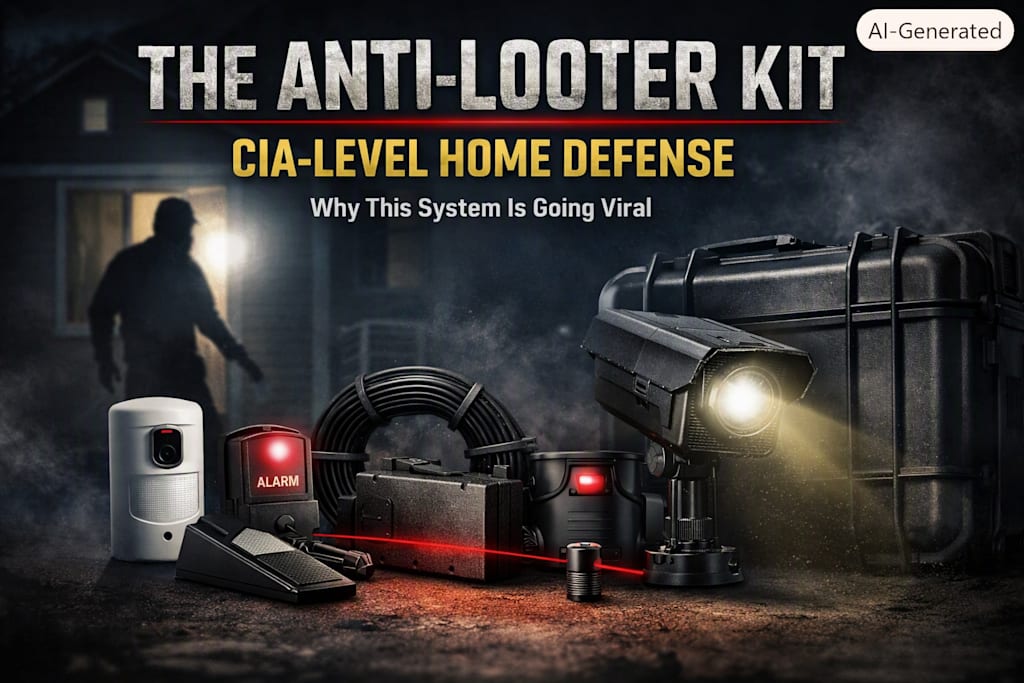
Introduction: Why Home Preparedness Is Evolving
In 2026, conversations around home safety are shifting. People are no longer relying solely on advanced alarm systems or high-tech devices to feel secure. Instead, many households are turning toward simpler, more accessible ways to stay prepared during unexpected situations. One of these emerging ideas is something often referred to as the Anti-Looter Kit — a term that may sound dramatic at first, but whose meaning is far more practical and grounded than it appears.
The concept is not a product, not a brand, and not a tactical system. It is a method of organization, a way of gathering a few essential items that help a household respond calmly and effectively during moments of uncertainty. Whether it’s a power outage, a severe storm, or a brief moment of confusion in a neighborhood, having a small, accessible kit can make a meaningful difference.
This article explores the idea in a balanced, human way — without exaggeration, without fear-based language, and without commercial intent. It is written for readers who want clarity, not drama; practicality, not panic.
A Personal Moment That Changes Everything
Everyone has a moment when they realize their home is not as prepared as they thought.
For me, it happened one winter evening during a sudden power outage. The entire neighborhood went dark in seconds. I remember opening drawers, checking shelves, trying to find a flashlight I was sure I owned — but I couldn’t locate it anywhere. The house felt strangely unfamiliar without light, and that small moment of confusion made me understand how unprepared I actually was.
It wasn’t a dramatic situation. Nothing dangerous happened. But that brief scramble in the dark stayed with me. It made me realize that preparedness isn’t about expecting the worst — it’s about avoiding unnecessary stress when the unexpected happens.
That simple experience is what led me to explore the idea of organizing a small kit at home. And it’s the same kind of moment that has encouraged many others to adopt similar habits.
What the “Anti-Looter Kit” Really Means
The term “Anti-Looter Kit” can be misleading if taken literally. It does not refer to confrontation, defense tools, or anything resembling a weapon. Instead, it describes a home-preparedness kit focused on visibility, communication, and quick response.
Most households already own many of the items that appear in such a kit. The concept simply encourages people to gather them in one place, making them easy to access during stressful moments.
Common items include:
a reliable flashlight,
a portable alarm or noise-making device,
a small first-aid kit,
a backup battery pack,
a simple tool for temporary door reinforcement,
a lamp or emergency light,
and sometimes a notebook with important numbers.
Nothing here is extreme or specialized. These are everyday objects that become far more useful when they are organized.
Why This Concept Is Growing in 2026
Preparedness has always existed, but the way people approach it has evolved. Instead of focusing on extreme scenarios, many households now prioritize practical, everyday readiness. Several factors explain why the Anti-Looter Kit concept is gaining attention.
More Frequent Power Outages
In many regions, power cuts have become more common due to storms, heatwaves, infrastructure strain, or maintenance issues. When the lights go out, visibility becomes the first priority. A strong flashlight or portable lamp can instantly reduce confusion and help people assess their surroundings.
Emergency Services Can Be Delayed
During large-scale events — storms, floods, or widespread outages — emergency response times can increase. Having basic tools at home helps bridge the gap until help arrives.
People Want Simple, Realistic Preparedness
Not everyone wants a full survival kit or advanced equipment. A small, organized set of essentials feels more accessible and less intimidating.
Social Media Amplifies Practical Ideas
Short videos showing “home-preparedness kits” have made the concept more visible. People see others organizing their tools and think, “I could do that too.”
Families Want Peace of Mind
Preparedness is not about expecting the worst. It is about reducing stress during moments when things feel uncertain.
What an Effective Kit Looks Like
There is no official version of an Anti-Looter Kit. Each household adapts it to its own needs, environment, and comfort level. However, most people who build one focus on three priorities: visibility, noise, and communication.
Visibility
Light is one of the most effective tools during emergencies. A bright flashlight, a portable LED lamp, or even a headlamp can help you navigate your home safely.
Noise
A small alarm or noise-making device can alert neighbors or scare off individuals who might take advantage of a chaotic moment.
Communication
Staying connected is essential. A charged phone, a backup battery, or a small emergency radio ensures that you can call for help or receive updates.
Basic Safety Tools
Simple items like a door-reinforcement bar or a window lock can add temporary protection during a chaotic moment.
First-Aid Essentials
Bandages, antiseptic wipes, and basic medical supplies are always useful.
How People Build Their Own Kit
One of the strengths of the Anti-Looter Kit concept is its accessibility. You don’t need to buy anything special. Most people start with what they already have at home.
It usually begins with a simple question:
“If the lights went out right now, what would I need?”
From there, people gather a few objects in a box, a bag, or a dedicated drawer. They explain to their children where the kit is stored. They check the batteries from time to time. They add items gradually.
Preparedness becomes a habit, not a project.
The Human Side of Preparedness
Beyond tools and equipment, preparedness has an emotional dimension. During uncertain moments, people want to feel grounded and capable. A small kit can provide that reassurance.
It also encourages communication within households. Parents can explain the purpose of the kit to children in a calm, educational way. Couples can discuss simple plans without stress. Neighbors can share ideas and help each other stay ready.
Preparedness becomes a community mindset rather than an individual concern.
Why This Concept Matters Today
The Anti-Looter Kit is not about expecting the worst. It is about reducing confusion during moments when things feel uncertain.
Preparedness brings:
calm,
clarity,
and confidence.
Even if the kit is never used, many people appreciate the peace of mind it provides.
A Calm, Practical Approach to Safety
It’s important to remember that this concept is not a replacement for professional security systems or emergency services. It’s simply a practical, accessible idea that helps households stay organized.
Most people who adopt it do so for everyday reasons:
frequent storms,
occasional power cuts,
children at home,
or simply a desire to feel more prepared.
There is nothing extreme or sensational about it. It is a calm, thoughtful approach to home safety.
Conclusion
The Anti-Looter Kit is best understood as a small, organized home-preparedness kit. It reflects a growing interest in practical safety, not fear or exaggeration. By gathering a few essential items and keeping them in one place, households can respond more calmly and effectively during unexpected situations.
Preparedness doesn’t need to be complicated. Sometimes, the simplest ideas are the most helpful.
About the Creator
abidi
I write about practical preparedness and everyday safety with a human, down‑to‑earth voice. More of my work here: https://linktr.ee/hnajet32
Enjoyed the story? Support the Creator.
Subscribe for free to receive all their stories in your feed.
Comments
There are no comments for this story
Be the first to respond and start the conversation.