
Ukraine’s Strike on an Iranian Ship Could Bring Two Wars Closer
A Ukrainian strike on an Iranian-linked vessel raises fears that alliances, military support networks, and tensions between the Ukraine war and Middle East conflicts could become increasingly connected.”
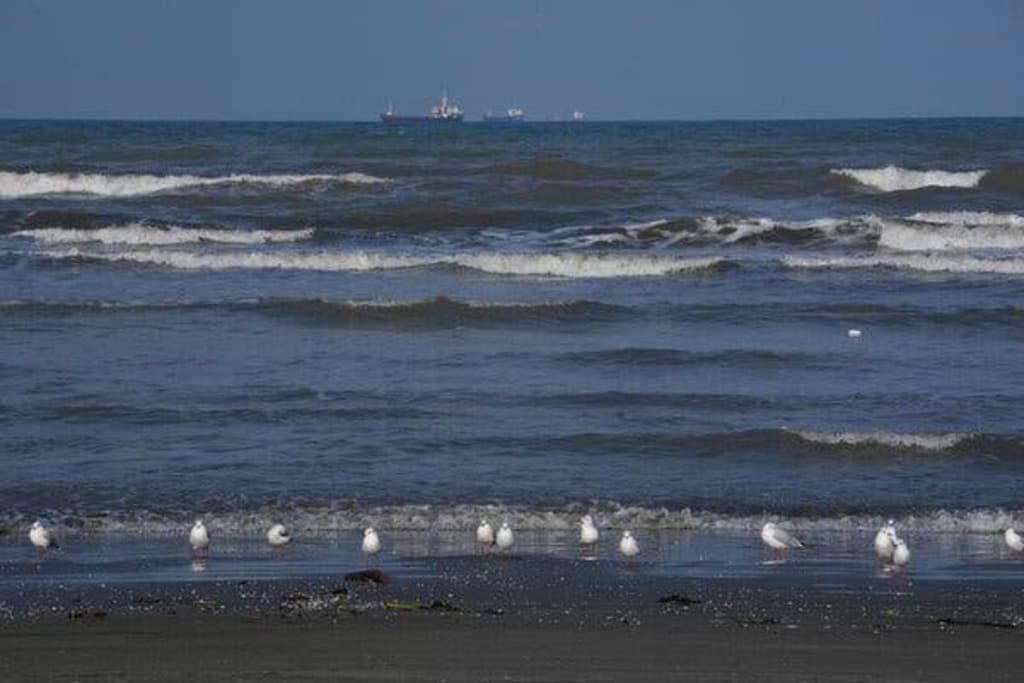
A reported Ukrainian strike targeting an Iranian-linked vessel has raised concerns that two separate conflicts — the war in Ukraine and tensions in the Middle East — could become increasingly connected. The incident has drawn international attention because it highlights the growing links between Russia’s war effort, Iran’s regional role, and the wider competition between global powers.
For more than two years, the war in Ukraine has expanded beyond traditional battlefield lines. While the conflict began as a confrontation between Russia and Ukraine, it has increasingly involved international networks of military support, technology exchanges, and diplomatic alliances. Iran’s relationship with Russia has become one of the most closely watched developments, particularly because of cooperation involving drones and other military equipment.
The reported strike on an Iranian ship has added another layer of complexity. Analysts say that attacks involving vessels connected to foreign partners can carry consequences beyond the immediate military target. They may influence diplomatic relations, increase tensions between governments, and create new risks for international security.
Ukraine has repeatedly targeted assets that it believes support Russia’s military operations. Kyiv argues that weakening Russia’s supply networks is essential to reducing Moscow’s ability to continue the war. Ukrainian officials have previously stated that military cooperation between Russia and countries such as Iran represents a serious challenge to their national security.
Iran has become an important partner for Russia during the Ukraine conflict. Western governments have accused Tehran of providing military assistance, including drones that Russia has used in attacks against Ukrainian cities and infrastructure. Iran has denied some Western accusations, while maintaining that its cooperation with Russia is focused on legitimate defence and diplomatic relations.
The possibility of Ukrainian action affecting Iranian interests introduces the risk of broader confrontation. While Ukraine’s main objective remains defending its territory against Russia, any strike involving Iranian-linked targets could create pressure for Tehran to respond politically or diplomatically.
Experts warn that modern conflicts are increasingly interconnected. A military action in one region can quickly influence another because countries involved in global rivalries often support partners in multiple conflicts. The Ukraine war and Middle East tensions are examples of how alliances and strategic interests overlap.
The Middle East has already experienced significant instability due to conflicts involving Israel, Iran-linked groups, and regional powers. Adding Ukraine-related tensions into this environment could complicate international efforts to prevent escalation.
However, analysts also point out that a single incident does not automatically mean a wider war will begin. Governments often respond through diplomatic channels, economic pressure, or limited actions rather than direct military confrontation. The level of escalation depends on political decisions made after the event.
For Ukraine, targeting military supply routes is part of a broader strategy aimed at reducing Russia’s capabilities. Kyiv has argued that international partners supporting Moscow contribute to the continuation of the conflict. Ukrainian officials have repeatedly called on allies to increase pressure on countries helping Russia’s war effort.
For Iran, the incident could become another challenge in its relationship with Western countries. Tehran has faced years of sanctions and political disputes with the United States and its allies. Any new confrontation involving Ukraine could increase diplomatic pressure and affect regional calculations.
Russia is also closely watching developments. Moscow has strengthened ties with Iran as it faces isolation from many Western countries. Cooperation between the two nations has expanded in areas including defence, energy, and trade. A direct challenge to Iranian-linked assets connected to Russia’s interests could become a sensitive issue for the Kremlin.
International observers are concerned that increasing connections between conflicts could make crisis management more difficult. As more countries become involved indirectly, the possibility of misunderstandings and unexpected responses grows.
The situation also demonstrates the changing nature of modern warfare. Conflicts are no longer limited to traditional battlefields. Cyber operations, economic sanctions, weapons supply chains, and attacks on strategic assets have become major parts of international competition.
The coming weeks will be important in determining whether the incident remains an isolated event or becomes part of a larger confrontation. Diplomatic reactions from Ukraine, Iran, Russia, and other global powers will shape the next phase.
Ultimately, the reported strike highlights a dangerous reality: conflicts that appear separate can become connected through alliances, technology, and geopolitical interests. The war in Ukraine and tensions in the Middle East are being influenced by many of the same global rivalries, making careful diplomacy increasingly important.
As nations respond to this latest development, the world will be watching closely to see whether it becomes a turning point or simply another moment in an already complicated era of international conflict.
About the Creator
Enjoyed the story? Support the Creator.
Subscribe for free to receive all their stories in your feed.
Comments
There are no comments for this story
Be the first to respond and start the conversation.