
Ukraine and Russia Face New Challenges as War Enters Another Critical Phase
Military developments and diplomatic efforts continue to shape the future of the conflict.
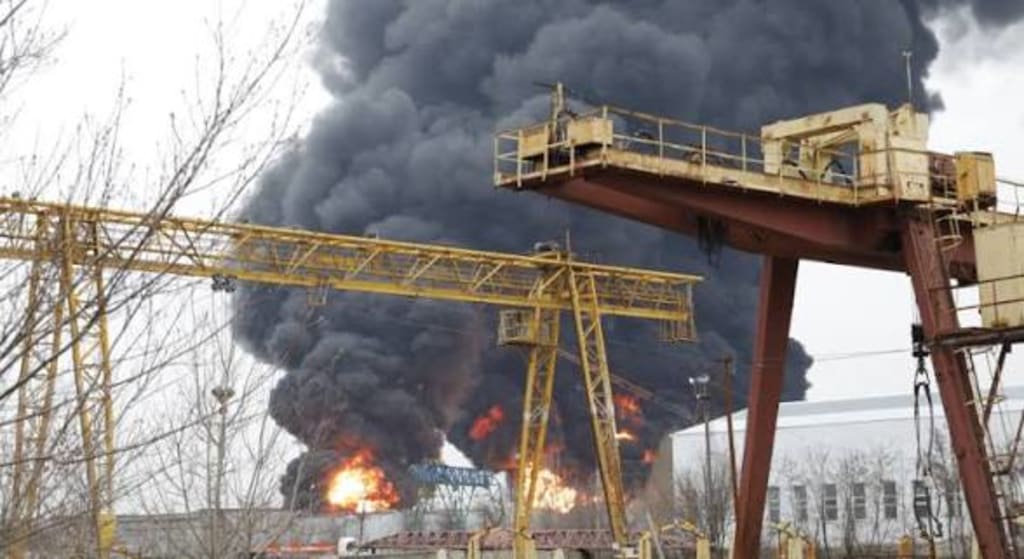
The war between Ukraine and Russia continues to remain one of the world’s most significant geopolitical challenges, with ongoing military operations, diplomatic efforts, and international debates shaping the future of the conflict. As fighting continues, both sides are facing pressure over resources, strategy, and the long-term direction of the war.
Since Russia launched its full-scale invasion of Ukraine, the conflict has caused widespread destruction, displaced millions of people, and created major security concerns across Europe and beyond. The war has also affected global energy markets, food supplies, and international relations.
Ukrainian forces continue to defend their territory while receiving support from international partners. Western countries have provided military equipment, financial assistance, and humanitarian aid to help Ukraine maintain its defense capabilities. These efforts have played a major role in shaping the course of the conflict.
Russia, meanwhile, has continued its military operations while relying on its own industrial and military resources. Moscow has repeatedly stated that its actions are aimed at protecting its national interests, while Ukraine and its allies describe the invasion as a violation of Ukrainian sovereignty.
The battlefield situation remains complex, with neither side achieving a decisive victory. Military analysts say the conflict has developed into a long-term struggle involving advanced weapons, intelligence operations, and large-scale defense strategies.
One of the biggest challenges facing Ukraine is maintaining military strength over an extended period. The country depends heavily on international support, and discussions among allies continue regarding future assistance, weapons supplies, and financial commitments.
Russia has also faced significant challenges, including international sanctions, economic pressure, and diplomatic isolation from many Western countries. However, Moscow has continued efforts to maintain its military campaign and strengthen relationships with some international partners.
Diplomatic efforts to end the conflict have continued at different levels, but reaching an agreement remains extremely difficult. Major disagreements over territory, security guarantees, and political conditions have prevented a lasting peace agreement from being reached.
International leaders have repeatedly called for negotiations and a peaceful resolution. However, both Ukraine and Russia have maintained positions that reflect their own security concerns and political objectives.
The humanitarian impact of the war remains severe. Millions of Ukrainians have been forced to leave their homes, while many communities have suffered damage to housing, schools, hospitals, and infrastructure. Humanitarian organizations continue working to provide food, medical support, and emergency assistance.
The conflict has also affected countries far from the battlefield. Europe has faced energy challenges, while global markets have experienced uncertainty due to disruptions involving grain exports, fuel supplies, and trade routes.
Food security has been a major concern because Ukraine is one of the world’s important agricultural producers. Disruptions caused by the war have affected farmers, exporters, and countries that depend on Ukrainian agricultural products.
The role of technology in modern warfare has also become increasingly important. Both sides have used drones, cyber operations, satellite information, and advanced military systems. Experts say the conflict demonstrates how future wars may increasingly rely on technological capabilities.
Political developments in the United States, Europe, and other countries continue to influence the international response to the war. Elections, public opinion, and economic conditions can affect decisions regarding military and financial support.
Analysts believe that the future of the conflict will depend on several factors, including battlefield developments, international support, economic pressure, and diplomatic negotiations.
Some experts suggest that a long-term solution may require compromises from multiple sides, while others argue that security guarantees and territorial issues must be addressed before meaningful progress can occur.
For ordinary Ukrainians and Russians affected by the war, the conflict represents a continuing humanitarian tragedy. Families remain separated, communities face uncertainty, and millions of people continue hoping for an end to the violence.
As the war moves forward, global attention remains focused on Ukraine and Russia. The outcome of the conflict could influence international security, political relationships, and the future balance of power in Europe.
While the path toward peace remains uncertain, diplomatic efforts and international discussions continue. The coming months will be critical in determining whether the conflict moves toward negotiation or enters another prolonged period of confrontation.
About the Creator
Enjoyed the story? Support the Creator.
Subscribe for free to receive all their stories in your feed.
Comments
There are no comments for this story
Be the first to respond and start the conversation.