
Trump's Iran dilemma: He's stuck in war with no exit in sight
As tensions with Iran continue to challenge U.S. foreign policy, Donald Trump faces the difficult task of balancing military pressure, diplomacy, and the risks of a wider regional conflict.
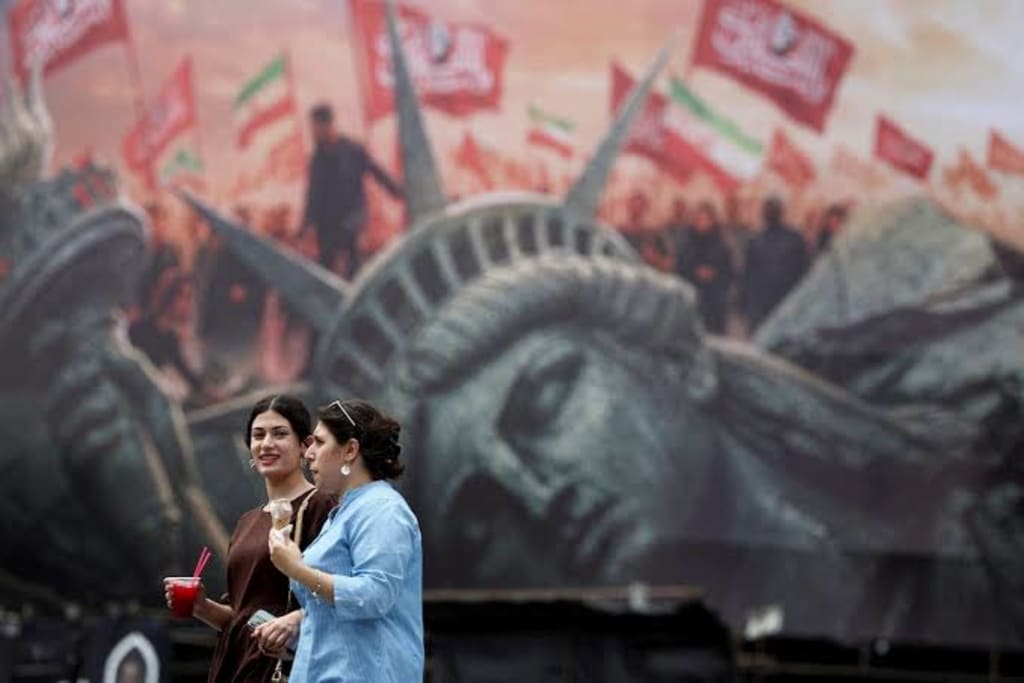
The relationship between the United States and Iran has remained one of the most complicated geopolitical challenges in the Middle East for decades. For Donald Trump, managing tensions with Tehran has created a difficult strategic dilemma: how to apply pressure on Iran while avoiding a prolonged conflict that could become costly, unpredictable, and politically damaging.
Trump has long promoted a foreign policy approach focused on strong negotiation positions, economic pressure, and military strength. However, dealing with Iran presents a unique challenge because the country has significant regional influence, advanced military capabilities, and a network of allies across the Middle East. Any escalation carries the possibility of affecting global energy markets, international security, and American interests abroad.
The central challenge for Washington is finding a balance between deterrence and diplomacy. A military campaign against Iran could weaken some of its capabilities, but it could also trigger retaliation against U.S. forces, allies, and regional partners. On the other hand, reducing pressure without achieving strategic goals could be viewed as a sign of weakness by opponents.
Iran has historically resisted foreign pressure and has developed a strategy based on regional influence, asymmetric warfare, and partnerships with allied groups. Its leadership has argued that maintaining military and political strength is necessary to protect national sovereignty and counter external threats.
For the United States, Iran’s activities in the region have remained a major concern. Washington has criticized Tehran’s missile programs, regional activities, and policies toward neighboring countries. American officials have repeatedly stated that protecting U.S. personnel and allies remains a key priority.
One of the most difficult aspects of the Iran challenge is that there is rarely a simple military solution. Unlike traditional conflicts between clearly defined armies, tensions involving Iran often involve diplomatic disputes, economic sanctions, cyber operations, intelligence activities, and regional alliances.
Economic sanctions have been a major tool used by the United States to pressure Iran. Supporters argue that sanctions can influence government behavior by limiting financial resources and increasing economic pressure. Critics, however, argue that sanctions can also affect ordinary citizens and may not always achieve political objectives.
Trump’s approach has often emphasized maximum pressure, but the effectiveness of such strategies depends on broader geopolitical conditions. Iran has continued seeking partnerships with other countries, expanding diplomatic relationships, and adapting to economic restrictions.
A major concern for policymakers is the possibility of escalation. A limited confrontation can quickly become more serious if there are attacks on military forces, energy infrastructure, or strategic locations. The Middle East’s interconnected security environment means that actions by one country can create consequences far beyond its borders.
The challenge is also political. Any decision involving Iran carries domestic consequences in the United States. Some voters support a strong approach against Tehran, while others oppose military involvement and prefer diplomatic solutions. Political leaders must consider public opinion, congressional views, and long-term national interests.
Diplomacy remains a possible pathway, even during periods of high tension. Previous negotiations between Iran and world powers demonstrated that agreements can be reached under certain conditions. However, rebuilding trust after years of confrontation remains extremely difficult.
Regional allies also influence U.S. decision-making. Countries in the Middle East have different views on how to manage Iran’s influence. Some favor stronger military pressure, while others support dialogue and regional cooperation. Washington must consider these competing interests when developing its strategy.
Another factor complicating the situation is the global economy. The Middle East remains central to international energy supplies, and any major conflict involving Iran could affect oil prices, shipping routes, and global markets. Economic uncertainty can create pressure on governments to seek stability.
Military experts often argue that deterrence requires clear communication and careful planning. While maintaining strong defense capabilities can discourage attacks, miscalculations between rival countries can create dangerous situations. Preventing accidental escalation is therefore a major priority for international security officials.
The Iran issue also reflects a broader question about America’s role in the world. Policymakers continue debating whether the United States should rely primarily on military strength, economic pressure, diplomacy, or a combination of all three.
For Trump, the Iran dilemma represents a complex foreign policy test. Achieving political goals without becoming trapped in a long-term conflict requires careful strategy and flexibility. A decision that appears strong in the short term could create unexpected consequences if not supported by a clear long-term plan.
As tensions continue, the future of U.S.-Iran relations remains uncertain. The possibility of diplomacy exists, but so do risks of further confrontation. The challenge for Washington is finding a path that protects national interests while avoiding a conflict with consequences that could extend across the region and beyond.
Ultimately, the Iran question demonstrates the difficulty of modern geopolitics. Military power, economic influence, and diplomatic negotiation are all connected, and success requires more than pressure alone. For Trump and future U.S. leaders, managing Iran will remain one of the most demanding foreign policy challenges of the era.
About the Creator
Enjoyed the story? Support the Creator.
Subscribe for free to receive all their stories in your feed.
Comments
There are no comments for this story
Be the first to respond and start the conversation.