
Trump Backs Away From Deal to Let Ukraine Build Patriot Missiles
Uncertainty grows over a proposed missile production partnership as Ukraine seeks stronger air defenses against Russian attacks. Washington’s shift raises questions about Ukraine’s future access to advanced Patriot missile technology. The decision highlights the challenges of balancing military support, defense production, and U.S. foreign policy priorities. Ukraine’s hopes for domestic Patriot missile production face setbacks amid changing political calculations in Washington. The proposed deal aimed to strengthen Ukraine’s air defense capabilities but now faces an uncertain future.
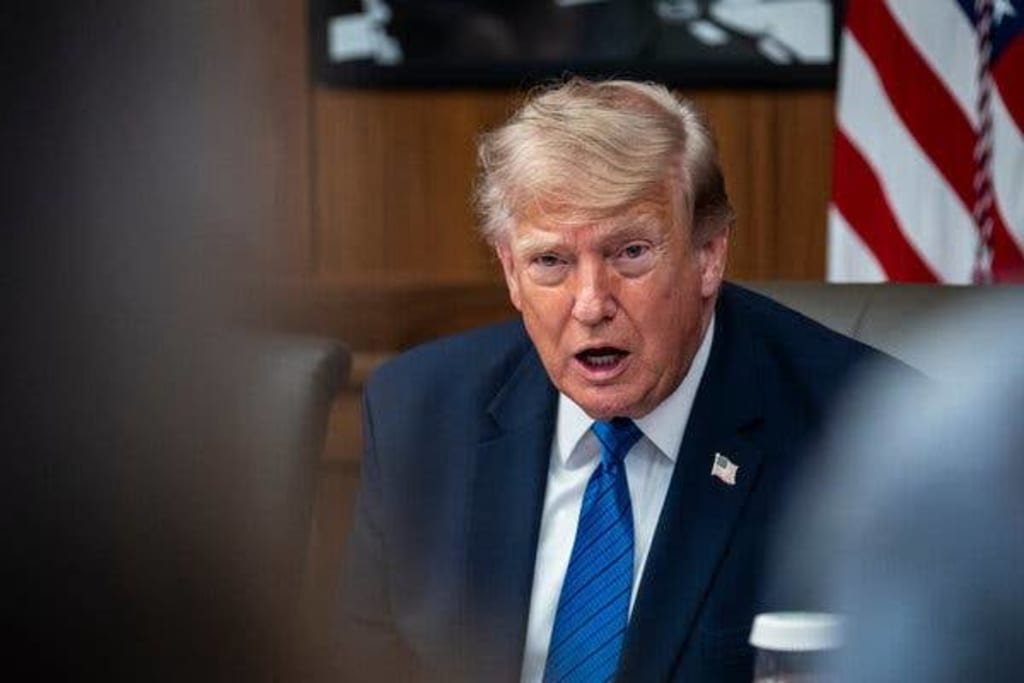
Washington Reconsiders Proposed Missile Production Arrangement as Questions Grow Over Ukraine’s Long-Term Air Defense Needs
A proposed agreement that would have allowed Ukraine to expand domestic production of Patriot missile systems has reportedly faced uncertainty after former U.S. President Donald Trump moved away from supporting the arrangement. The decision has raised new questions about Washington’s approach to Ukraine’s military needs, particularly its ability to defend against continued missile and drone attacks from Russia.
The Patriot air defense system remains one of the most advanced missile interception platforms in the world. Ukraine has repeatedly requested additional Patriot batteries and greater access to missile technology as Russian forces continue launching aerial attacks against Ukrainian cities, military facilities, and critical infrastructure.
The potential deal was viewed by Ukrainian officials as a major step toward strengthening the country’s defense independence. Instead of relying entirely on shipments from foreign partners, domestic production could have allowed Ukraine to maintain a more reliable supply of interceptors and reduce pressure on allied stockpiles.
However, the proposal reportedly encountered political resistance as concerns grew in Washington over technology transfers, production capacity, costs, and the broader direction of U.S. involvement in the conflict. Trump and his advisers have previously emphasized reducing long-term American commitments overseas and encouraging allies to take greater responsibility for their own defense.
The Patriot system is produced by a partnership involving major U.S. defense companies, including and other contractors. Any decision allowing foreign production would require careful agreements covering technology protection, manufacturing standards, and export controls.
Supporters of the proposed arrangement argued that enabling Ukraine to produce Patriot missiles could benefit both countries. Ukraine would gain a more sustainable defense capability, while the United States could strengthen a partner’s ability to protect itself without relying solely on direct military shipments.
Military analysts have noted that Ukraine’s air defense challenge is enormous. Russia has increasingly used combinations of cruise missiles, ballistic missiles, and drones to strike targets across Ukraine. Patriot systems have played a crucial role in intercepting some of the most dangerous threats, including advanced missiles that are difficult for older air defense systems to defeat.
Ukraine’s demand for additional Patriot interceptors has increased as the war continues. Officials in Kyiv have repeatedly warned that shortages of air defense ammunition create risks for civilian populations and important infrastructure such as power facilities and transportation networks.
The possible cancellation or delay of a missile production agreement has therefore caused concern among Ukrainian officials and some European allies. They argue that long-term security requires more than emergency weapons deliveries and that Ukraine needs the ability to maintain its own defense systems.
Trump’s position reflects a broader debate within U.S. politics over support for Ukraine. While many lawmakers continue to support military assistance, others have questioned the financial cost and the extent of America’s involvement in the conflict. Trump has previously called for negotiations to end the war and has criticized what he considers unlimited foreign commitments.
The issue also comes at a time when the United States is balancing its own military requirements. American defense planners must consider maintaining sufficient missile inventories for potential conflicts elsewhere, including rising tensions in the Indo-Pacific region and other security challenges.
Patriot missile production is a complex process requiring advanced technology, specialized components, and strict quality control. Expanding production capacity has been a priority for several countries facing growing security threats, but creating new manufacturing lines can take years.
For Ukraine, the ability to manufacture or assemble parts of the Patriot system would represent a significant change in its defense strategy. It would move the country closer to becoming a long-term security partner capable of producing some of the equipment needed to protect its territory.
European nations have also increased their support for Ukraine’s defense needs, including efforts to provide additional air defense capabilities. However, the Patriot system remains heavily dependent on U.S. technology and manufacturing expertise, making Washington’s decisions especially important.
The uncertainty surrounding the missile production proposal highlights the complicated relationship between military assistance, industrial capacity, and foreign policy. Decisions made in Washington can directly influence Ukraine’s ability to defend its cities and infrastructure against future attacks.
Ukrainian officials are expected to continue discussions with the United States and other allies regarding alternative ways to strengthen air defense capabilities. Options could include additional missile deliveries, expanded European production partnerships, or different forms of technical cooperation.
Despite the setback, supporters of closer defense cooperation argue that helping Ukraine develop stronger domestic capabilities could reduce the burden on allies over time. They believe investment in Ukrainian defense production could create a more sustainable security model.
Critics, however, argue that expanding advanced weapons production inside Ukraine could increase risks and deepen foreign involvement in the conflict. They maintain that diplomatic efforts should remain a priority alongside military planning.
As the war continues, air defense remains one of Ukraine’s most urgent priorities. The outcome of discussions over Patriot missile production will be closely watched by military officials, policymakers, and international observers.
The decision by Trump to step back from the proposed agreement represents another turning point in the debate over America’s role in Ukraine’s defense. Whether the plan is permanently abandoned or simply delayed remains uncertain, but the issue highlights the growing importance of advanced air defense technology in modern warfare.
For Ukraine, the challenge remains immediate: protecting its population and infrastructure while building a defense system capable of meeting future threats. The future of Patriot missile cooperation will be a key factor in determining how effectively Kyiv can respond to continued aerial attacks.
About the Creator
Enjoyed the story? Support the Creator.
Subscribe for free to receive all their stories in your feed.
Comments
There are no comments for this story
Be the first to respond and start the conversation.