
Trump and Netanyahu Hold Talks as Middle East Tensions Remain in Focus
Leaders discuss regional security, diplomacy, and the future of Middle East relations.
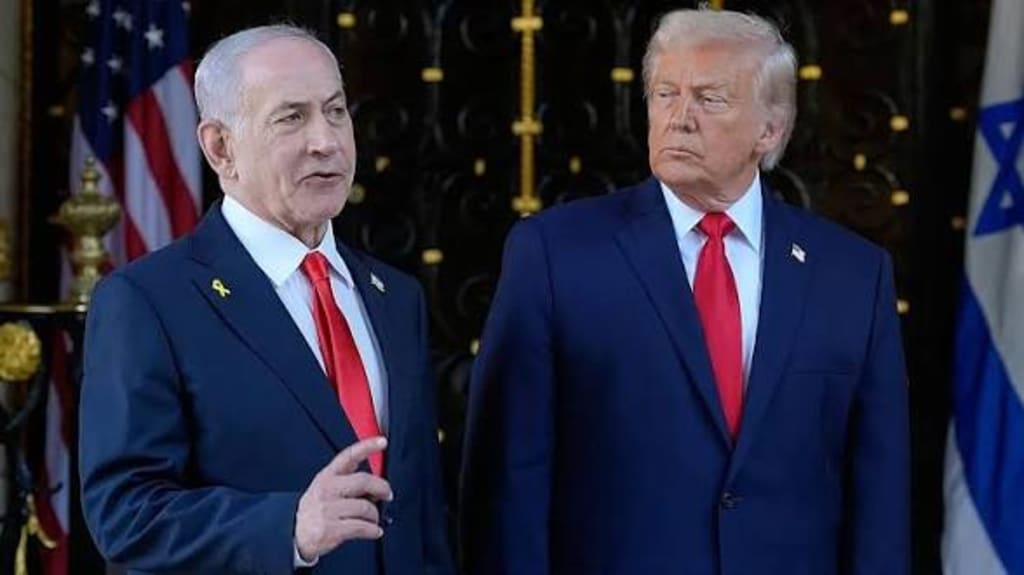
Former U.S. President Donald Trump and Israeli Prime Minister Benjamin Netanyahu have held discussions focused on Middle East security, diplomatic challenges, and the future direction of relations between the United States and Israel. The meeting attracted international attention as both leaders addressed some of the most complicated issues facing the region.
The talks came at a time of continued uncertainty across the Middle East, where conflicts, political disagreements, and security concerns remain major challenges. The relationship between Washington and Jerusalem has long been one of the most important partnerships in international politics, and meetings between U.S. and Israeli leaders often influence broader regional developments.
During the discussions, the leaders reportedly focused on security cooperation, threats from regional opponents, and efforts to address ongoing conflicts. Both sides emphasized the importance of maintaining strong ties and protecting their shared strategic interests.
The Middle East has experienced years of instability, with conflicts involving multiple countries and armed groups creating challenges for governments and civilians. Issues such as regional security, humanitarian concerns, and diplomatic negotiations continue to shape international discussions.
Trump has historically maintained a close relationship with Netanyahu and his government. During his previous administration, several major policy decisions affected U.S.-Israel relations and the wider Middle East, including changes in diplomatic positions and agreements involving regional countries.
Netanyahu has also emphasized the importance of strong international support for Israel’s security. Israeli officials have repeatedly stated that protecting the country from potential threats remains a central priority.
The meeting also drew attention because of the wider geopolitical environment. The United States plays a major role in Middle Eastern diplomacy, while Israel remains a key security partner for Washington. Decisions made by both governments can influence relationships with other countries in the region.
Analysts say that discussions between Trump and Netanyahu often carry significance beyond bilateral relations. Regional governments, international organizations, and political observers closely follow such meetings because they may signal future policy directions.
One major issue surrounding Middle East diplomacy is the ongoing search for stability and conflict resolution. Different governments have proposed various approaches, but disagreements over borders, security arrangements, and political recognition have made progress difficult.
The humanitarian impact of regional conflicts has also become a major concern. Millions of people across the Middle East have experienced displacement, economic hardship, and limited access to essential services. International organizations have repeatedly called for solutions that address both security concerns and humanitarian needs.
Supporters of stronger U.S.-Israel cooperation argue that close coordination helps protect regional stability and counter security threats. They believe diplomatic and military partnerships are necessary to address challenges from hostile groups and rival powers.
Critics, however, argue that U.S. policy in the region must also consider broader diplomatic goals and the concerns of all communities affected by conflict. They have called for balanced approaches that encourage negotiations and reduce tensions.
The meeting between Trump and Netanyahu also comes as global powers continue to debate the future of Middle East relations. Countries including those in Europe, the Gulf region, and beyond have interests connected to security, energy, trade, and political stability.
Economic factors also play an important role in regional politics. The Middle East remains a crucial area for global energy supplies, and instability can affect markets, transportation routes, and international business decisions.
Political experts note that strong statements from major leaders can influence public opinion and diplomatic negotiations. However, lasting solutions usually require cooperation among multiple countries and long-term commitments.
The future of U.S.-Israel relations will depend on several factors, including domestic politics, regional developments, and international pressure. While meetings between leaders can set the direction of policy, implementing major changes often requires complex negotiations.
For now, the Trump-Netanyahu meeting highlights the continued importance of the Middle East in global politics. As conflicts and diplomatic challenges continue, decisions made by influential leaders will remain closely watched around the world.
The discussions serve as another reminder that the region’s future depends on balancing security priorities, diplomatic efforts, and the search for lasting peace. With tensions continuing in several areas, international attention on Middle Eastern developments is unlikely to decrease in the near future.
About the Creator
Enjoyed the story? Support the Creator.
Subscribe for free to receive all their stories in your feed.
Comments
There are no comments for this story
Be the first to respond and start the conversation.