
Trump Administration Immigration Detention Lawsuit: Courts Push Back on Expanding Powers
Appeals court rulings challenge aggressive detention policies, reinforcing due process rights and exposing legal limits on immigration enforcement.

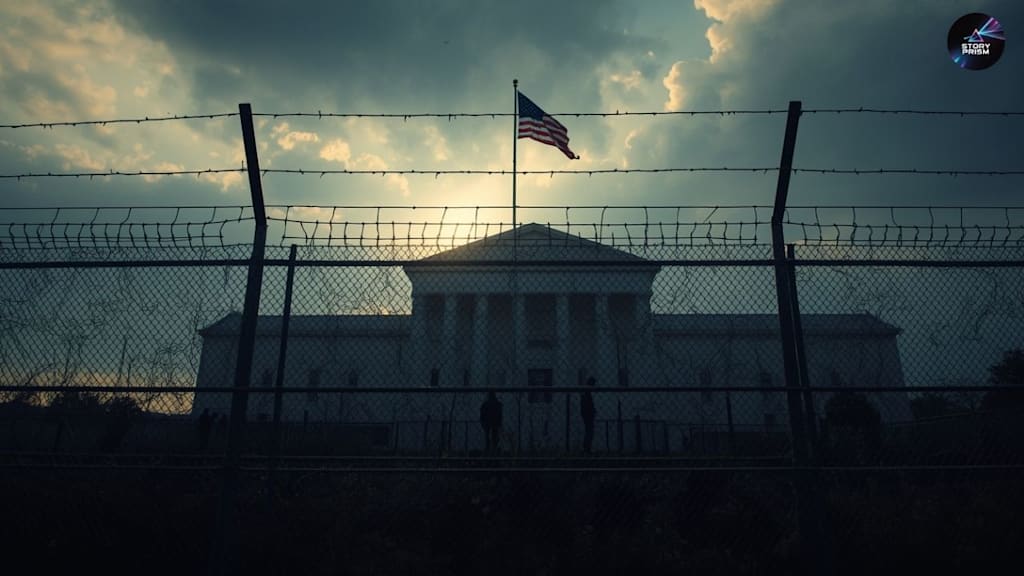
The battle over immigration enforcement in the United States has entered a new and consequential phase, as lawsuits against the Trump administration’s detention policies reshape the limits of federal authority. A series of recent court rulings—particularly at the appeals level—have placed significant constraints on how far the administration can go in detaining migrants without traditional legal safeguards. At the center of the controversy is a fundamental question: how much power does the government have to detain individuals in the name of border security?
The Trump administration has made immigration enforcement one of its defining priorities, focusing heavily on expanding detention capacity and accelerating deportations. Officials have argued that stricter detention policies are necessary to discourage illegal crossings and maintain national security. These efforts include limiting access to bond hearings, broadening categories of migrants subject to mandatory detention, and reducing procedural delays in removal cases. In theory, such measures would allow authorities to process cases faster and prevent migrants from being released into the country while awaiting court decisions.
However, these policies have triggered a wave of legal challenges from civil rights groups, immigration attorneys, and affected individuals. The lawsuits argue that the administration’s approach violates long-standing legal protections, particularly the right to due process under U.S. law. Courts have increasingly sided with these challengers, emphasizing that immigration enforcement does not exist outside the framework of constitutional and statutory protections.
One of the most significant developments came when a U.S. appeals court rejected aspects of the administration’s detention strategy, ruling that migrants cannot be held indefinitely without an opportunity to challenge their detention. The court underscored that even non-citizens are entitled to basic legal rights, including the ability to request a bond hearing before a judge. This decision directly challenges efforts to streamline detention by removing or limiting judicial oversight.
The rulings also highlight a recurring issue in the administration’s approach: the tension between speed and legality. While the government seeks to expedite enforcement, courts have repeatedly found that bypassing established procedures leads to unlawful outcomes. Judges have pointed out that immigration laws passed by Congress still require certain protections, and executive actions cannot override those requirements. This has resulted in policies being blocked, modified, or sent back for further review.
Beyond the legal arguments, the practical impact of these lawsuits is already being felt within the immigration system. Detention facilities, which have expanded rapidly in recent years, now face new scrutiny over their operations and standards. Cases involving individuals who were detained without hearings—or held longer than legally justified—are being revisited, sometimes resulting in releases or new court proceedings. This has created additional pressure on an already overloaded immigration court system.
Critics of the administration argue that these legal setbacks expose deeper flaws in the strategy. They contend that aggressive enforcement measures often lead to unintended consequences, such as the detention of individuals with strong legal claims to remain in the country or even U.S. citizens caught in bureaucratic errors. These cases not only undermine public confidence but also strengthen the legal arguments against the policies.
Supporters, on the other hand, maintain that the administration is taking necessary steps to restore order at the border and enforce immigration laws more effectively. They argue that legal challenges are an expected part of implementing major policy changes and that some setbacks are inevitable when testing the boundaries of executive authority. From this perspective, the lawsuits are less a sign of failure and more an indication of a broader effort to redefine how immigration enforcement operates.
What emerges from this ongoing legal battle is a clear pattern: the administration pushes forward with ambitious enforcement policies, and the courts respond by reinforcing legal limits. This dynamic creates a cycle of action and reaction, where policies are continually reshaped through litigation. The result is a system in flux, with no immediate resolution in sight.
Looking ahead, the outcome of these lawsuits could have lasting implications for U.S. immigration policy. If courts continue to restrict detention practices, the administration may need to adjust its strategy or seek legislative changes to achieve its goals. Conversely, favorable rulings in future cases could expand the government’s authority and set new precedents for enforcement.
For now, the immigration detention lawsuits serve as a powerful reminder that even the most assertive policies must operate within the bounds of the law. As the legal battles continue, they will not only determine the fate of individual detainees but also shape the broader framework of immigration enforcement in the United States.
About the Creator
Enjoyed the story? Support the Creator.
Subscribe for free to receive all their stories in your feed.
Comments
There are no comments for this story
Be the first to respond and start the conversation.