
Ticket prices set to rise by 15p as Heathrow able to recover runway project money
“Heathrow’s Expansion Costs Explained: Why Millions of Passengers Could Pay More for Future Airport Development” “A Small Fare Increase, A Massive Infrastructure Plan: Inside Heathrow’s Battle for Future Growth” “15p More Per Ticket: How Heathrow’s Runway Project Could Reshape Britain’s Aviation Future” “Behind the Price Rise: The Billion-Pound Challenge of Expanding One of the World’s Busiest Airports” “Heathrow’s Next Chapter: Balancing Airport Expansion, Passenger Costs, and Environmental Concerns”
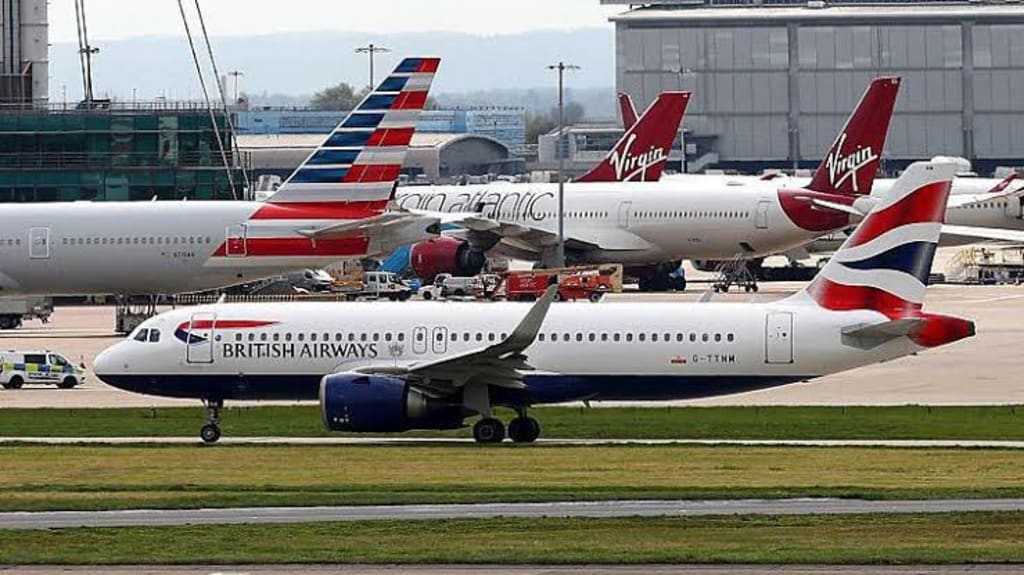
Small Fare Increase Linked to Major Airport Expansion Plans
Passengers travelling through Heathrow Airport could face a small increase in ticket prices after regulators allowed the airport to recover costs connected to its long-term runway expansion plans. The expected rise of around 15 pence per passenger highlights the financial challenges involved in developing one of the world’s busiest aviation hubs.
The decision comes as Heathrow continues to plan for future growth, including improvements to airport capacity, infrastructure, and operational efficiency. While the additional charge is relatively small for individual travellers, it represents a significant financial mechanism for supporting large-scale aviation projects.
Heathrow’s Role in Global Aviation
Heathrow Airport is one of the most important international airports in the world, serving millions of passengers every year and connecting the United Kingdom with hundreds of destinations globally.
Located in west London, the airport plays a major role in the British economy by supporting tourism, international business, cargo transportation, and employment. However, increasing passenger demand has created pressure for additional capacity and upgraded facilities.
For decades, expansion at Heathrow has been the subject of political debate. Supporters argue that improving airport capacity would strengthen the UK’s position as a global transport hub, while critics have raised concerns about environmental impacts, noise pollution, and carbon emissions.
Recovering the Cost of Infrastructure Development
Large infrastructure projects require major investment, and airports often recover costs through regulated charges paid by airlines and, indirectly, passengers.
The approval for Heathrow to recover runway project costs reflects the complex financial structure behind airport development. Building and maintaining aviation infrastructure requires billions in investment, covering construction, technology upgrades, safety systems, and environmental measures.
Airport regulators typically balance two competing interests: allowing companies to invest while ensuring passengers are protected from excessive charges.
The 15p increase demonstrates how even small adjustments can help fund large-scale projects when applied across millions of travellers.
The Debate Over Heathrow Expansion
Heathrow’s expansion plans have faced years of discussion and legal challenges. The proposed third runway has been one of the most controversial infrastructure projects in the UK.
Supporters argue that expansion would create jobs, improve international connectivity, and help businesses compete globally. They believe additional airport capacity is necessary to meet future travel demand.
Opponents have questioned whether expansion is compatible with climate targets and have raised concerns about increased aircraft noise and local disruption.
The aviation industry has responded by investing in cleaner technologies, more efficient aircraft, and sustainable aviation fuels to reduce environmental impacts.
Impact on Airlines and Passengers
Although a 15p increase appears minor, airlines closely monitor airport charges because they affect operating costs. Higher airport fees can influence ticket pricing, especially when combined with fuel costs, staffing expenses, and other industry pressures.
For passengers, the change is unlikely to dramatically affect travel decisions. However, it reflects a wider trend in aviation where infrastructure investment costs are increasingly shared across the industry.
Air travel prices are influenced by many factors, including demand, fuel prices, competition, taxes, and airport charges.
The Future of Heathrow
Heathrow’s future depends on balancing growth with sustainability. The airport faces the challenge of expanding capacity while responding to environmental concerns and changing passenger expectations.
Future investments are expected to focus not only on physical expansion but also on improving efficiency through digital technology, faster passenger processing, and modern airport systems.
The aviation sector is undergoing significant transformation as companies work toward reducing emissions and preparing for new technologies.
Economic Importance of Airport Investment
Investment in airports can have wider economic benefits beyond aviation. Construction projects create employment opportunities, while improved connectivity can encourage tourism and international business.
Major airports often act as economic centres, supporting hotels, transportation companies, retailers, and service industries.
For the UK, maintaining Heathrow’s competitiveness is considered important because international connectivity plays a major role in trade and investment.
Conclusion
The planned 15p increase in ticket prices linked to Heathrow’s runway project costs represents a small financial change connected to a much larger debate about the future of aviation.
While passengers may notice only a minor difference, the decision reflects the enormous costs involved in maintaining and expanding modern airport infrastructure.
As Heathrow moves forward with its development plans, the challenge will be finding a balance between economic growth, passenger affordability, and environmental responsibility. The future of one of the world’s busiest airports will depend on how effectively it manages these competing priorities.
About the Creator
Enjoyed the story? Support the Creator.
Subscribe for free to receive all their stories in your feed.
Comments
There are no comments for this story
Be the first to respond and start the conversation.