
Threat to Oil Tankers in Middle East Worst Since Start of Iran War, Analysts Say
Rising regional tensions, evolving military threats, and growing security concerns place critical global energy shipping routes under unprecedented pressure.
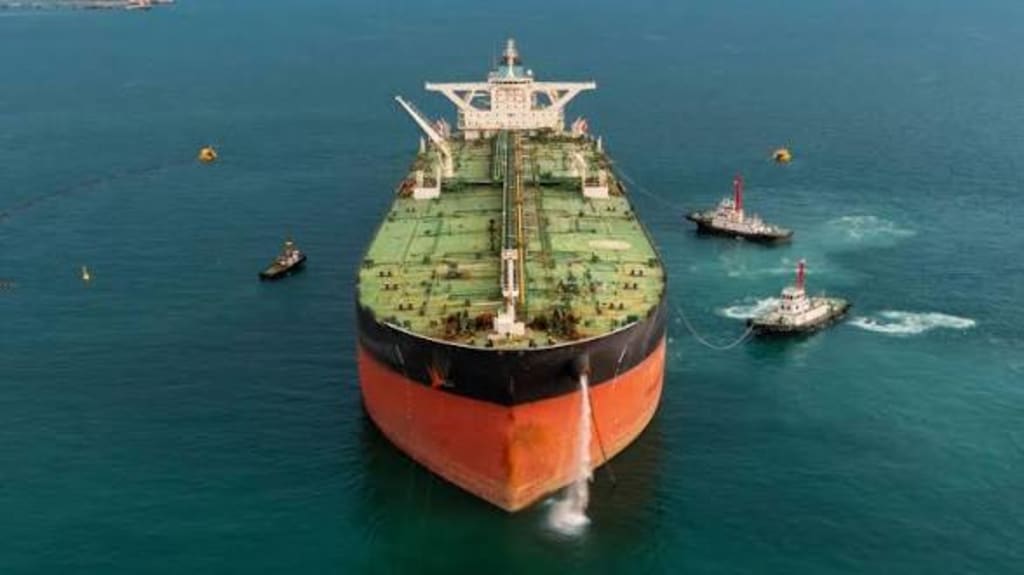
The security threat facing commercial oil tankers in the Middle East has reached its most serious level since the outbreak of the Iran-related regional conflict, according to maritime security analysts and shipping industry experts. A combination of military tensions, drone attacks, missile threats, and increasing uncertainty across key shipping routes has raised concerns about the safety of vessels transporting crude oil through one of the world's most strategically important energy corridors.
Industry observers warn that the deteriorating security environment could have far-reaching consequences for global energy markets, international trade, and shipping costs. The heightened risks have prompted ship operators, insurers, and governments to reassess safety measures as vessels continue to navigate waters that carry a significant portion of the world's oil supply.
The Strait of Hormuz, a narrow waterway connecting the Persian Gulf to the Gulf of Oman, remains at the center of these concerns. Roughly one-fifth of global oil consumption passes through the strait, making it one of the most critical maritime chokepoints in the world. Any disruption to traffic through the area has the potential to affect energy prices and supply chains far beyond the Middle East.
Security experts note that commercial shipping has become increasingly vulnerable to modern warfare tactics. Unmanned aerial vehicles, anti-ship missiles, and electronic warfare capabilities have transformed the threat landscape, allowing attacks to be launched from greater distances and with less warning than in previous conflicts.
"The risks facing commercial vessels have increased substantially," said one maritime security consultant. "Shipping companies are operating in an environment where regional tensions can escalate quickly, and where even non-military vessels may find themselves exposed to serious security threats."
Several shipping firms have reportedly reviewed voyage plans and risk assessments in response to the changing environment. Some operators are considering alternative routes where possible, while others have increased onboard security procedures and communication protocols. However, rerouting vessels can significantly increase transit times and transportation costs, creating challenges for companies already dealing with volatile market conditions.
Insurance providers are also closely monitoring developments. War-risk premiums for ships operating in high-risk areas can rise sharply when security threats increase. Industry analysts suggest that higher insurance costs could ultimately be passed on to consumers through increased energy and transportation expenses.
The latest concerns emerge against a backdrop of persistent geopolitical instability across the region. Military operations, retaliatory actions, and diplomatic tensions have contributed to an atmosphere of uncertainty that continues to affect commercial maritime activity. While governments have sought to reassure markets about the security of major shipping lanes, experts caution that risks remain elevated.
Global energy markets have reacted cautiously to reports of increased threats. Oil prices often respond rapidly to developments affecting the Strait of Hormuz and surrounding waters because of the region's importance to global supply. Traders and investors are closely watching events for any indication that shipping disruptions could become more widespread.
Energy analysts emphasize that even limited interruptions to tanker traffic can have significant consequences. Delays in deliveries, increased transportation expenses, and uncertainty regarding future shipments can all contribute to market volatility. As a result, developments in the Middle East remain a key focus for governments, corporations, and financial institutions worldwide.
Naval forces from several countries continue to maintain a presence in regional waters to support maritime security and freedom of navigation. Patrol operations, surveillance activities, and coordination among international partners are intended to deter attacks and provide rapid responses to incidents involving commercial vessels.
Despite these efforts, maritime experts acknowledge that complete protection is difficult to guarantee. The vast geographic area involved, combined with the evolving nature of security threats, presents ongoing challenges for military planners and shipping companies alike.
Shipping executives say communication between governments, naval authorities, and commercial operators has become increasingly important. Real-time intelligence sharing and coordinated security measures can help vessels avoid danger and respond more effectively when incidents occur.
The broader economic implications of maritime insecurity extend beyond the energy sector. The Middle East serves as a vital hub for international trade, with countless commercial goods moving through regional shipping routes every day. Any prolonged disruption could affect manufacturing supply chains, consumer prices, and economic growth in multiple regions.
Financial markets have historically responded strongly to threats against major energy transportation routes. Investors often view disruptions in oil-producing regions as a source of uncertainty that can influence inflation, monetary policy decisions, and broader economic performance. Consequently, developments affecting tanker security are closely followed not only by the shipping industry but also by policymakers and market participants around the world.
Analysts caution that while current shipping operations continue, the situation remains highly fluid. Future developments will depend on military actions, diplomatic efforts, and the willingness of regional actors to avoid further escalation. Any significant increase in hostilities could further complicate the operating environment for commercial vessels.
For now, tanker operators continue to navigate one of the world's most important maritime corridors under heightened security conditions. While international trade and energy exports remain largely uninterrupted, the growing threat environment underscores the fragile balance between economic necessity and regional security.
As governments and industry leaders work to manage the risks, the safety of commercial shipping remains a central concern. The coming weeks and months may prove critical in determining whether tensions can be contained or whether the challenges facing oil tankers in the Middle East continue to intensify, potentially affecting global markets and energy supplies on a much larger scale.
About the Creator
Enjoyed the story? Support the Creator.
Subscribe for free to receive all their stories in your feed.
Comments
There are no comments for this story
Be the first to respond and start the conversation.