
The Middle Class Isn’t Dying—It Just Got Expensive Tastes
Expectations changed and envy distorted reality.

We keep hearing that the middle class has collapsed, disappeared, or been pushed into extinction. But look around. The middle class did not vanish. What changed was not survival—it was expectation.

A few generations ago, a middle-class household often had one car, one television, and a modest home of around 1,200 square feet. Air conditioning was a non-existent luxury in all places. Flying on airplanes was very, very rare. Eating at restaurants was for birthdays, anniversaries, or special occasions. Vacations were road trips, camping, or visiting relatives. Families repaired things, reused things, and lived with less space and fewer conveniences. And they were happy because they were not poor

Today, many households consider three cars normal. Multiple televisions are common. Homes have expanded to 2,200 square feet or more. Central air conditioning is treated as essential. Annual flights for leisure are expected. Dining out is routine. Smartphones, streaming subscriptions, gaming systems, smart appliances, premium coffee, food delivery, and constant upgrades are folded into what many people now call “basic living.”
We are running on a hedonic treadmill that moves faster every year. We aren’t just keeping up with the Joneses anymore; we are keeping up with a curated, high-definition version of the Joneses beamed directly into our pockets 24/7.

The Constant Amazon Prime Stream
Consider the way we shop. For our grandparents, "shopping" was a deliberate, physical event—a trip to a storefront during business hours. Today, the middle-class home has a revolving door for delivery drivers. We spend an average of over $1,800 a year on Amazon and similar retailers, often for items that would have been considered discretionary luxuries a few decades ago.

We don't just buy what we need; we buy what we want, the moment we want it, delivered to our doorstep within twenty-four hours. This "prime" lifestyle creates a constant, low-level financial drain that we’ve rebranded as a basic utility. We feel the "squeeze" of our bank accounts, yet we rarely count the cost of the cardboard boxes piling up in our recycling bins.
The Digital Utility Bill
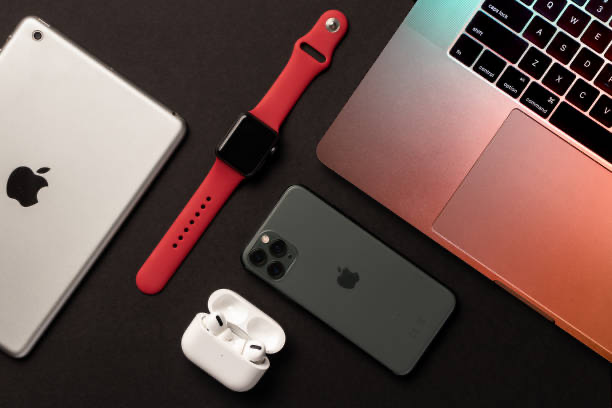
Our definition of "tools for living" has also mutated. It is no longer enough to have a single "family computer" in a shared den. The modern middle-class standard now demands a personalized ecosystem: a laptop for work, a tablet for the bedside, and a smartphone that is replaced every two to three years. In fact, the average US household now manages between 15 and 20 connected devices.
This digital overhead extends to how we eat. Cooking—once the primary way a middle-class family built equity—is increasingly viewed as a "time-tax." Instead of the grocery-store-to-stove pipeline, we pay a 30% premium to have Uber Eats or DoorDash bring us a meal that someone else prepared. We aren't just paying for the food; we are paying to outsource the effort of living, and then wondering why the "middle class" feels so much harder to maintain.
What Changed?
That does not mean life is cheap. Housing, healthcare, and education have undeniably become more expensive. But a huge part of the modern complaint comes from comparing yesterday’s income to today’s much larger standard of living. People are not just trying to maintain what their grandparents had—they are trying to exceed it dramatically while calling it ordinary.

The old middle class measured success differently. Stability mattered more than abundance. Owning a modest home, raising children safely, paying bills on time, and saving and investing steadily were achievements.

Today, many define middle-class life as spacious homes, frequent travel, endless entertainment, restaurant convenience, new vehicles, and instant access to everything.

When expectations rise faster than income, it feels like decline—even when material comfort has increased.
This does not mean every complaint is invalid. Many families are squeezed, and some markets are punishingly expensive. But the story is more complicated than “the middle class is dead.” In many cases, the middle class still exists—it has simply upgraded its wishlist and renamed the strain.
Perhaps the real question is not what happened to the middle class.
Perhaps the real question is not what happened to the middle class.
It is what happened to the meaning of enough
About the Creator
R F Dace
I say what others won't, this makes you think and stays with you. I won’t tell you what to think, but I will show you the issues. You will be challenged, and trusted to reach your own conclusions. Don't be shy, I'll appreciate your comments
Enjoyed the story? Support the Creator.
Subscribe for free to receive all their stories in your feed.
Comments
There are no comments for this story
Be the first to respond and start the conversation.