
The Iran Ceasefire Talks Are Real. They’re Also a Minefield.
Four veto points explain why “talks in two days” can still collapse back into war.
On November 2, Iranian Foreign Ministry spokesman Baghaei said talks could begin “within two days.” Oil fell nearly 6%, spot gold rose 1.77%, and U.S. equity futures climbed. The market voted with prices.
Judging the past week as a show staged for Republican midterm campaigning mistakes complex motives for a fake process. Vance’s letter reached Tehran. Qatari mediators flew between Tehran and Doha several times. Iran compressed its “seven-day plan” into a “two-day plan.” Netanyahu urged Trump in their October 31 call to act after the midterms. Trump did not agree. Those actions served several purposes at once. They still happened.
The direction depends less on who is performing and more on a network of four veto points. Trigger any one, and everything on the table returns to zero.
Veto Point One: The Sequencing Deadlock
The main obstacle is order. Washington wants nuclear talks first and sanctions relief second. Tehran wants sanctions relief first and nuclear talks second. Li Zixin of the China Institute of International Studies puts the split plainly: the U.S. wants the nuclear file addressed before sanctions move; Iran wants sanctions relief before the nuclear file moves.
Iran’s “two-day plan” lists what Washington must do on day one: unfreeze Iranian funds, lift the naval blockade, grant oil export waivers, end regional wars including the one in Lebanon, and remove sanctions imposed after the Islamabad Memorandum of Understanding. Vance’s November 2 statement used different language. The primary goal, he said, is to ensure Iran “can never obtain a nuclear weapon,” and Iran must take “substantive action” on the nuclear file.
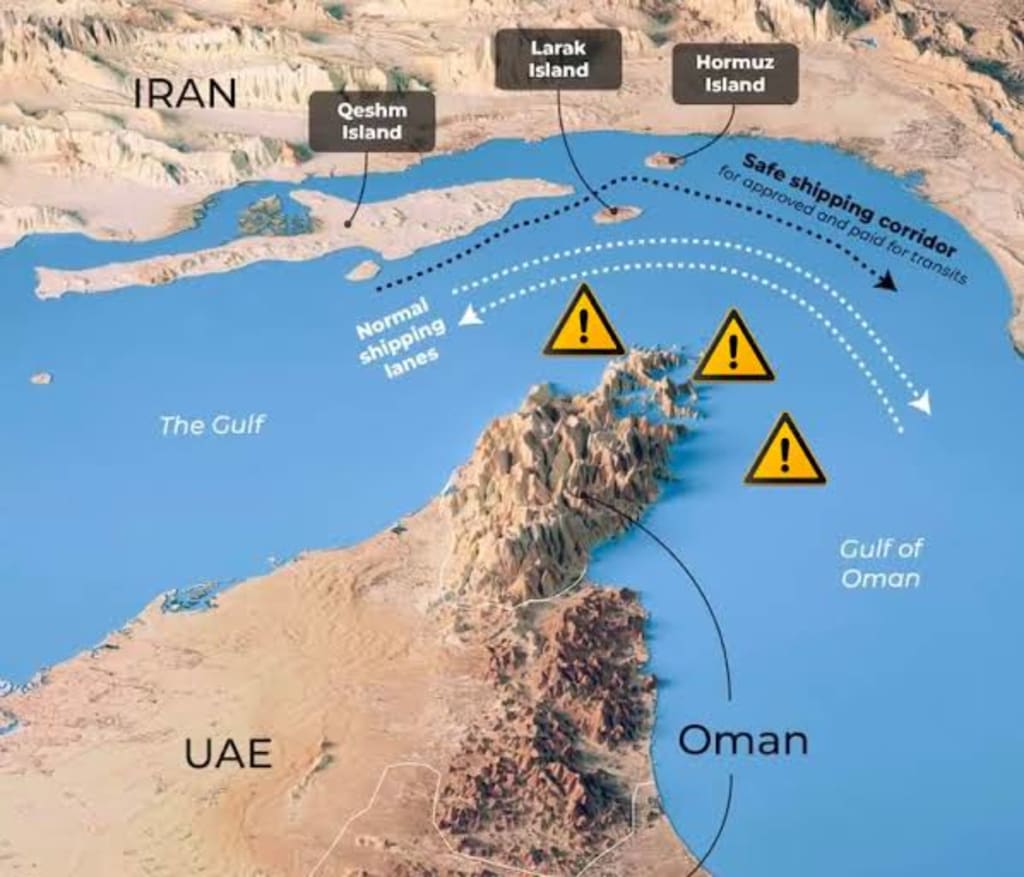
The two sides also disagree about what can be traded. Iran treats transit rights through the Strait of Hormuz as an asset it can sell. Washington treats an international waterway as open by definition and rejects the idea that Iran has something to sell. Iran wants a permanent, full ceasefire guarantee. Washington offers a pause. Iran’s demands for withdrawal and reparations have no room in current U.S. politics.
One technically feasible exchange remains: UN inspectors enter damaged nuclear sites in return for partial sanctions relief, oil sales licenses, and limited asset unfreezing. Qatar’s new proposal follows that line. The scale is tiny next to Iran’s demand for sweeping relief. It can keep talks alive. It cannot support an agreement that ends the war.
Li Zixin’s judgment belongs on the desk: Iran’s plan “still has no place for the nuclear issue,” and for Washington to accept it as written “would amount to conceding defeat on procedure.” Until that deadlock breaks, “talks within two days” is a timetable on paper.
Veto Point Two: Israel’s Trigger
The October 31 Trump-Netanyahu call was described by Israeli officials as “difficult” and by U.S. officials as “direct.” Netanyahu urged Trump to attack Iran immediately after the midterms. Trump wanted the talks to continue and made no commitment. He later told reporters he was “in no hurry,” because Iran “wants a deal more than ever.”
The exchange looks like a U.S.-Israeli disagreement. It is more dangerous than that. The two countries want different outcomes. Israel wants a long-term settlement of the Iran problem: destroyed nuclear capability, possibly regime change. Washington wants short-term deliverables: nuclear concessions and a reopened Strait to serve domestic politics. Li Zixin calls the split asymmetric cost-sharing. Netanyahu is pushing a “swift but large-scale” air campaign. Trump has not decided.
Israel does not need Trump’s approval to act. If Netanyahu concludes that diplomacy is locking in an outcome he rejects, an Iran that keeps some nuclear capability and gets a ceasefire for sanctions relief, he can use unilateral military action to create facts and pull Washington back onto the war track. Neither Washington nor Tehran can close this veto point alone. Trump can be in no hurry. He cannot control whether Israel is.
Veto Point Three: The Election’s Uncertain Constraint
The claim that Iran tried to use the midterms to squeeze Trump, that Trump refused, and that war after the election is therefore certain depends on one link: how the election result changes Trump’s incentives. That link needs another pass.
Pre-election polling found about 70% of registered voters wanted the new Congress to make ending the Iran war a top priority. Democratic candidates blamed the war for gasoline prices and living costs. If Democrats retake Congress, most analysis says Trump’s military options face concrete institutional constraints. Democrats have filed multiple bills to limit presidential war powers and plan more “every week” while the conflict continues. Democratic control could open investigations into Iran war decisions and revive resolutions requiring congressional approval for military action.
After the election, Trump may face stronger domestic checks and pressure to extract himself to honor his promises. The reverse is possible: some scholars argue a Democratic blowout could push Trump to escalate before the new Congress is seated. Both possibilities mean the election adds uncertainty. It does not confirm a green light for war. Treating the post-election period as certain war ignores the tug-of-war between domestic politics and presidential military power.
Veto Point Four: Who Is on the Other Side of the Table
The Supreme Leader’s grant of negotiating authority to the government looks like a unified, orderly mandate. Iran expert Aref Nasr describes something more divided: a government faction leaning toward compromise and a military faction pushing to militarize the talks. Inside the Supreme National Security Council, the government camp seeks a solution. Military figures led by Mohsen Rezaei and Ahmad Vahidi advocate a harder line. Nasr says the military faction’s priorities appear more prominent, and Parliament Speaker Ghalibaf’s effort to mediate between the Revolutionary Guard and the government “failed to bridge the divide.” He calls the Iranian regime “multi-headed,” with political and military decision-makers heavily overlapping.
One consequence matters. Rezaei, who received Vance’s letter, is both secretary of the National Security Council and a direct representative of the Supreme Leader. Washington wrote to Rezaei instead of using government channels because it knows final decisions in Tehran do not rest with “the government.”
Even if Pezeshkian’s government wants a deal, the security apparatus must accept and implement it. That is a separate variable. Iran’s 65.8% annual inflation is the economic reason behind the moderate faction’s demands. The war also boosts the hardliners. The two lines compete inside Tehran. Neither has won.
The Market Is Pricing Hope
Oil’s 6% drop happened. The market is trading the expectation of a deal and a reopened Strait, not the deal itself. Before this, Brent carried a large war-risk premium. Goldman Sachs estimated about $27 a barrel. ANZ argued eight months of war had weakened the global oil market’s ability to absorb supply shocks. Iran’s “two-day plan” gave traders a visible de-escalation path. Crowded war-premium positions stampeded out. This is a repricing of probability. It is not peace.
This pricing rests on two unfulfilled premises: the sequencing deadlock is not triggered, and Israel does not act alone. Trigger either, and the war premium returns faster than it left. Analysts have given the direction: “Once the geopolitical situation escalates again, crude oil prices will return above $100 per barrel and continue rising.”
Closing
The talks are happening, and they are fragile. Vance sent a letter. Qatar shuttled. Iran’s own camp split over concessions. Netanyahu wants a strike. Trump will not commit. Trump is seeking a pre-election deliverable while keeping a military option. Iran is using the election window while testing a path short of full war.
Survival depends on managing four veto points at once for long enough: the sequencing deadlock, Israel’s unilateral trigger, the election’s uncertain constraints, and Tehran’s multi-headed decision structure. The market can price hope. The failure conditions are specific, and they are already visible.
About the Creator
Jin
Writer of reamstories
https://reamstories.com/jin
Enjoyed the story? Support the Creator.
Subscribe for free to receive all their stories in your feed. You could also become a paid subscriber, letting them know you appreciate their work.
Comments
There are no comments for this story
Be the first to respond and start the conversation.