
The Greatest TikTok Ban: The Rise and Fall of America’s Favorite Social Media Phenomenon
Everything you need to know about the continental shut down


Few apps have reshaped the digital landscape like TikTok. Launched in 2016 by the Chinese tech giant ByteDance, TikTok quickly became a global sensation, blending short, engaging videos with powerful algorithms to create a content experience like no other. From viral dances to quirky comedy and educational tidbits, TikTok captivated millions — especially younger audiences.
By 2023, it boasted over a billion active users worldwide, with an estimated 150 million in the United States alone. Yet, this cultural juggernaut now faces an uncertain future in America. As lawmakers move forward with plans to ban the app, the TikTok era in the U.S. may soon come to an end.
Why the Ban?
The push to ban TikTok in the U.S. stems primarily from concerns over national security. Critics, including members of Congress and intelligence agencies, argue that TikTok’s Chinese ownership poses a potential threat. The app collects vast amounts of user data—including location, browsing habits, and device information—raising fears that this data could be accessed by the Chinese government under national security laws.
While ByteDance has repeatedly denied any allegations of wrongdoing and has taken steps to increase transparency, such as storing American user data on servers in the U.S. and Singapore, these measures have done little to quell fears. In March 2023, TikTok CEO Shou Zi Chew testified before Congress, emphasizing the company’s independence from Beijing, but skepticism remained high. Adding fuel to the fire, geopolitical tensions between the U.S. and China have intensified in recent years. Policymakers argue that banning TikTok is not just about data security but also about setting boundaries with foreign influence over American media and technology.
What Does the Ban Entail?
If enacted, the ban would prevent TikTok from operating within U.S. borders. This could involve removing the app from Apple and Google’s app stores, blocking updates, and potentially restricting its use through internet service providers. The exact mechanism for enforcement is still unclear, and legal challenges are expected.
However, a TikTok ban would not only impact individual users but also businesses, influencers, and creators who have built livelihoods on the platform. Many companies leverage TikTok’s unique format to market products and services, while influencers depend on it for income through sponsorships and brand deals.
The Fallout and What’s Next
The banning of TikTok would leave a significant void in the social media landscape. Competitors like Instagram Reels, YouTube Shorts, and Snapchat Spotlight would likely scramble to absorb TikTok’s displaced audience. However, replicating TikTok’s success may prove challenging; its powerful recommendation engine and deeply engaged community have been key factors in its dominance. On a broader scale, the ban could have long-term implications for U.S.-China tech relations. It may also set a precedent for further scrutiny of Chinese-owned platforms operating in the U.S., such as Shein and Temu.
Celebrities Against The Idea
In light of the impending TikTok ban in the United States, several prominent figures have expressed their concerns and perspectives. Marc D’Amelio, father of TikTok stars Charli and Dixie D'Amelio, criticized the potential ban as an infringement on free speech rights, labeling it "un-American." He emphasized the lack of credible justification for the government's decision and expressed concern for smaller creators who rely on TikTok for their livelihoods.
Additionally, billionaire real estate magnate Frank McCourt has shown interest in purchasing TikTok's American assets. McCourt, known for his initiative Project Liberty, aims to create a more user-centric internet experience. He has made a formal bid of approximately $20 billion, excluding TikTok's algorithm, which he believes is harmful. McCourt's plan involves allowing users to control their data and identity while maintaining the platform's profitability. These reactions highlight the diverse opinions surrounding the TikTok ban, reflecting concerns about free speech, economic impact on creators, and the future landscape of social media platforms in the United States.
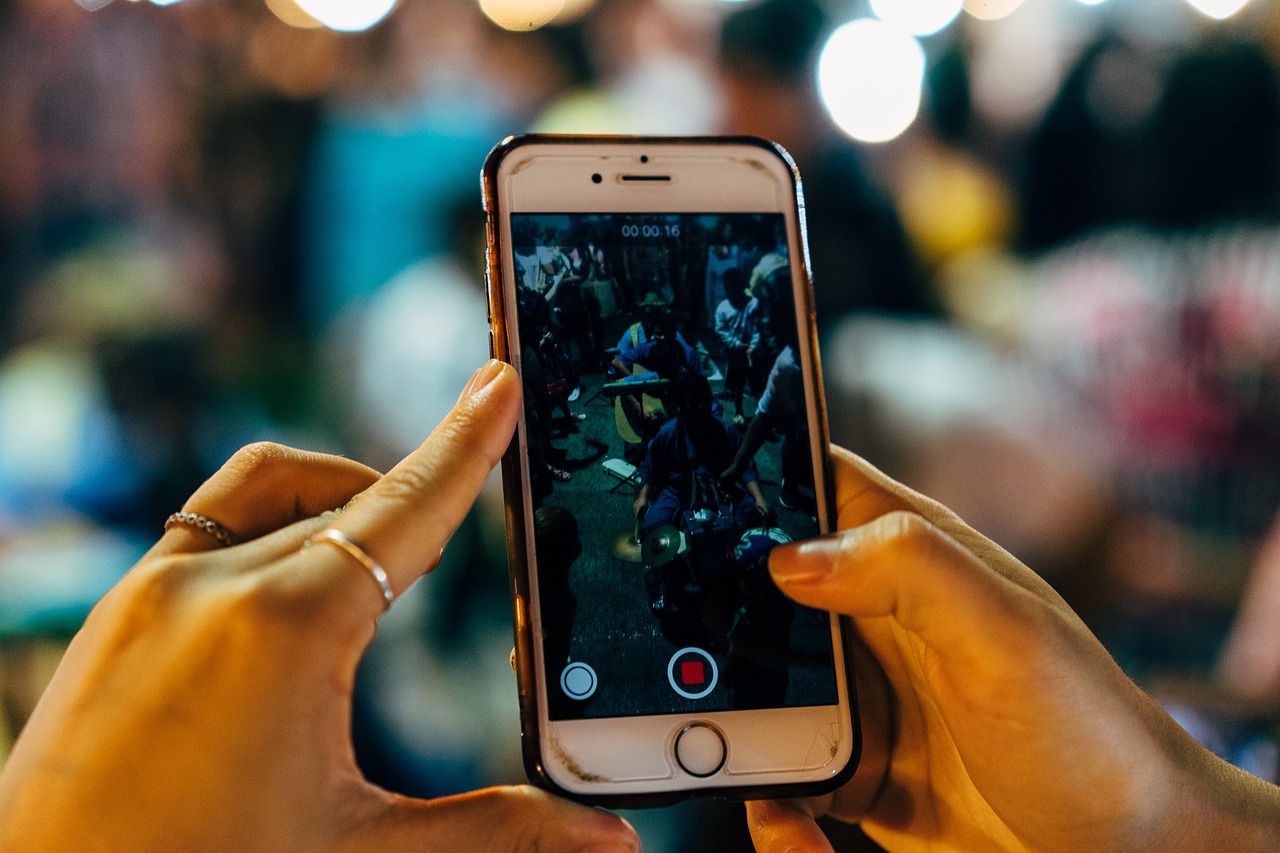
The End of an Era?
TikTok’s potential ban marks a dramatic turning point in the app’s meteoric rise to cultural prominence. While it’s unclear if this is the definitive end for TikTok in America, the controversy surrounding its operations highlights deeper questions about privacy, security, and the balance of power in the digital age. As users prepare for a future potentially without TikTok, one thing is certain: the app’s impact on social media and popular culture will not be forgotten. Whether through new platforms or the evolution of existing ones, TikTok’s legacy will likely shape the next chapter of online entertainment—with or without its presence on American screens.
* * * * * * * * * * * * * * * * * * * * * * * * * * * * * * * * * * * *
Sources:
The Times
The Sunday Times
Google News
photos: pixabay.com
About the Creator
Enjoyed the story? Support the Creator.
Subscribe for free to receive all their stories in your feed.
Comments
There are no comments for this story
Be the first to respond and start the conversation.