
The Curtiss Kingbird: A Forgotten Twin Engine Airliner
The story of the Curtiss Kingbird reveals how an overlooked twin-engine aircraft helped shape the early years of commercial aviation and paved the way for modern air travel.
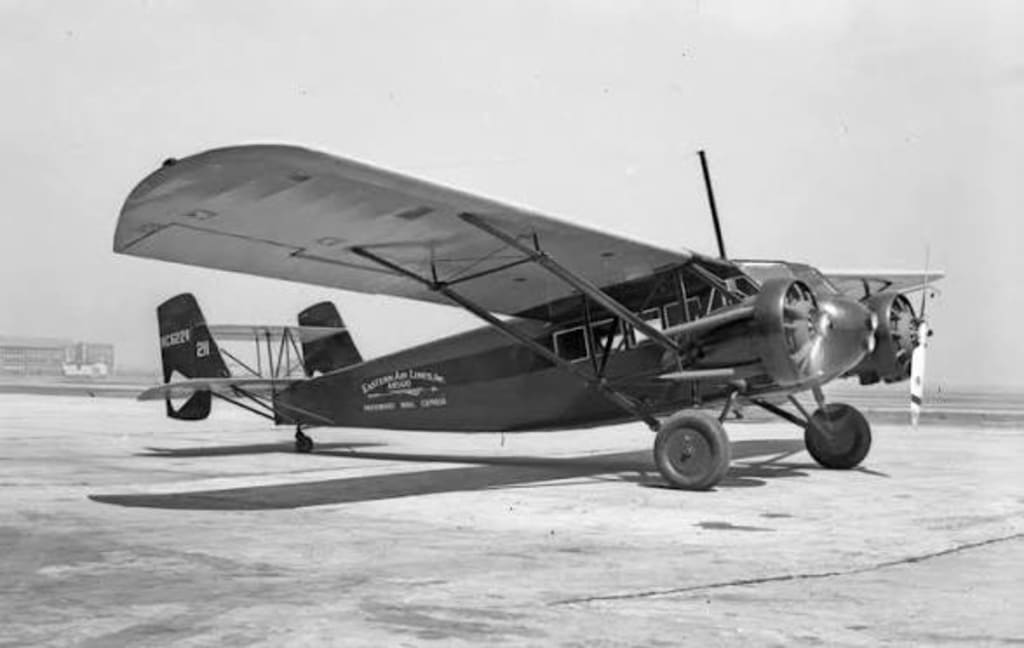
In the early years of commercial aviation, aircraft manufacturers around the world competed to create reliable passenger planes that could transform air travel from a dangerous experiment into a practical form of transportation. Among the many aircraft developed during this era was the Curtiss Kingbird, a twin-engine airliner that has largely disappeared from public memory despite its important place in aviation history.
The Curtiss Kingbird was introduced during the late 1920s, a period when aviation was rapidly changing. Airlines were beginning to move away from small single-engine aircraft and searching for safer, more capable planes that could carry passengers over longer distances. Twin-engine designs offered greater reliability and performance, especially for commercial operations.
Built by the Curtiss Aeroplane and Motor Company, the Kingbird reflected the company’s experience in aircraft development. Curtiss was one of America’s most influential aviation manufacturers, producing military aircraft, racing planes, and commercial aircraft during the early decades of flight.
The Kingbird was designed as a high-wing, twin-engine transport aircraft. Its layout provided stability and allowed passengers and cargo to be carried more efficiently than many earlier aircraft. The aircraft typically accommodated a small number of passengers, matching the needs of airlines operating in an era when commercial aviation networks were still developing.
During this period, passenger aviation was very different from modern air travel. Aircraft cabins were smaller, airports were basic, and navigation depended heavily on pilots’ skills and visual references. Flying was still considered an adventure, and airlines had to convince the public that air travel was safe and reliable.
The Kingbird represented an important step toward improving passenger confidence. A twin-engine aircraft provided additional security compared with many single-engine designs. The ability to continue operating after the failure of one engine was a major advantage for commercial airlines, particularly when flights crossed remote areas.
Although the aircraft was not produced in the same numbers as some of its competitors, the Kingbird found use with several operators during its service life. It served as both a passenger transport and a utility aircraft, supporting the growing aviation industry at a time when airlines were experimenting with different aircraft designs.
The aircraft’s development came during a competitive period in American aviation. Companies such as Boeing, Ford, and other manufacturers were also creating new passenger aircraft. Each design contributed lessons that helped shape the future of commercial aviation.
One reason the Curtiss Kingbird became largely forgotten is that it was overshadowed by later aircraft that achieved greater commercial success. Aviation history often remembers aircraft that introduced revolutionary technology or became widely used, while smaller production models can disappear from public attention.
However, aircraft like the Kingbird played a valuable role in aviation’s evolution. They helped engineers understand passenger requirements, aircraft reliability, and the challenges of operating commercial services. The knowledge gained from these early transports influenced future generations of airliners.
The late 1920s and early 1930s were also years of significant change in the aviation industry. Improvements in engines, materials, navigation systems, and airport infrastructure gradually transformed air travel. Aircraft became faster, more comfortable, and capable of carrying more passengers over longer distances.
The Curtiss Kingbird represents a bridge between early aviation experiments and the modern airline industry. It was not the largest or most famous aircraft of its era, but it reflected the ambition of designers who were working to make commercial flight a realistic part of everyday life.
Today, aviation historians and aircraft enthusiasts continue to study forgotten aircraft like the Kingbird because they reveal the challenges and innovations of early flight. Museums, archives, and private collections preserve information about these machines, ensuring that important chapters of aviation history are not completely lost.
The story of the Curtiss Kingbird is a reminder that progress is not built only by famous aircraft. Behind every major advancement are many lesser-known designs that tested ideas, solved problems, and moved the industry forward.
Although the Kingbird has largely faded from public memory, its contribution remains part of the long journey that transformed aviation. It represents a time when engineers, pilots, and airlines were discovering what commercial air travel could become.
The aircraft may no longer fly through the skies, but its legacy survives in the history of aviation — a symbol of innovation during a period when the future of passenger flight was still being written.
About the Creator
Enjoyed the story? Support the Creator.
Subscribe for free to receive all their stories in your feed.
Comments
There are no comments for this story
Be the first to respond and start the conversation.