politics
Politics does not dictate our collective cultural mindset as much as it simply reflects it; We've got to look in the mirror sometimes, and we've got one.
Here is a unique, 800-word Vocal Media–style article based on your keyword and the verified news context: . AI-Generated.
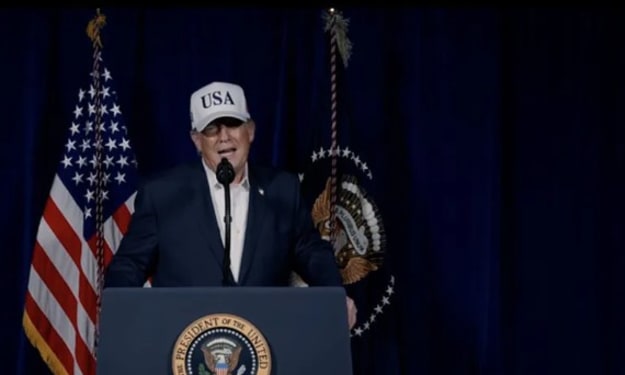
A Screen Grab, A Statement, and a Signal to the World: Trump’s Truth Social Video Marks a Defining Moment On February 28, a screen grab from a video released on Donald Trump’s Truth Social account captured more than just a presidential address—it froze a moment of profound global consequence. In the still image, Trump appears composed, deliberate, and direct, delivering remarks that would quickly echo across political institutions, media channels, and international borders. The message accompanying the video was unmistakable: the United States had entered what Trump described as “major combat operations in Iran.” The screen grab itself, sourced via US President Trump’s Truth Social account and distributed through Anadolu and Getty Images, represents a new era of political communication. In a digital age, leadership is no longer confined to press rooms, official broadcasts, or formal diplomatic communiqués. Instead, social media platforms—especially ones controlled by political figures themselves—have become the stage where history unfolds in real time. The Visual Language of Authority Images hold power. A single screen grab can communicate authority, resolve, and intention without requiring sound. In this case, the image shows Trump speaking directly into the camera, signaling urgency and control. His posture conveys decisiveness, reinforcing the seriousness of his announcement. This was not merely symbolic communication. According to reports, Trump’s video message declared that the United States military had already begun combat operations, describing the objective as defending Americans by neutralizing perceived threats from Iran’s leadership and military capabilities. Such visuals serve as a bridge between government action and public awareness. Unlike written statements, video messages allow viewers to interpret tone, emotion, and confidence. Every facial expression and gesture contributes to shaping public perception. Truth Social and the New Presidential Megaphone Truth Social, the platform where the video originated, plays a critical role in reshaping how presidential messages reach the public. Traditionally, statements of military engagement would be delivered through formal channels—press conferences, televised addresses, or official White House releases. However, Trump’s decision to use Truth Social demonstrates how digital platforms can bypass traditional media filters. This approach allows leaders to communicate instantly with millions of followers, controlling both the message and the timing. The screen grab symbolizes this shift. It is not just an image of a president speaking—it is an image of a president speaking on his own platform, directly to the world. This form of communication has advantages and risks. It allows rapid dissemination of information but also raises questions about oversight, verification, and interpretation. A Moment of Escalation Trump’s announcement came amid rising tensions between the United States, Israel, and Iran. His statement framed the combat operations as necessary for national defense, citing threats linked to Iran’s military capabilities and strategic ambitions. The video also addressed the Iranian people directly, urging awareness of unfolding events while emphasizing that the operations were focused on eliminating specific threats rather than targeting civilians. Such messaging highlights the dual audience of modern presidential communications. Leaders must simultaneously address domestic citizens, international governments, and foreign populations—all within a single speech. The screen grab becomes evidence of this complex balancing act. It captures a moment when political messaging intersects with military action and international diplomacy. The Symbolism of Timing The timing of the video adds another layer of significance. Released shortly after the start of combat operations, the message served both as an announcement and as a justification. It positioned the United States as acting decisively while shaping the narrative around the operation’s purpose. Historically, presidential announcements of military action have always carried symbolic weight. From Franklin D. Roosevelt’s wartime speeches to modern televised addresses, such moments define leadership in times of crisis. This screen grab joins that lineage—but with a distinctly modern twist. Instead of appearing exclusively on television networks, it spread rapidly across social media, news websites, and digital platforms. Within minutes, the image became part of the global information ecosystem. Media, Imagery, and Historical Memory Screen grabs often outlive the videos they originate from. They become reference points—visual shorthand for complex events. Years from now, historians and analysts may revisit this image as a representation of how military action was announced in the digital era. It illustrates how leadership, media, and technology converge to shape historical narratives. Unlike traditional photographs taken by journalists, this image originates from the president’s own platform. This distinction matters. It reflects a shift in who controls historical documentation. Instead of relying solely on independent media, political figures now participate directly in creating the visual record. Public Reaction and Global Implications The release of the video and its accompanying screen grab sparked immediate reactions across the world. Supporters viewed the announcement as a demonstration of strength and decisive leadership. Critics expressed concern about escalation and the risks of prolonged conflict. Regardless of political perspective, one fact remains clear: the image captured a turning point. It represents a moment when words, visuals, and military action aligned simultaneously. The power of the image lies not only in what it shows, but in what it represents—a president speaking at the intersection of communication, conflict, and history. The Digital Face of Modern Leadership The screen grab from Trump’s Truth Social video is more than just a frame from a speech. It is a symbol of how leadership is evolving in the 21st century. Political authority is now exercised not only through decisions but through digital presence. Leaders must manage perception, narrative, and communication in real time. Images like this serve as reminders that history is no longer recorded solely in archives and official transcripts. It unfolds on screens, in pixels, and across platforms accessible to billions. In the end, the screen grab captures more than a statement about combat operations. It captures a moment when technology, politics, and global events converged—forever linking a single image to a defining chapter in modern history. --- If you want, I can also optimize it specifically for Vocal Media approval (SEO title, subtitle, tags, and formatting) to increase your chances of acceptance and monetization.
By Jameel Jamali8 months ago in The Swamp
Minister Josh Simons Resigns After Labour Together Claims: A Political Shockwave in British Politics. AI-Generated.
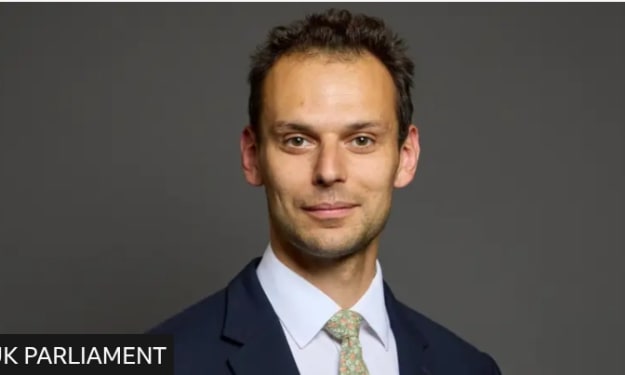
British politics has once again been thrown into turbulence following the sudden resignation of Minister Josh Simons. The announcement came after controversy surrounding claims linked to Labour Together, a prominent think tank associated with the Labour Party. The development has ignited debate across political circles, raising questions about transparency, influence, and the relationship between political organizations and government officials. Simons’ departure marks another moment of intense scrutiny for modern politics in the United Kingdom. As details continue to emerge, the story highlights the fragile balance between political power, public trust, and accountability. This article explores the background of Josh Simons, the claims that led to his resignation, the response from political leaders, and what this event may mean for the future of the Labour Party and British politics more broadly. Who Is Josh Simons? Josh Simons has been considered one of the rising intellectual voices within Labour politics. Known for his policy expertise and strategic thinking, Simons built a reputation as a policy adviser before entering government. His career has been closely tied to progressive policy development, economic reform ideas, and modernizing the Labour Party’s political message. Before his ministerial role, Simons was involved in policy think tanks and advisory circles that helped shape Labour’s political platform. Many observers believed he represented a new generation of Labour leadership—one focused on practical policy solutions rather than traditional ideological battles. Because of this reputation, his resignation has surprised many political analysts. Understanding Labour Together At the center of the controversy is Labour Together, a think tank that has played an important role in shaping the modern direction of Labour Party policy. Labour Together has been known for providing research, political strategy, and policy proposals designed to help Labour remain competitive in national elections. The organization has worked with a range of Labour politicians and advisers, often serving as a hub for policy discussions. However, the relationship between think tanks and political office holders has long been controversial. Critics argue that such organizations can create blurred lines between independent policy work and political influence. Supporters, on the other hand, say think tanks are essential to developing effective policy ideas and ensuring governments have access to expert analysis. The claims involving Labour Together have therefore raised questions about where those boundaries should lie. The Claims That Sparked the Crisis Reports suggest that allegations connected to Labour Together created a conflict that placed Simons under significant political pressure. While the exact details remain under investigation, the controversy reportedly centers on concerns regarding transparency, political connections, and potential conflicts of interest. Opposition figures and political commentators began asking whether Simons’ relationship with Labour Together could raise ethical concerns for someone holding a government position. Although no criminal wrongdoing has been alleged, the situation quickly became politically sensitive. In modern politics, perception can often be as damaging as proven misconduct. As scrutiny intensified, calls grew for clarification and accountability. Political Pressure Mounts As media coverage expanded, pressure began to build from multiple directions. Opposition parties demanded explanations about the relationship between Labour officials and policy organizations. Questions were also raised in political discussions and public commentary about whether stronger ethical guidelines were needed. Political analysts noted that such controversies can escalate rapidly in the digital age. Social media discussions amplified the story, bringing national attention to an issue that might once have remained confined to policy circles. Within Westminster, discussions reportedly took place about how the situation might affect the credibility of the government. Ultimately, Simons chose to step down from his ministerial role. The Decision to Resign Resignations in politics often follow a familiar pattern: mounting scrutiny, intense media attention, and growing pressure from both supporters and critics. In this case, Simons’ resignation appears to have been aimed at preventing the controversy from distracting the government’s broader policy agenda. Political leaders sometimes step down not because wrongdoing has been proven, but because ongoing controversy risks undermining public confidence. By resigning, Simons may have hoped to allow investigations or discussions about the matter to proceed without his position becoming a constant political battleground. Reactions From the Labour Party The Labour Party’s leadership responded quickly to the resignation. Party officials emphasized the importance of maintaining public trust and transparency in government. Statements suggested that the resignation should allow attention to remain focused on the government’s policy priorities rather than internal controversy. Supporters of Simons have argued that his policy contributions should not be overshadowed by political disputes. Others within the party have acknowledged that public confidence requires strict ethical standards and clear boundaries between political roles and external organizations. The balance between loyalty to colleagues and accountability to voters remains a constant challenge for political parties. Opposition Criticism Opposition parties have used the controversy to question Labour’s leadership and political judgment. Critics argue that the episode raises broader questions about transparency and the influence of policy organizations within government decision-making. Opposition leaders have called for clearer rules governing relationships between think tanks, advisers, and political officials. In parliamentary debates and media interviews, critics have suggested that stronger oversight mechanisms may be needed to prevent similar controversies in the future. Such debates reflect an ongoing concern in many democracies: how to ensure political decision-making remains transparent and accountable. Public Reaction and Media Coverage Public reaction to the resignation has been mixed. Some commentators view the situation as another example of modern politics becoming increasingly sensitive to ethical concerns. Others see it as evidence that political figures are being held to higher standards of accountability. Media coverage has focused not only on Simons’ resignation but also on the broader issue of how think tanks interact with political power. In the age of 24-hour news cycles and social media, political controversies can escalate quickly, shaping public perceptions before all facts are fully known. The Simons case illustrates how rapidly political narratives can evolve. The Role of Think Tanks in Modern Politics The controversy has also reignited debate about the role of think tanks in democratic systems. Think tanks often serve as important sources of policy research and analysis. They help governments explore new ideas, evaluate complex problems, and design long-term strategies. However, critics warn that close connections between think tanks and political figures can create the appearance of insider influence. Many democracies have introduced rules requiring greater transparency around funding, affiliations, and advisory roles. The Simons controversy may lead to renewed calls for similar measures in the United Kingdom. Implications for the Labour Government For the Labour government, the resignation comes at a politically sensitive time. Governments depend heavily on public confidence and stable leadership teams. Even minor controversies can disrupt policy momentum and shift attention away from legislative priorities. Labour leaders will likely focus on reinforcing ethical guidelines and demonstrating that transparency remains a priority. Maintaining political stability while addressing public concerns will be an important test for the party. The Future of Josh Simons Despite his resignation, many observers believe Simons’ political career may not necessarily be over. Political history includes many examples of figures who stepped down during controversy but later returned to public life. Simons’ policy expertise and reputation among some Labour supporters could allow him to continue contributing to political debate, even outside formal government roles. Whether he eventually returns to frontline politics may depend on how the controversy is ultimately viewed by the public and political leaders. A Broader Lesson About Political Accountability The resignation highlights a broader theme in modern politics: the increasing demand for accountability. Voters today expect greater transparency from political leaders than ever before. Ethical standards, financial disclosures, and clear boundaries between public roles and private organizations are becoming central to political credibility. Even situations that involve no legal wrongdoing can create significant political consequences if public trust is questioned. This evolving expectation is reshaping how governments operate. Conclusion: A Political Moment With Lasting Impact The resignation of Minister Josh Simons following claims connected to Labour Together represents more than just a personal political setback. It reflects the ongoing challenges faced by modern governments in maintaining transparency, credibility, and public trust. While the full impact of the controversy remains uncertain, the episode serves as a reminder that political accountability extends beyond legal definitions of wrongdoing. In democratic societies, perception, ethics, and public confidence play equally powerful roles. For the Labour Party, the priority now will be restoring focus on policy and governance. For observers of British politics, the situation offers another example of how quickly political fortunes can shift in an era defined by intense scrutiny and constant public attention.
By Zahid Hussain8 months ago in The Swamp
US and Israel Launch ‘Massive’ Strikes on Iran as Trump Calls for Regime Change. AI-Generated.
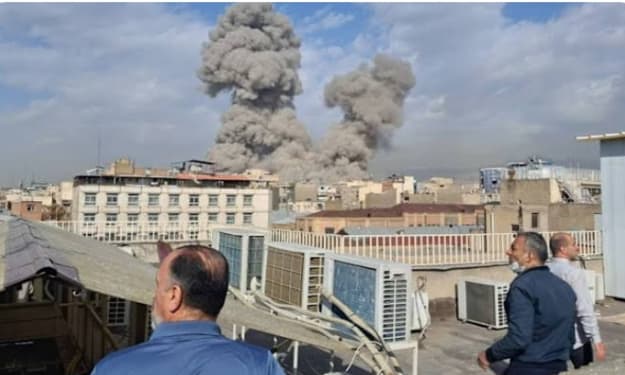
In one of the most significant geopolitical escalations of recent years, the United States and Israel launched large-scale military strikes on Iran, marking the start of what officials described as a “massive and ongoing” campaign against the Iranian government. The operation has rapidly transformed regional tensions into a direct military confrontation that could reshape the balance of power across the Middle East. U.S. President Donald Trump confirmed the attacks in a public address, stating that the operation aims to neutralize what he called “imminent threats” posed by Iran’s missile and nuclear capabilities. The strikes targeted multiple sites across Iran, including military facilities, missile infrastructure, and locations believed to be connected to the country’s nuclear program. � Jerusalem Post +1 Trump went further than previous U.S. leaders by openly suggesting that the campaign could lead to regime change in Iran, urging the Iranian people to take control of their government once the operation concludes. The Military Operation Begins The joint offensive, reportedly coordinated between American and Israeli forces, began in the early hours of February 28, 2026. Explosions were reported in several Iranian cities, including the capital Tehran, as missiles and airstrikes struck strategic military locations. The Israeli government referred to the campaign as Operation Lion’s Roar, describing it as a pre-emptive strike designed to eliminate threats from Iran’s missile systems and nuclear ambitions. � Wikipedia According to early reports: Multiple missile and air-defense installations were targeted. Sites linked to ballistic missile development were struck. Key military infrastructure across several provinces was damaged. Initial casualty estimates from Iranian emergency organizations suggested that more than 200 people were killed and hundreds injured, although these figures remain difficult to independently verify. � Gulf News The scope of the operation suggests careful planning and coordination between the two allies. U.S. and Israeli officials have argued that the strikes were necessary to prevent Iran from expanding its military capabilities and threatening regional stability. Trump’s Call for Regime Change Perhaps the most controversial aspect of the operation was President Trump’s rhetoric surrounding the attacks. In a video statement posted online, Trump called on Iranian citizens and military personnel to abandon the current leadership and take control of their country. He stated that the objective of the campaign is to eliminate threats from the Iranian regime and ensure that Iran cannot develop nuclear weapons in the future. � Jerusalem Post Trump also issued a warning to Iranian military forces, particularly the powerful Islamic Revolutionary Guard Corps, telling them to disarm and cooperate or face severe consequences. His message included two key themes: Protection of U.S. national security Support for the Iranian people against their government By framing the operation as an opportunity for the Iranian population to overthrow its leadership, Trump’s remarks signaled a clear shift from purely military objectives to political transformation. Israel’s Strategic Perspective For Israel, the strikes represent the culmination of years of tension with Iran. Israeli leaders have long argued that Iran’s missile program and nuclear ambitions pose an existential threat to their country. Israeli Prime Minister Benjamin Netanyahu said the operation was launched to remove that threat and create conditions for a safer Middle East. Netanyahu emphasized that Iran’s leadership has consistently called for the destruction of Israel and supported militant groups throughout the region. From Israel’s perspective, allowing Iran to expand its military capabilities would increase the risk of future conflict and destabilize neighboring countries. The decision to act militarily, therefore, reflects a strategic calculation that diplomacy alone has failed to contain Iran’s ambitions. Iran’s Reaction and Threats of Retaliation Iranian officials quickly condemned the attacks, calling them illegal and unjustified acts of aggression. Iran’s foreign ministry accused the United States of abandoning diplomacy and warned that Tehran would respond decisively. Military officials vowed retaliation against both American and Israeli targets. Within hours of the strikes, reports emerged of missile launches toward Israel and U.S. military facilities in the region. Iran’s leadership framed the operation as proof that Western powers are attempting to destabilize the country and impose political change by force. The possibility of further retaliation raises fears of a broader regional conflict that could involve multiple countries. A Region on Edge The Middle East has experienced numerous conflicts over the past decades, but direct military confrontation between the United States and Iran represents a particularly dangerous escalation. Several factors increase the risk of a wider war: U.S. military bases across the Middle East Iranian-backed armed groups operating in several countries Strategic waterways such as the Strait of Hormuz The involvement of other regional powers Any prolonged conflict could disrupt global energy markets, threaten shipping routes, and destabilize neighboring nations. Many governments around the world have urged restraint and called for an immediate return to diplomacy. Global Reactions The strikes have triggered strong reactions from governments and international organizations. Some U.S. allies have expressed support for the operation, arguing that Iran’s missile and nuclear programs present a genuine security threat. Others have urged caution, warning that military action could escalate into a prolonged war with devastating consequences. The United Nations Security Council convened an emergency meeting to discuss the situation, with diplomats calling for de-escalation and dialogue. European leaders in particular have emphasized the importance of diplomatic solutions and warned that regime change efforts could create further instability. The Human Cost of Conflict While geopolitical strategies dominate headlines, the immediate consequences of the strikes are felt by civilians living in affected areas. Explosions in densely populated regions have raised concerns about casualties and infrastructure damage. Hospitals and emergency services across Iran were reportedly placed on high alert following the attacks. Humanitarian organizations have warned that prolonged conflict could lead to displacement, shortages of medical supplies, and severe economic hardship for ordinary people. The humanitarian dimension of the crisis remains one of the most pressing concerns for international observers. Political Debate Inside the United States Within the United States, the strikes have sparked intense political debate. Supporters of the operation argue that confronting Iran militarily was necessary to prevent the country from developing nuclear weapons and threatening American allies. Critics, however, warn that military intervention could lead to another prolonged Middle Eastern conflict similar to previous wars in Iraq and Afghanistan. Lawmakers from both parties have called for congressional oversight and clearer explanations of the administration’s long-term strategy. The question now facing policymakers is whether the operation will remain limited or evolve into a larger conflict. The Uncertain Path Ahead The situation remains highly volatile. Military analysts suggest several possible scenarios for the coming weeks: Limited conflict — short-term strikes followed by negotiations Escalation — continued retaliation between Iran, Israel, and U.S. forces Regional war — involvement of additional countries or armed groups Much will depend on Iran’s response and whether diplomatic channels can reopen. For now, the world is watching closely as the crisis unfolds. A Turning Point in Middle Eastern Politics The joint U.S.–Israel strikes on Iran represent a defining moment in modern geopolitics. By openly linking military action with the possibility of regime change, the United States has taken a bold and controversial step that could reshape the future of the region. Supporters argue the operation could weaken an adversarial government and strengthen regional security. Critics warn it may ignite a conflict with unpredictable consequences. Either way, the events unfolding today will likely influence international relations, energy markets, and global security for years to come.
By Zahid Hussain8 months ago in The Swamp
Khamenei: Power, Faith, and Iran’s Defining Voice
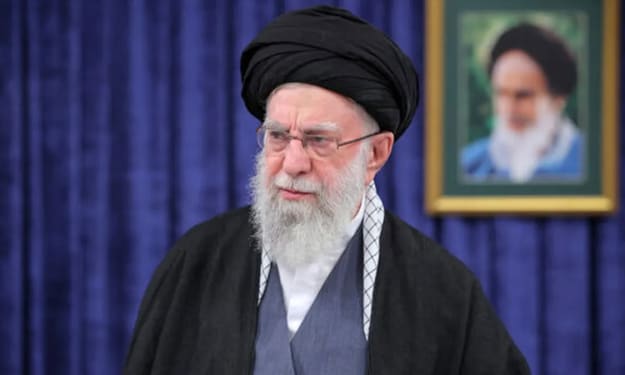
In Iran, one name carries unusual weight across politics, religion, and daily life: Khamenei. For decades, his words have shaped national policy, foreign relations, and the tone of public debate. To some, he represents resistance and religious authority. To others, he symbolizes strict control and limited freedom. Outside Iran, his image often appears in headlines tied to sanctions, protests, or regional conflict. Inside the country, his influence reaches into classrooms, courts, and state media. Understanding Khamenei means understanding modern Iran itself. His life story connects revolution, war, ideology, and power. Whether admired or criticized, Khamenei remains one of the most influential figures in the Middle East, and his leadership continues to define Iran’s direction in a changing world.
By Muqadas khan8 months ago in The Swamp
Global Reaction to US, Israeli Attacks on Iran. AI-Generated.
The world is watching with bated breath after the United States and Israel launched military strikes on targets in Iran earlier this week. Official statements describe the operations as necessary to counter perceived threats from Tehran’s nuclear and missile programs, but the attacks have triggered a wave of global reactions — ranging from outright condemnation to urgent calls for diplomacy.
By Sajida Sikandar8 months ago in The Swamp
Delta Pauses Flights Between New York-JFK and Tel Aviv Through March 1. AI-Generated.
Delta Air Lines has announced a temporary suspension of its direct flights between New York-JFK and Tel Aviv, extending the pause through March 1. The decision comes amid ongoing security concerns and operational challenges in the region, highlighting the continued impact of geopolitical instability on international air travel.
By Sajida Sikandar8 months ago in The Swamp
ARY Gets Closer to Acquiring Nukta as Deal Nears Final Stage. AI-Generated.
Pakistan’s media landscape appears to be on the brink of a significant transformation as ARY Digital Network moves closer to acquiring Nukta, with reports suggesting that the deal has entered its final stage. If completed, the acquisition could reshape the country’s digital journalism ecosystem by blending traditional broadcast power with a fast-growing digital-first platform.
By Sajida Sikandar8 months ago in The Swamp
Trump Says He Is ‘Not Happy’ With Iran Nuclear Talks but Signals More Time for Diplomacy. AI-Generated.
Tensions surrounding Iran’s nuclear ambitions have once again taken center stage as former U.S. President Donald Trump publicly expressed dissatisfaction with ongoing negotiations while signaling a willingness to allow more time for diplomacy. His remarks highlight the delicate balance between pressure and patience that continues to define relations between the United States and Iran. Trump’s statement reflects broader uncertainty surrounding the future of nuclear negotiations and underscores the challenges facing global leaders attempting to prevent nuclear proliferation while avoiding military confrontation. A Familiar and Contentious Issue Iran’s nuclear program has long been a source of international concern. Western nations, particularly the United States, fear that Iran could develop nuclear weapons capability under the guise of civilian nuclear energy development. Iran, however, has consistently maintained that its nuclear activities are intended solely for peaceful purposes, including energy production and medical research. The issue gained global attention with the signing of the Joint Comprehensive Plan of Action (JCPOA) in 2015. The agreement involved Iran and several world powers, including the United States, and aimed to limit Iran’s nuclear program in exchange for sanctions relief. However, in 2018, Trump withdrew the United States from the agreement, arguing that it failed to adequately prevent Iran from eventually developing nuclear weapons. The withdrawal marked a turning point in U.S.-Iran relations and led to renewed tensions, economic sanctions, and diplomatic standoffs. Trump’s Renewed Criticism of the Talks Trump’s recent comments indicate frustration with the pace and effectiveness of ongoing negotiations. By stating he is “not happy,” he signaled skepticism about whether the current diplomatic approach is producing meaningful results. At the same time, his willingness to allow more time suggests recognition that diplomacy remains the preferred option over confrontation. This dual message reflects a broader strategy of maintaining pressure while keeping communication channels open. Trump has consistently emphasized a hardline stance toward Iran, advocating for stronger agreements with stricter enforcement mechanisms. His administration’s “maximum pressure” campaign aimed to weaken Iran economically in hopes of forcing concessions. Even now, his rhetoric continues to influence political discourse surrounding Iran policy, both domestically and internationally. Iran’s Perspective and Strategic Position From Iran’s standpoint, nuclear negotiations represent both an opportunity and a challenge. Sanctions imposed by the United States and its allies have had significant economic consequences, limiting Iran’s ability to trade internationally and affecting its currency, inflation, and employment levels. Iranian officials have repeatedly called for sanctions relief as part of any agreement. Leaders in Tehran argue that economic restrictions unfairly punish ordinary citizens and undermine trust in diplomatic processes. However, Iran has also demonstrated resilience, strengthening trade relationships with other countries and expanding domestic production to reduce dependence on foreign imports. This complex dynamic makes negotiations particularly difficult, as both sides seek to protect their national interests while avoiding escalation. Global Stakes and Regional Stability The outcome of Iran’s nuclear negotiations carries significant implications for global security. A successful agreement could reduce the risk of nuclear proliferation and ease tensions in the Middle East, a region already marked by conflict and political instability. Conversely, a breakdown in talks could increase the likelihood of confrontation. Military conflict between Iran and the United States—or involving regional allies—would have far-reaching consequences, including economic disruption and humanitarian concerns. Countries around the world are closely monitoring developments. European nations, in particular, have expressed strong support for diplomatic solutions and have worked to facilitate dialogue between the parties. International organizations, including the United Nations, continue to emphasize the importance of peaceful negotiation and compliance with nuclear non-proliferation standards. Domestic Political Implications in the United States Trump’s comments also carry political significance within the United States. Iran policy has long been a divisive issue, with differing views on whether diplomacy or economic pressure is the most effective strategy. Supporters of Trump’s approach argue that strong pressure is necessary to ensure compliance and protect national security. Critics, however, contend that withdrawing from the original nuclear deal increased tensions and made diplomacy more difficult. As a prominent political figure and influential voice, Trump’s statements shape public debate and influence how policymakers approach the issue. The future direction of U.S.-Iran relations may depend not only on international negotiations but also on domestic political developments. The Role of Diplomacy in Preventing Conflict Despite his dissatisfaction, Trump’s willingness to allow negotiations more time highlights an important reality: diplomacy remains the most viable path to resolving complex international disputes. Military action carries enormous risks, including loss of life, economic disruption, and regional instability. Diplomatic agreements, while imperfect, offer a means of managing tensions and reducing threats without resorting to violence. Negotiations require patience, compromise, and trust—qualities that are often difficult to sustain in high-stakes geopolitical conflicts. The challenge lies in finding solutions that address security concerns while respecting national sovereignty. Uncertainty and the Road Ahead The future of Iran’s nuclear negotiations remains uncertain. Trump’s comments reflect broader skepticism but also acknowledge the importance of continued dialogue. Both the United States and Iran face difficult choices. Escalation could lead to unpredictable consequences, while compromise may require political concessions that are difficult to accept domestically. The international community continues to watch closely, aware that the outcome will shape global security for years to come. Ultimately, Trump’s remarks underscore the fragile nature of diplomacy. His dissatisfaction highlights the challenges involved, while his willingness to allow more time reflects recognition that peaceful negotiation remains essential. In a world increasingly defined by geopolitical rivalry, the ability of nations to resolve disputes through dialogue may determine not only regional stability but also the broader future of international peace.
By Jameel Jamali8 months ago in The Swamp