
Strait of Hormuz Tensions: Why a Critical Global Energy Route Remains at Risk
Rising U.S.-Iran Tensions Put Global Shipping, Oil Supplies, and Energy Markets Under Pressure Along the World’s Vital Maritime Chokepoint
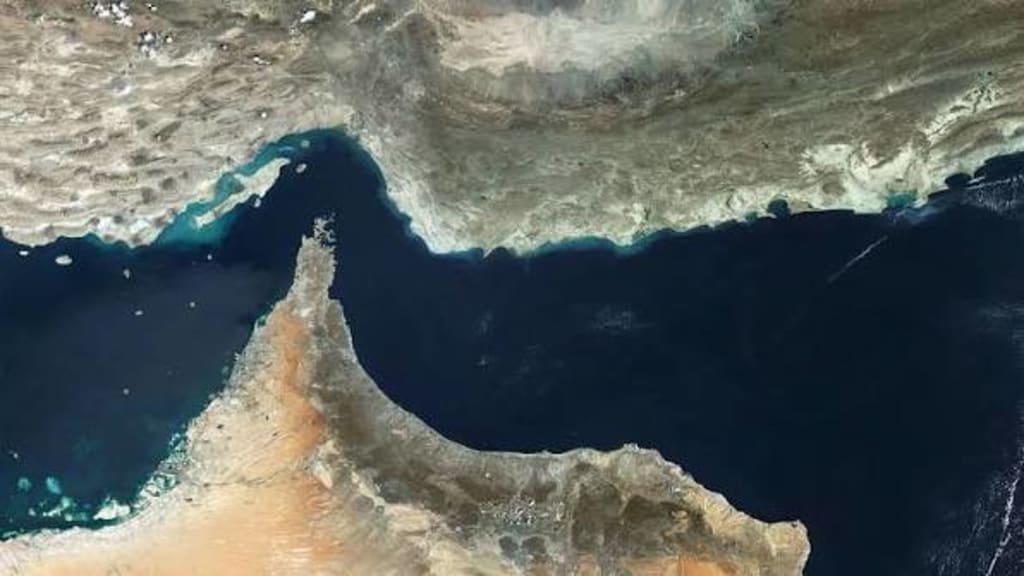
The Strait of Hormuz tensions have become one of the most closely watched geopolitical and economic issues of 2026. The narrow waterway connecting the Persian Gulf with the Gulf of Oman is vital to international energy markets, making any disruption potentially significant for oil prices, shipping costs, inflation, and global supply chains.
As tensions between the United States and Iran remain high, commercial shipping through the region continues to face uncertainty. Recent attacks and competing claims over control of the waterway have increased concerns among ship operators and energy markets. On August 14, a vessel operated by Abu Dhabi National Oil Company was reported to have come under attack while transiting the Strait of Hormuz.
Why the Strait of Hormuz Matters
The Strait of Hormuz is one of the world's most strategically important maritime chokepoints. It lies between Iran to the north and Oman and the United Arab Emirates to the south, providing the main sea route for energy exports from several Gulf producers.
Large quantities of crude oil, petroleum products, and liquefied natural gas normally pass through the waterway. Because alternative routes have limited capacity, a prolonged disruption could create pressure across international energy markets.
The importance of Hormuz extends far beyond the Middle East. Asian economies, including China, India, Japan, and South Korea, are particularly exposed because a substantial share of Gulf energy exports is destined for Asian markets. Any prolonged reduction in shipping can therefore affect fuel costs and industrial activity thousands of kilometers away.
Rising Military and Maritime Risks
The current crisis has developed amid the wider 2026 conflict involving Iran and the United States. Shipping companies have had to assess risks from military activity, warnings to vessels, attacks, insurance concerns, and uncertain navigation conditions.
Recent reporting indicates that shipping traffic has remained disrupted while diplomatic efforts have struggled to produce a durable arrangement for normal maritime operations. Reuters reported that attacks on shipping have continued even as discussions about resolving the wider conflict have faced obstacles.
For commercial operators, uncertainty itself can be costly. A vessel does not necessarily need to be physically attacked for a route to become commercially difficult. Higher insurance premiums, delays, additional security measures, and the possibility of being redirected can all increase transportation costs.
The Latest Dispute Over Control
Political rhetoric surrounding the Strait of Hormuz has also intensified. On August 15, U.S. President Donald Trump said he planned to declare the Strait of Hormuz U.S. territory, a claim that has been strongly rejected by Iran. Iranian officials have argued that the waterway's legal and territorial status cannot simply be changed through a unilateral declaration.
Such statements add another layer of uncertainty to an already sensitive maritime environment. The strait is not merely a military issue; it is also governed by international maritime principles, regional territorial arrangements, and longstanding expectations about freedom of navigation.
Impact on Oil and Gas Markets
The most immediate global concern is energy. When traders believe that oil supplies could be disrupted, prices can rise even before a physical shortage occurs.
Higher crude prices can eventually affect gasoline, diesel, aviation fuel, transportation, manufacturing, and household expenses. Countries that depend heavily on imported energy are especially vulnerable.
Natural gas markets can also be affected. The Gulf is a major source of liquefied natural gas, and restrictions on shipping can create competition for alternative supplies.
The economic consequences therefore extend beyond fuel stations. Higher energy costs can increase production and transportation expenses for companies, potentially contributing to broader inflation.
Shipping Companies Face Difficult Decisions
For shipping companies, the Strait of Hormuz presents a complicated risk calculation. Continuing to use the route may save time and fuel compared with longer alternatives, but security concerns can increase the potential cost of an incident.
Avoiding the waterway can also be expensive. Ships may need to wait offshore, change routes, or remain in safer ports. Longer journeys consume more fuel and require additional time, which can increase freight rates.
Crews are also placed under greater pressure during periods of maritime insecurity. Shipping companies must consider the safety of seafarers alongside commercial obligations.
Diplomacy Remains Critical
Despite the military tensions, diplomacy remains one of the most important factors determining whether the situation improves. Iran has indicated that discussions regarding shipping and the wider conflict remain connected to U.S. actions and conditions.
Iranian Foreign Minister Abbas Araghchi said on August 15 that Tehran had not yet decided whether to return to talks with Washington, while indicating that Oman was involved in discussions concerning routes and the situation around Hormuz.
Oman has historically played an important diplomatic role in communication between Iran and Western governments. Continued diplomatic engagement could provide a path toward reducing maritime tensions without further escalation.
What Happens Next?
The future of the Strait of Hormuz depends on several factors: military developments, U.S.-Iran diplomacy, attacks involving commercial vessels, shipping confidence, and the willingness of regional governments to support a stable maritime environment.
A sustained return to normal shipping would likely require more than political statements. Commercial operators need confidence that vessels can travel safely and predictably. That confidence depends on credible security guarantees and clearer communication between military authorities, governments, and shipping companies.
Conversely, further attacks or aggressive military actions could encourage more companies to avoid the route, increasing pressure on energy markets.
Global Consequences of a Prolonged Crisis
The Strait of Hormuz tensions demonstrate how a relatively narrow waterway can influence the global economy. A disruption in one region can affect fuel prices, shipping costs, inflation, manufacturing, and consumer markets around the world.
The crisis also highlights the importance of energy diversification. Countries that depend heavily on a single maritime route are more exposed to geopolitical shocks. Expanding alternative pipelines, renewable energy, strategic reserves, and diversified suppliers can reduce some of that vulnerability over time.
Conclusion
The Strait of Hormuz remains at the center of a dangerous combination of geopolitical rivalry, maritime insecurity, and economic uncertainty. Recent vessel attacks and increasingly forceful statements from both Washington and Tehran have heightened concerns about the future of commercial navigation.
For the global economy, the central issue is not simply who claims control of the waterway. The bigger question is whether ships can safely and reliably transport energy through one of the world's most important maritime corridors.
Diplomacy, maritime security, and restraint will therefore be crucial. If tensions continue to escalate, the consequences could extend well beyond the Persian Gulf, affecting energy prices and supply chains worldwide. If negotiations succeed, restoring confidence in commercial shipping could become an important step toward stabilizing both regional security and global markets.
About the Creator
Enjoyed the story? Support the Creator.
Subscribe for free to receive all their stories in your feed.
Comments
There are no comments for this story
Be the first to respond and start the conversation.