
States Weigh Bills to Allow You to Make Your Own Electricity
How new legislation could empower households to generate power and reshape the future of energy
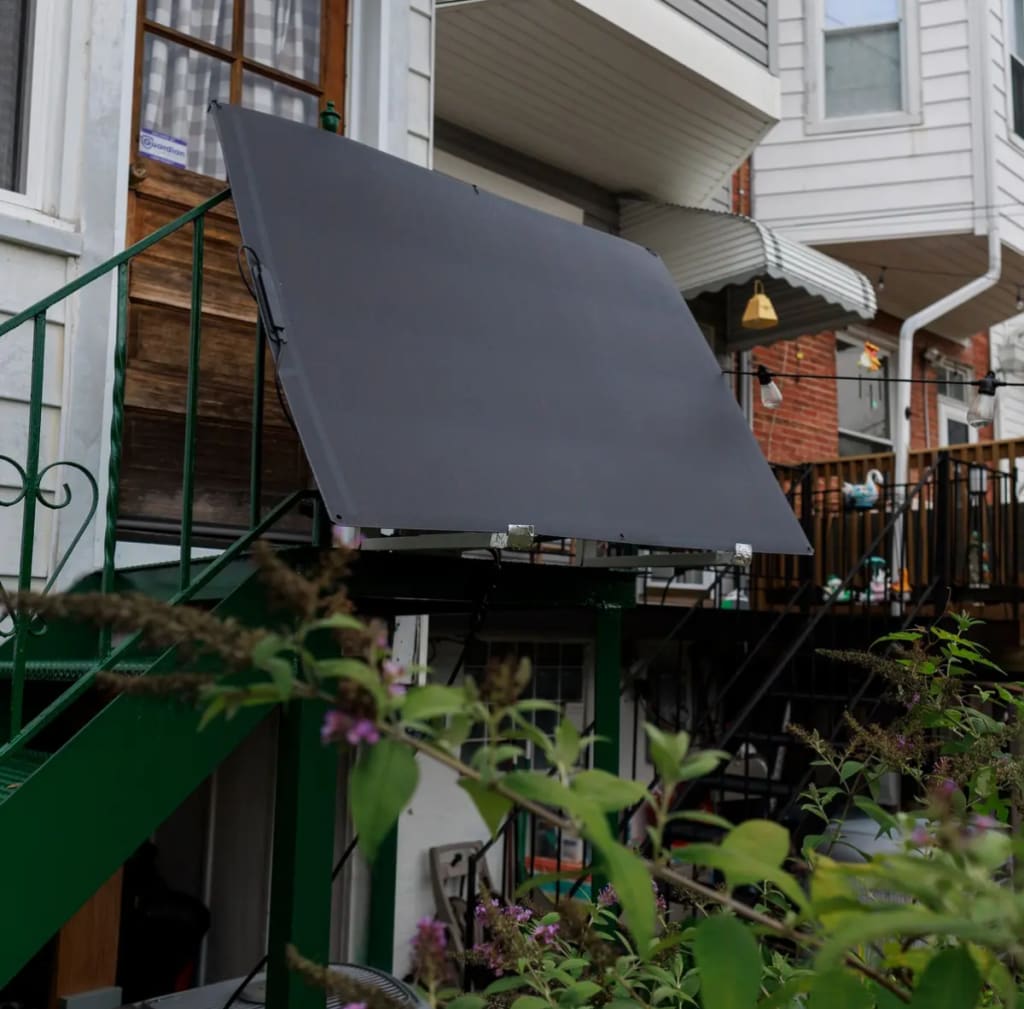
A Shift Toward Energy Independence Across the United States, state lawmakers are considering new bills that would allow individuals and communities to generate their own electricity. These proposals aim to empower homeowners, businesses, and local communities to produce energy through solar panels, wind turbines, microgrids, and other renewable sources. This movement reflects a broader shift toward decentralizing power generation, reducing reliance on large utility companies, and promoting sustainability. As electricity costs rise and climate concerns grow, the idea of producing your own power is becoming increasingly attractive. Why States Are Considering These Bills The push to allow individuals to generate electricity comes from several factors, including rising energy prices, environmental concerns, and technological advancements. Rising Energy Costs Electricity bills have increased in many regions due to inflation, infrastructure upgrades, and growing demand. Allowing people to generate their own power could help reduce household expenses and ease pressure on traditional utilities. Climate Change and Sustainability States are under pressure to reduce carbon emissions and transition to clean energy. Encouraging self-generated electricity from renewable sources supports climate goals and reduces dependence on fossil fuels. Technological Advances Solar panels, battery storage, and smart grid technologies have become more affordable and efficient. These innovations make it feasible for households and communities to produce and manage their own electricity. What the Proposed Bills Include The proposed legislation varies by state, but most bills focus on expanding consumer rights and reducing barriers to self-generation. 1. Right to Install Renewable Energy Systems Some bills guarantee homeowners and businesses the right to install solar panels, wind turbines, or other renewable systems without excessive restrictions from homeowners’ associations or local governments. 2. Net Metering and Compensation Net metering policies allow individuals to sell excess electricity back to the grid. Proposed bills aim to strengthen or expand net metering programs, ensuring fair compensation for energy producers. 3. Community Microgrids Several states are exploring legislation to support community microgrids—localized energy networks that can operate independently during outages. These systems improve resilience and energy security. 4. Tax Incentives and Subsidies To encourage adoption, some bills include tax credits, rebates, or grants for renewable energy installations and battery storage systems. Benefits of Making Your Own Electricity Allowing individuals to generate their own electricity offers numerous advantages for households, communities, and the broader energy system. Lower Energy Bills Self-generated electricity can significantly reduce monthly utility costs. Over time, solar panels and other systems can pay for themselves through savings. Energy Independence Producing your own electricity reduces reliance on centralized power grids and utility companies. This independence is especially valuable during blackouts or emergencies. Environmental Benefits Renewable energy systems reduce greenhouse gas emissions and air pollution. Widespread adoption could help states meet climate targets and improve public health. Economic Opportunities The growth of distributed energy systems creates jobs in installation, maintenance, manufacturing, and technology development. It also encourages innovation in energy storage and smart grid solutions. Challenges and Concerns Despite the benefits, there are challenges and concerns associated with widespread self-generated electricity. Grid Stability Utilities argue that decentralized energy production can complicate grid management. Sudden fluctuations in solar or wind output may require upgrades to grid infrastructure. Equity Issues Not everyone can afford to install renewable energy systems. Renters and low-income households may be left out, potentially widening energy inequality. Utility Revenue Loss Traditional utilities rely on electricity sales to fund infrastructure and maintenance. If many customers generate their own power, utilities may face revenue challenges, potentially leading to higher costs for remaining customers. Regulatory Complexity Implementing new policies requires coordination between state regulators, utilities, and local governments. Balancing consumer rights with grid reliability is a complex task. Community Impact: A Local Energy Revolution Allowing people to generate their own electricity could transform communities. Neighborhoods could share power through microgrids, schools and hospitals could maintain operations during outages, and rural areas could gain reliable electricity without expensive infrastructure projects. Community-driven energy projects also foster collaboration and local investment. Residents become active participants in the energy system rather than passive consumers. Case Studies: States Leading the Way Some states are already ahead in promoting self-generated electricity. California California has long supported rooftop solar through incentives and net metering programs. Community choice aggregation programs allow local governments to procure renewable energy on behalf of residents. Texas Texas encourages distributed energy and has a growing solar and wind market. Microgrids are gaining popularity, especially in remote areas. New York New York’s climate policies include support for community solar projects, allowing renters and apartment dwellers to benefit from renewable energy without installing their own systems. These examples show how policy can accelerate the transition to decentralized energy. The Role of Technology in Personal Power Generation Technology plays a crucial role in enabling individuals to generate and manage electricity. Solar Panels and Wind Turbines Modern solar panels are more efficient and affordable than ever. Small-scale wind turbines are also becoming viable for rural areas. Battery Storage Battery systems allow users to store excess energy for use during nighttime or outages. This technology is essential for maximizing the benefits of self-generated electricity. Smart Grids Smart meters and grid management systems help balance supply and demand, making decentralized energy systems more reliable. Future Outlook: A Decentralized Energy Landscape If states pass these bills, the energy landscape could change dramatically over the next decade. More households could become “prosumers”—both producers and consumers of electricity. This shift could reduce the dominance of centralized power plants, encourage renewable energy adoption, and create a more resilient and flexible energy system. However, success will depend on thoughtful policy design, investment in infrastructure, and efforts to ensure equitable access. What This Means for Consumers For consumers, these bills represent an opportunity to take control of energy usage and costs. Homeowners could reduce their reliance on utilities, while communities could build resilient local power systems. Consumers should stay informed about state policies, incentives, and installation options. Understanding the benefits and costs of renewable energy systems can help households make informed decisions. Conclusion: Empowering People Through Power The movement to allow individuals to generate their own electricity represents a major shift in how energy is produced and consumed. By empowering people to become energy producers, states can promote sustainability, resilience, and economic growth. While challenges remain, the potential benefits are significant. Lower energy bills, reduced emissions, and stronger communities are just some of the outcomes of a decentralized energy future. As lawmakers debate these bills, one thing is clear: the future of electricity may no longer be controlled solely by large utilities but shared by millions of empowered individuals and communities.
About the Creator
Enjoyed the story? Support the Creator.
Subscribe for free to receive all their stories in your feed.
Comments
There are no comments for this story
Be the first to respond and start the conversation.