
Shield AI and Thunder Tiger Complete Maritime Teaming Demo in Taiwan: A New Era of Autonomous Defense Cooperation
The successful Taiwan demonstration highlights how artificial intelligence and autonomous systems are reshaping the future of maritime security and defense cooperation.
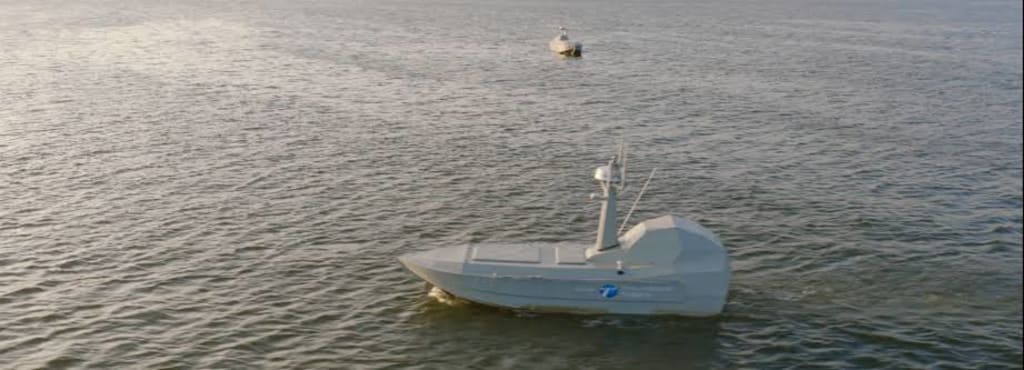
The rapid evolution of autonomous technology is transforming modern military operations, and a recent maritime teaming demonstration in Taiwan has highlighted the growing importance of artificial intelligence in naval security. Shield AI and Thunder Tiger have completed a maritime teaming demonstration that showcased how autonomous systems can work alongside human operators to improve surveillance, coordination, and operational effectiveness in complex maritime environments.
The demonstration represents a significant step in the development of advanced defense technologies, particularly as countries around the world seek new ways to strengthen maritime awareness and security. Autonomous platforms powered by artificial intelligence are increasingly being explored as tools that can support missions traditionally carried out by manned aircraft, ships, and personnel. These systems can help reduce risks to human operators while expanding the ability to monitor large areas of ocean.
Shield AI, a United States-based defense technology company, has gained international attention for developing artificial intelligence systems designed to support military and security operations. The company focuses on creating autonomous capabilities that allow aircraft and other platforms to operate with minimal human control while still following mission objectives. Its artificial intelligence technology is designed to help machines make decisions, navigate environments, and collaborate with other systems.
Thunder Tiger, a Taiwanese company known for its expertise in unmanned systems and advanced engineering, has also played an important role in developing innovative technologies. By combining local expertise with Shield AI’s artificial intelligence capabilities, the maritime demonstration showed how international cooperation can accelerate the development of next-generation defense solutions.
The maritime teaming demonstration focused on the ability of autonomous platforms to operate together in a coordinated environment. Instead of relying entirely on direct human control, autonomous systems can communicate, share information, and adjust their actions based on changing conditions. This approach represents a shift toward more flexible and intelligent defense networks.
Maritime security has become increasingly important in the Indo-Pacific region. The area contains some of the world’s busiest shipping routes and has experienced growing strategic competition. Governments and defense organizations are investing in technologies that improve surveillance, protect maritime interests, and provide early warning of potential threats.
Autonomous maritime systems offer several advantages. They can operate for extended periods, collect valuable information, and support missions in areas where sending human personnel may involve significant risks. Artificial intelligence allows these platforms to process large amounts of data quickly, helping operators make faster and more informed decisions.
The demonstration in Taiwan also reflects a broader trend in modern defense: the move toward human-machine collaboration. Rather than replacing human decision-makers, autonomous systems are designed to enhance their capabilities. Human operators remain responsible for important judgments, while artificial intelligence assists with tasks such as navigation, monitoring, and coordination.
One of the most important benefits of autonomous teaming is improved situational awareness. In maritime operations, understanding what is happening across a large area can be challenging. Ships and aircraft must monitor changing conditions, identify potential concerns, and respond quickly. Autonomous systems can provide additional observation capabilities and help create a more complete picture of the operational environment.
The partnership between Shield AI and Thunder Tiger also demonstrates the increasing importance of defense technology cooperation. Countries and companies are recognizing that innovation often requires collaboration across borders and industries. By combining different areas of expertise, partners can develop solutions that are more effective and adaptable.
However, the growth of autonomous defense technology also raises important discussions about security, responsibility, and regulation. As artificial intelligence becomes more advanced, governments and technology developers must ensure that these systems are used responsibly. Clear guidelines, testing procedures, and human oversight remain essential components of responsible autonomous technology development.
The maritime domain presents unique challenges for autonomous systems. Oceans are unpredictable environments affected by weather, communication limitations, and complex operational conditions. Successful demonstrations like the one conducted by Shield AI and Thunder Tiger are important because they test how autonomous technologies perform outside controlled environments.
For Taiwan, the development of advanced maritime capabilities has strategic importance. The island is located in a region where maritime awareness and security planning are major priorities. Investments in modern technology can help improve monitoring capabilities and support broader defense objectives.
For Shield AI, the demonstration further strengthens its position as a leading developer of artificial intelligence-based defense solutions. The company’s work reflects a growing global interest in autonomous systems that can support military operations while reducing risks to personnel.
For Thunder Tiger, the collaboration highlights Taiwan’s expanding role in advanced technology development. The company’s involvement demonstrates how regional technology firms can contribute to sophisticated defense projects through engineering expertise and innovation.
The future of maritime operations is likely to involve a combination of traditional platforms and autonomous systems. Ships, aircraft, and unmanned vehicles working together could create more efficient and responsive security networks. Artificial intelligence will continue to play a central role in enabling these systems to communicate and cooperate effectively.
The Shield AI and Thunder Tiger maritime teaming demonstration represents more than a technology test; it reflects a major shift in how defense organizations think about future operations. Autonomous systems are becoming valuable partners that can extend human capabilities, improve safety, and provide new solutions to complex challenges.
As global maritime competition continues to evolve, the importance of advanced technology will only increase. Demonstrations such as this show how artificial intelligence and autonomous platforms are shaping the future of security, cooperation, and innovation in the maritime domain.
Subtitle: The successful Taiwan demonstration highlights how artificial intelligence and autonomous systems are reshaping the future of maritime security and defense cooperation.
About the Creator
Enjoyed the story? Support the Creator.
Subscribe for free to receive all their stories in your feed.
Comments
There are no comments for this story
Be the first to respond and start the conversation.