
Saudi economy shrinks as Middle East conflict takes heavy toll
Regional instability, disrupted energy exports, and rising security costs place growing pressure on the Kingdom’s economy
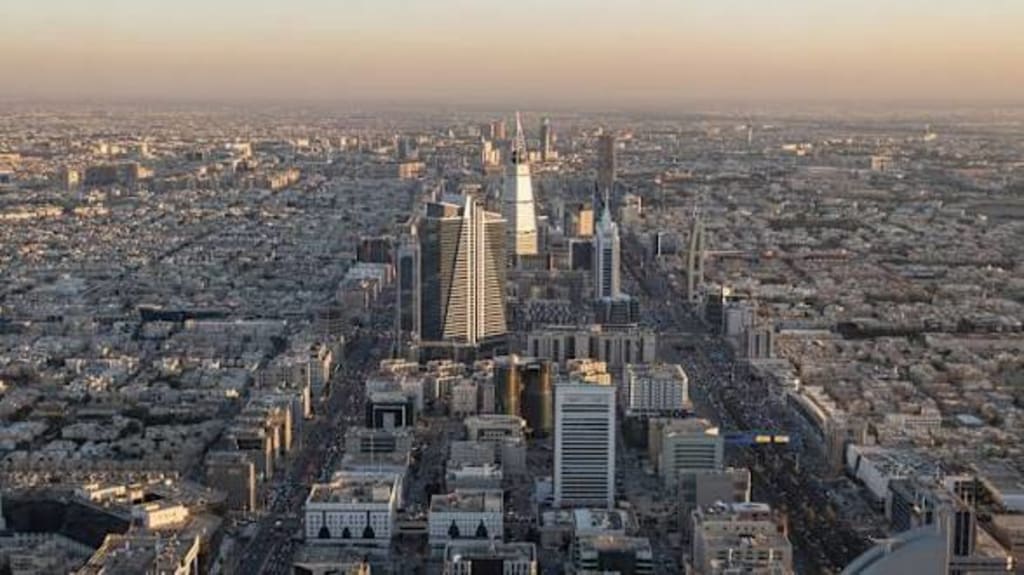
Saudi Arabia’s economy has contracted as the ongoing conflict in the Middle East continues to weigh heavily on trade, investment, and energy exports, highlighting the economic risks facing the region’s largest economy. New economic data indicates that the Kingdom has experienced one of its sharpest slowdowns in recent years, with the impact of regional tensions extending far beyond the battlefield and into financial markets, business activity, and government planning.
According to recent economic reports, Saudi Arabia’s gross domestic product (GDP) shrank significantly during the latest quarter, largely because of disruptions affecting the oil sector. The Kingdom remains the world’s largest oil exporter, and while efforts to diversify the economy have made progress under Vision 2030, oil revenues still play a central role in government finances and overall economic performance.
The conflict has disrupted shipping routes that are critical to global energy markets. The Strait of Hormuz, one of the world’s most important maritime chokepoints, has faced repeated disruptions, making it more difficult and costly for Gulf producers to export oil and gas. Saudi Arabia has attempted to reroute shipments through alternative routes, including ports on the Red Sea, but these alternatives have also faced security concerns linked to regional attacks and instability.
Economic data showed that Saudi Arabia’s oil sector suffered a steep decline compared with the same period a year earlier. Reduced export volumes, transportation challenges, and uncertainty in global energy markets combined to weaken one of the Kingdom’s most important industries. While higher oil prices have helped offset some revenue losses, they have not been enough to fully compensate for reduced export activity.
The impact has extended beyond the energy industry. Businesses across multiple sectors have reported weaker demand, disrupted supply chains, and increased operating costs. Earlier surveys of non-oil business activity showed declines in new orders and export demand, reflecting the broader economic consequences of regional instability. Companies involved in manufacturing, logistics, and international trade have been particularly affected.
Saudi Arabia has spent years promoting economic diversification through major infrastructure projects, tourism development, technology investment, and industrial expansion. These efforts are designed to reduce dependence on oil and create new sources of growth. However, prolonged regional conflict threatens to slow progress by increasing uncertainty among investors and raising concerns about future economic conditions.
Financial markets have also reacted to the deteriorating security environment. Investors generally view geopolitical uncertainty as a risk factor, particularly in regions that play a critical role in global energy supplies. Concerns about military escalation, shipping disruptions, and future energy exports have contributed to market volatility across the Gulf region.
At the same time, the Saudi government has increased spending in several areas, including security, defence, and infrastructure protection. Protecting energy facilities, transportation networks, and strategic assets has become an increasingly important priority as regional tensions persist. While such spending may support economic activity in the short term, it also places additional pressure on public finances.
Economists note that Saudi Arabia remains more resilient than some neighbouring economies because it possesses larger financial reserves, a more diversified economic base, and alternative export routes outside the Gulf. Nevertheless, the Kingdom is not immune to the consequences of prolonged instability. Growth forecasts have been revised downward as analysts assess the continuing impact of conflict on trade, investment, and consumer confidence.
The International Monetary Fund and other economic institutions have repeatedly warned that ongoing conflict in the Middle East could reduce economic growth across the region while increasing inflationary pressures. Higher transportation costs, supply disruptions, and uncertainty in energy markets have created challenges not only for Gulf economies but also for countries around the world that rely on Middle Eastern energy supplies.
Oil remains at the centre of the Kingdom’s economic outlook. Saudi Arabia’s ability to restore export volumes and maintain stable energy flows will likely play a major role in determining how quickly economic growth recovers. Recent data showed fluctuations in exports as authorities worked to adapt to changing conditions and regain lost market share.
Business leaders have expressed cautious optimism that Saudi Arabia’s long-term economic fundamentals remain strong. Major investment projects continue, and the government has reaffirmed its commitment to diversification initiatives. However, many analysts believe that the pace of future growth will depend heavily on improvements in regional security and the restoration of stable trade routes.
The current slowdown serves as a reminder of how closely economic prosperity in the Gulf remains tied to geopolitical stability. Despite significant reforms and diversification efforts, external shocks can still have a substantial impact on economic performance.
As policymakers, businesses, and investors look ahead, the focus will remain on whether regional tensions ease or continue to escalate. For Saudi Arabia, the challenge is not only managing the immediate economic consequences of conflict but also maintaining momentum toward its long-term vision of a more diversified and sustainable economy. While the Kingdom possesses considerable resources and resilience, the latest contraction demonstrates that even the region’s strongest economy is vulnerable when geopolitical instability disrupts the foundations of trade, investment, and energy exports.
About the Creator
Enjoyed the story? Support the Creator.
Subscribe for free to receive all their stories in your feed.
Comments
There are no comments for this story
Be the first to respond and start the conversation.