
Saudi Arabia's dilemma as it tries to stay out of US-Iran war
Riyadh balances its alliance with Washington and efforts to maintain stability with Tehran as regional tensions rise. The kingdom faces growing pressure to protect its security and economy while avoiding direct involvement in a wider conflict. Saudi Arabia’s careful diplomacy is tested as fears grow over a possible US-Iran escalation in the Middle East. Between strategic partnerships and regional peace efforts, Riyadh navigates a dangerous geopolitical crisis. A potential US-Iran confrontation puts Saudi Arabia’s security, energy interests, and diplomatic strategy under pressure.
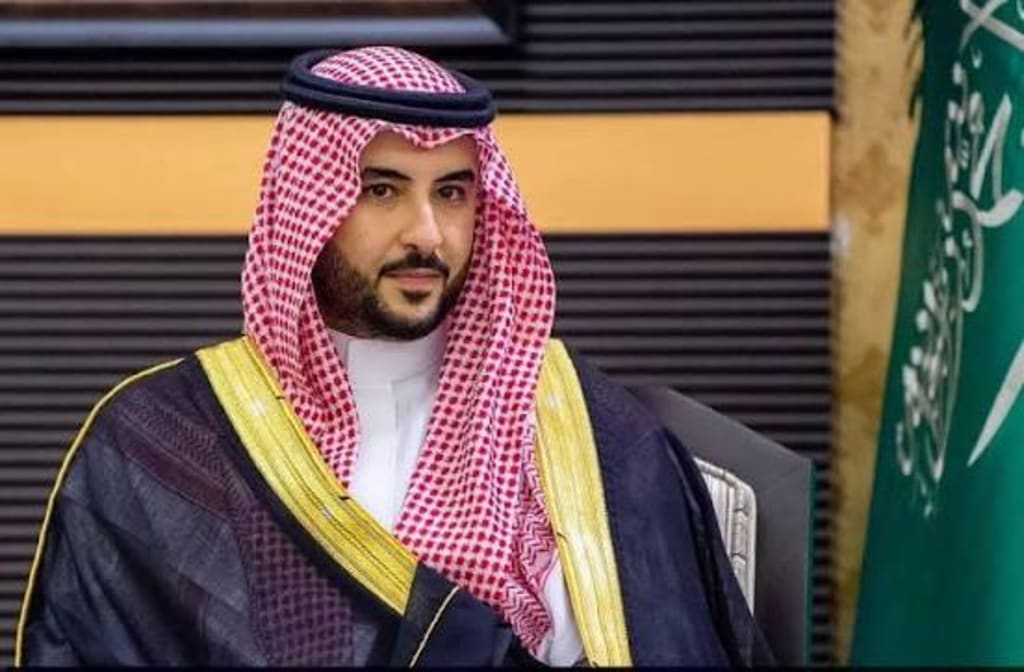
Saudi Arabia faces one of its most difficult foreign policy challenges as tensions between the United States and Iran continue to rise. The kingdom has spent years trying to balance its strategic partnership with Washington while reducing hostility with Tehran. However, any direct military confrontation between the two powers could force Riyadh into a complicated position that threatens regional stability, economic ambitions, and security priorities.
For decades, Saudi Arabia has been one of America’s closest partners in the Middle East. The two countries have maintained strong military, economic, and diplomatic ties, with Washington providing security cooperation while Riyadh remains one of the world’s most influential energy producers. At the same time, Saudi Arabia has also worked to improve relations with Iran through diplomatic efforts aimed at reducing tensions across the region.
The possibility of a wider US-Iran conflict creates a difficult situation for Saudi leaders. Riyadh does not want to become a battlefield in a confrontation between two major powers, especially after years of efforts to attract investment, develop tourism, and diversify its economy beyond oil.
One of Saudi Arabia’s biggest concerns is the security of its critical infrastructure. The kingdom has experienced attacks on oil facilities in the past, demonstrating the vulnerability of energy sites to regional conflicts. A major escalation between Washington and Tehran could increase the risk of missile or drone attacks against Gulf countries, creating economic and security challenges.
Saudi Arabia has also carefully avoided openly supporting military action against Iran. While Riyadh remains closely aligned with the United States on security matters, it has shown interest in maintaining communication channels with Tehran. Saudi officials understand that prolonged conflict could damage the entire Gulf region, affecting trade, investment, and energy markets.
Another challenge is Saudi Arabia’s economic transformation plan. The kingdom is investing heavily in large-scale projects designed to reduce dependence on oil revenues. Stability is essential for attracting foreign companies, international visitors, and investors. A major regional war could slow economic progress and create uncertainty for businesses operating in the country.
The energy market is another important factor. Saudi Arabia plays a central role in global oil supplies, and any conflict involving Iran could threaten shipping routes in the Persian Gulf, particularly the Strait of Hormuz. Disruptions in this area could lead to higher oil prices and increased pressure on the global economy.
Despite these concerns, Saudi Arabia cannot completely separate itself from regional security developments. The kingdom relies heavily on cooperation with the United States for advanced defense systems, intelligence sharing, and military support. Maintaining this relationship remains a key part of Saudi national security planning.
At the same time, Riyadh has been pursuing a more independent foreign policy approach. In recent years, Saudi Arabia has expanded diplomatic engagement with various countries, including China and regional neighbors. This strategy reflects a desire to avoid depending entirely on one global partner and to maintain flexibility during international crises.
Saudi leaders are likely watching developments carefully while avoiding actions that could directly involve them in a conflict. Their preferred approach appears to be diplomacy, deterrence, and maintaining communication with all major players. However, if tensions between Washington and Tehran continue to escalate, remaining neutral may become increasingly difficult.
Iran’s regional influence also remains a major concern for Saudi Arabia. Tehran has relationships with various armed groups across the Middle East, and previous conflicts have demonstrated how quickly regional tensions can spread. Riyadh wants to protect its interests without returning to the cycle of direct confrontation that has shaped much of Middle Eastern politics.
The United States, meanwhile, continues to view Iran as a major security challenge. Washington’s military presence in the region is partly designed to protect allies and maintain freedom of navigation. However, American actions against Iran can create diplomatic challenges for partners such as Saudi Arabia, which must balance cooperation with caution.
The coming months could prove crucial for Saudi Arabia’s regional strategy. The kingdom’s leadership must manage relationships with both Washington and Tehran while protecting domestic economic goals and national security interests.
Saudi Arabia’s dilemma reflects the broader challenge facing many Middle Eastern countries: how to maintain stability in a region where rival powers continue to compete for influence. Riyadh’s priority is likely to avoid direct involvement in conflict while preserving its ability to respond if regional security deteriorates.
As tensions continue, Saudi Arabia’s diplomatic choices will play an important role in shaping the future of the Gulf region. Whether through negotiation, strategic partnerships, or careful neutrality, the kingdom will attempt to protect its interests in an increasingly uncertain geopolitical environment.
About the Creator
Enjoyed the story? Support the Creator.
Subscribe for free to receive all their stories in your feed.
Comments
There are no comments for this story
Be the first to respond and start the conversation.