
Saudi Arabia Joins US in Strikes on Iran-Backed Militias in Iraq
Joint military operation signals a tougher stance against regional security threats. Washington and Riyadh target militia positions amid rising Middle East tensions. Coordinated strikes mark a new phase in efforts to counter Iran-backed armed groups. Regional powers respond to escalating attacks on military and energy infrastructure. Iraq becomes the focal point of growing confrontation between rival Middle Eastern forces.
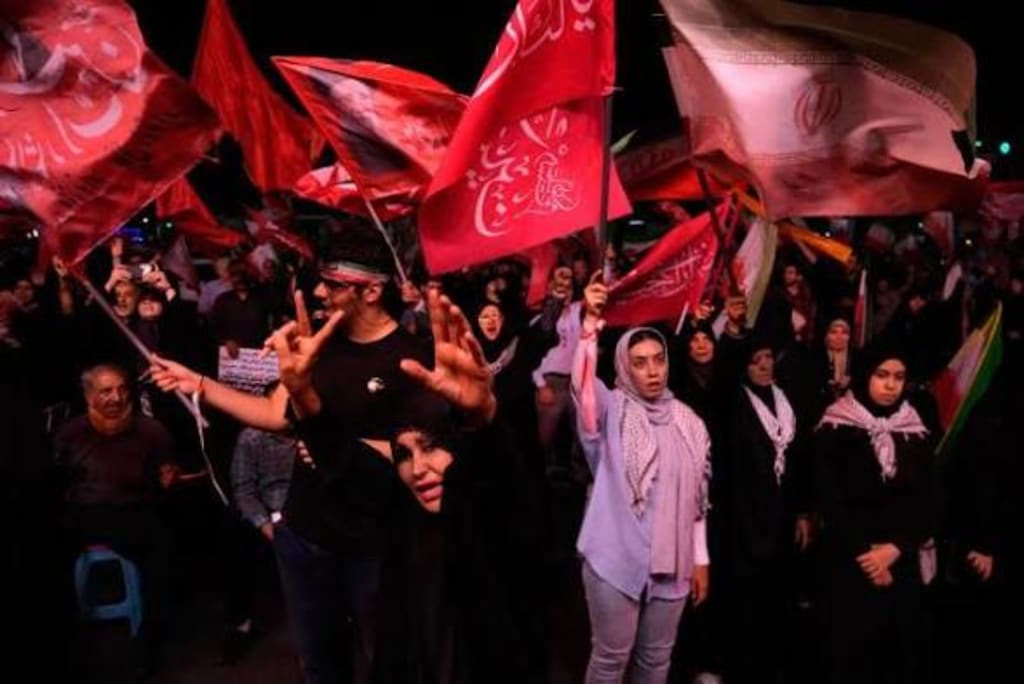
A major escalation in Middle East tensions unfolded on Tuesday as Saudi Arabia joined the United States in carrying out military strikes against Iran-backed militias operating in Iraq. The coordinated operation marks a significant shift in regional security dynamics and highlights growing concerns over attacks targeting American forces and Saudi energy infrastructure.
According to reports, the joint strikes were aimed at militia positions believed to be linked to Iran’s Islamic Revolutionary Guard Corps (IRGC). U.S. Central Command stated that the targeted groups had been involved in planning and conducting attacks against U.S. military personnel and critical Saudi facilities. The operation follows a series of drone and missile incidents that have heightened fears of a broader regional conflict.
Saudi officials said the strikes were carried out in coordination with Washington and were intended to protect national security and regional stability. Riyadh has increasingly expressed concern over attacks on its oil facilities and energy infrastructure, which it attributes to Iran-backed groups operating across the region. The kingdom described the action as a defensive measure against what it called a growing threat from armed militias.
The targeted militias are believed to be part of a network of armed factions that enjoy varying degrees of support from Tehran. These groups have played a significant role in Iraq's security landscape for years and hold substantial political and military influence. Many are affiliated with the Popular Mobilization Forces (PMF), an umbrella organization that was originally formed to fight the Islamic State but later expanded its political and military reach throughout Iraq.
Early reports indicate that multiple militia facilities, weapons depots, and command centers were struck during the operation. While casualty figures remain uncertain, militia representatives claimed that several fighters were killed and injured. Independent verification of the numbers has not yet been possible due to restricted access to the affected areas.
The strikes have triggered strong reactions from Iraqi armed groups, many of which condemned the operation as a violation of Iraqi sovereignty. Several militia leaders warned that the attacks could lead to further instability and retaliation against foreign military interests in the region. Iraqi officials have also expressed concern that their country could become a battleground in the ongoing confrontation between Iran and its regional rivals.
Iran has not immediately issued a detailed response to the strikes, but Tehran has consistently denied directing attacks on Saudi infrastructure or American military installations. Iranian leaders have repeatedly accused the United States of provoking tensions in the Middle East and have criticized efforts to weaken groups aligned with Iran across the region.
Security analysts say Saudi Arabia’s direct participation in the operation is particularly significant. For years, Riyadh relied primarily on diplomatic pressure, intelligence cooperation, and defensive military measures to counter Iranian influence. By joining offensive operations alongside the United States, Saudi Arabia has signaled a willingness to take a more active role in confronting threats beyond its borders.
The development comes at a time when the Middle East is already experiencing heightened instability. Recent attacks on shipping routes, energy facilities, and military bases have raised concerns about the security of global oil supplies and international trade. Analysts warn that any further escalation involving Iran, Saudi Arabia, the United States, or allied militia groups could have serious economic and geopolitical consequences.
Energy markets reacted cautiously to the news, with traders closely monitoring developments for signs of disruption to oil production and transportation routes. The Gulf region remains one of the world's most important energy hubs, and prolonged military tensions could affect supply chains and global fuel prices.
Diplomatic efforts are continuing behind the scenes to prevent the situation from spiraling into a wider conflict. Regional mediators have reportedly been working to reduce hostilities between rival powers, although recent attacks and retaliatory actions have complicated those efforts. International observers have urged all parties to exercise restraint and prioritize dialogue over military confrontation.
The joint U.S.-Saudi strikes represent one of the most notable military developments in the region this year. Whether the operation succeeds in deterring future attacks or instead triggers a new cycle of retaliation remains uncertain. What is clear, however, is that the Middle East has entered another period of heightened tension, with Iraq once again finding itself at the center of a struggle involving regional and global powers.
About the Creator
Enjoyed the story? Support the Creator.
Subscribe for free to receive all their stories in your feed.
Comments
There are no comments for this story
Be the first to respond and start the conversation.