
Saudi Arabia Builds Maritime Coalition to Keep Red Sea Shipping Moving
As security challenges threaten one of the world's busiest trade routes, Saudi Arabia is leading regional and international efforts to safeguard Red Sea shipping and protect global commerce.
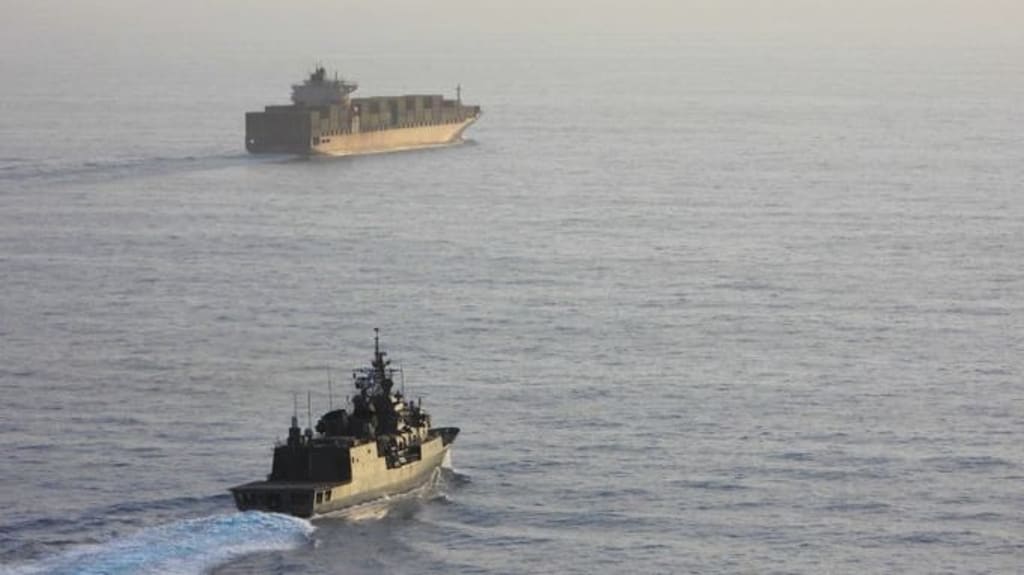
The Red Sea has long been one of the world's most important maritime corridors, serving as a critical link between Europe, Asia, and the Middle East. Every year, thousands of commercial vessels travel through the waterway, carrying energy supplies, manufactured goods, food products, and raw materials. However, increasing security concerns and regional tensions have threatened the smooth flow of maritime trade, prompting Saudi Arabia to take a leading role in strengthening cooperation among regional and international partners. Through diplomatic engagement and security coordination, the Kingdom is working to build a maritime coalition aimed at protecting shipping routes and ensuring the continued movement of global commerce.
The strategic significance of the Red Sea cannot be overstated. Connected to the Mediterranean Sea through the Suez Canal and extending southward to the Gulf of Aden and the Indian Ocean, the route is one of the busiest trade corridors on the planet. A disruption in Red Sea shipping can affect global supply chains, increase transportation costs, and create delays that impact businesses and consumers worldwide. As a result, maintaining stability in the region has become a priority not only for countries bordering the Red Sea but also for major economies that depend on international trade.
Saudi Arabia's efforts to strengthen maritime security are rooted in both economic and strategic considerations. The Kingdom relies on secure shipping lanes for the export of energy products and the import of goods essential to its growing economy. As part of its Vision 2030 economic transformation strategy, Saudi Arabia has invested heavily in logistics, infrastructure, and international trade partnerships. Ensuring the safety of maritime routes is therefore closely linked to the country's long-term development goals.
In recent years, concerns over attacks on commercial vessels, regional conflicts, and threats to maritime navigation have highlighted the need for greater cooperation. Shipping companies have faced increased insurance costs and operational challenges due to security risks. Some vessels have been forced to alter routes, leading to longer transit times and higher expenses. These developments have underscored the importance of coordinated international action to protect freedom of navigation and safeguard global trade.
Saudi Arabia has responded by engaging with neighboring countries, international organizations, and global partners to enhance maritime security coordination. The Kingdom has supported initiatives designed to improve information sharing, strengthen naval cooperation, and increase monitoring of strategic waterways. Through joint efforts, participating nations seek to deter threats, respond rapidly to incidents, and maintain confidence among commercial shipping operators.
A key aspect of the coalition-building effort involves diplomacy. Saudi officials have emphasized the importance of collective responsibility in protecting international shipping lanes. Rather than relying solely on military measures, the Kingdom has promoted dialogue and cooperation among countries with shared interests in maritime stability. This approach reflects the understanding that long-term security requires both effective deterrence and strong diplomatic relationships.
Technology is also playing an increasingly important role in maritime security. Modern surveillance systems, satellite monitoring, and advanced communication networks enable authorities to track vessel movements and identify potential threats more effectively. Saudi Arabia has invested in modernizing its maritime capabilities and expanding cooperation with partners that possess advanced naval and technological expertise. These investments help strengthen the overall resilience of shipping operations in the Red Sea region.
The economic stakes are substantial. The Red Sea serves as a major artery for international commerce, connecting manufacturing centers in Asia with consumer markets in Europe and beyond. Disruptions to maritime traffic can have ripple effects throughout the global economy. Delays in shipping schedules may affect supply chains, increase costs for businesses, and contribute to inflationary pressures in various sectors. By working to keep shipping routes open and secure, Saudi Arabia is contributing to broader efforts aimed at supporting global economic stability.
Regional cooperation remains central to these objectives. Countries bordering the Red Sea share a common interest in preventing instability and ensuring the safe movement of vessels through their waters. Collaborative security initiatives can help address challenges more effectively than unilateral actions. By fostering partnerships and encouraging coordination, Saudi Arabia aims to strengthen collective capacity to respond to emerging threats.
International shipping companies have welcomed efforts to improve maritime security. Reliable and predictable trade routes are essential for global commerce, and industry stakeholders closely monitor developments affecting major shipping corridors. Enhanced security measures can help reduce uncertainty, support investor confidence, and encourage continued economic activity throughout the region.
Saudi Arabia's leadership in maritime security also reflects its broader role in regional diplomacy and economic development. As one of the Middle East's largest economies, the Kingdom has significant influence in shaping initiatives that promote stability and cooperation. Its efforts to build partnerships around Red Sea security demonstrate a recognition that economic prosperity and regional security are closely interconnected.
Looking ahead, challenges are likely to remain. Geopolitical tensions, evolving security threats, and changing trade patterns will continue to test the resilience of maritime networks. Nevertheless, coordinated action among regional and international partners can help mitigate risks and strengthen the foundations of global commerce. Continued investment in technology, diplomacy, and security cooperation will be essential to maintaining confidence in one of the world's most important shipping routes.
Ultimately, Saudi Arabia's maritime coalition initiative highlights the growing importance of international collaboration in safeguarding global trade. By bringing together partners committed to protecting freedom of navigation and ensuring the uninterrupted movement of goods, the Kingdom is helping address one of the most pressing challenges facing modern commerce. As the Red Sea remains a vital gateway for international shipping, efforts to enhance security and cooperation will continue to play a crucial role in supporting economic stability and global connectivity.
About the Creator
Enjoyed the story? Support the Creator.
Subscribe for free to receive all their stories in your feed.
Comments
There are no comments for this story
Be the first to respond and start the conversation.