
Russia’s Largest Military Shipyard Floats Out Next Yasen-M Class Nuclear Powered Attack Submarine
Inside Russia’s Underwater Power Shift: The Advanced Yasen-M Submarine and the Future of Naval Warfare” “A New Era Beneath the Waves: How Russia’s Latest Nuclear Attack Submarine Strengthens Its Military Strategy” “Russia’s Silent Weapon: The Technology, Power, and Global Impact Behind the Yasen-M Submarine Program” “From Sevmash to the Deep Sea: The Rise of Russia’s Next-Generation Nuclear Submarine Fleet” “The Hidden Battle Beneath the Oceans: Why Russia’s New Yasen-M Submarine Matters”
A New Chapter in Russia’s Undersea Warfare Strategy
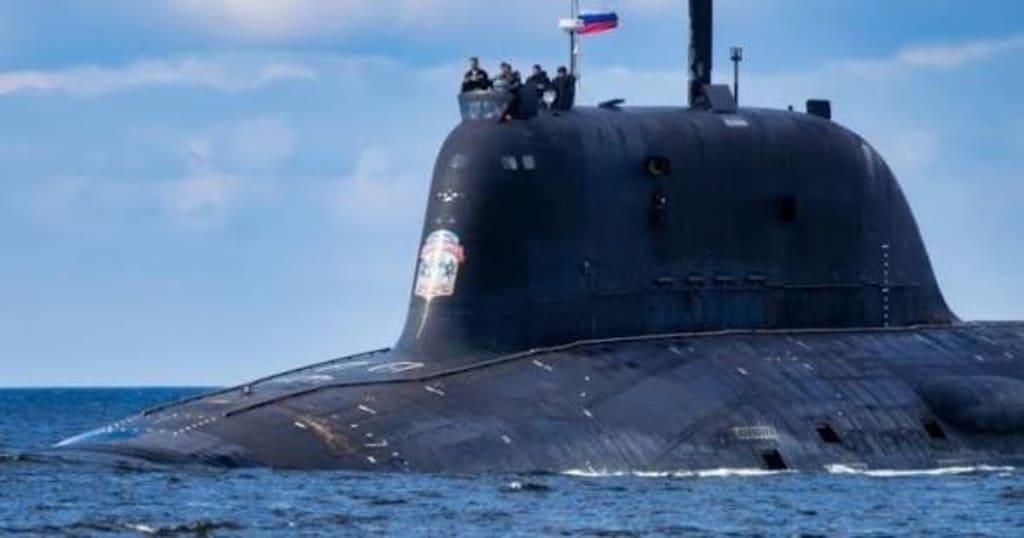
Russia has taken another major step in expanding its nuclear-powered submarine fleet with the floating out of a new Yasen-M class nuclear-powered attack submarine from one of the country’s largest naval shipyards. The event highlights Moscow’s continued focus on strengthening its underwater capabilities at a time when naval competition between major powers is increasing.
The Yasen-M class, also known as the Project 885M class, represents one of Russia’s most advanced submarine programs. Designed to replace older Soviet-era attack submarines, these vessels combine stealth technology, advanced sensors, and powerful missile systems designed for long-range precision strikes.
The submarine was floated out from the Sevmash shipyard in Severodvinsk, Russia’s primary facility responsible for constructing nuclear-powered submarines. The shipyard has produced many of the Russian Navy’s most important submarine classes and remains central to Moscow’s strategic naval ambitions.
The Importance of the Yasen-M Program
The Yasen-M submarines are considered among the most capable attack submarines in the Russian Navy. Unlike ballistic missile submarines, which focus mainly on nuclear deterrence, attack submarines are designed for a wider range of missions, including hunting enemy submarines, tracking naval forces, intelligence gathering, and launching conventional or nuclear-capable missiles.
One of the key features of the Yasen-M class is its ability to carry advanced cruise missiles. These submarines can launch systems such as the Kalibr cruise missile and have been linked to future integration of newer hypersonic weapons. This gives Russia the ability to strike targets far from its own coastline while keeping the submarine platform hidden beneath the ocean.
The submarine’s nuclear propulsion system allows it to remain underwater for extended periods without needing to surface frequently. This provides operational advantages by increasing endurance and making detection more difficult.
Sevmash: The Heart of Russia’s Submarine Industry
The Sevmash shipyard plays a crucial role in Russia’s defense industry. Located on the White Sea coast, it is the country’s only major producer of nuclear-powered submarines. The facility has built vessels ranging from Soviet-era strategic submarines to modern platforms designed for twenty-first-century naval warfare.
The construction of advanced submarines requires specialized technology, highly trained workers, and significant financial investment. Each Yasen-M submarine represents years of engineering, testing, and manufacturing efforts.
The continued production of these submarines shows that Russia is prioritizing underwater capabilities despite economic pressure, international sanctions, and challenges affecting its defense sector.
A Response to Growing Naval Competition
The launch of another Yasen-M submarine comes as global naval competition intensifies. The United States, China, Russia, and other military powers are investing heavily in submarine technology because underwater platforms are considered critical tools for modern warfare.
Submarines provide strategic advantages because they can operate secretly, gather intelligence, protect naval forces, and threaten distant targets. For Russia, maintaining a strong submarine fleet is especially important because its navy faces geographic challenges, with forces divided between the Arctic, Pacific, Baltic, Black Sea, and Northern fleets.
The Arctic region has become increasingly important due to changing military activity and competition over strategic routes and resources. Russian submarines are expected to play a major role in protecting Moscow’s interests in the region.
Technological Improvements and Challenges
The Yasen-M class includes several improvements over the original Yasen design. These include upgraded electronics, improved automation, reduced noise levels, and enhanced combat systems.
However, building advanced nuclear submarines is a complex process. Russia has faced delays in submarine production due to technical difficulties, supply chain issues, and economic restrictions. Modern submarine programs require access to advanced materials and precision manufacturing capabilities.
Despite these challenges, Russia has continued expanding the Yasen-M fleet. Each new submarine adds additional capability to the Russian Navy and strengthens its ability to conduct operations in distant waters.
Strategic Message Behind the Launch
Beyond military capability, the floating out of a new submarine also carries political significance. Such events demonstrate Russia’s intention to remain a major naval power and send a message to both domestic and international audiences.
The Kremlin has repeatedly emphasized the importance of modernizing its armed forces. Advanced submarines are a visible symbol of technological strength and strategic independence.
At the same time, military analysts note that the true effectiveness of any submarine depends not only on technology but also on training, maintenance, operational experience, and the ability to integrate the vessel into wider naval strategies.
Conclusion
The arrival of another Yasen-M class nuclear-powered attack submarine marks a significant development for Russia’s naval modernization program. Built at the Sevmash shipyard, the submarine represents a combination of advanced engineering, long-range strike capability, and underwater endurance.
As global military competition continues, submarines will remain among the most important assets for major powers. Russia’s investment in the Yasen-M program shows that Moscow views undersea warfare as a central element of its future defense strategy.
While questions remain about production challenges and operational costs, the continued growth of Russia’s nuclear submarine fleet demonstrates that the underwater arms race is entering a new and increasingly advanced phase.
About the Creator
Enjoyed the story? Support the Creator.
Subscribe for free to receive all their stories in your feed.
Comments
There are no comments for this story
Be the first to respond and start the conversation.