
russian public opinion on putin
"Understanding the Forces Shaping Support, Criticism, and Political Attitudes Across Russia" "Behind the Polls: Exploring How Russians View Leadership, War, and the Future" "A Look at Stability, National Identity, and Changing Public Sentiment in Modern Russia" "The Complex Relationship Between Putin’s Leadership and Russian Society" "How Politics, Media, and Economic Challenges Influence Views of Russia’s President"
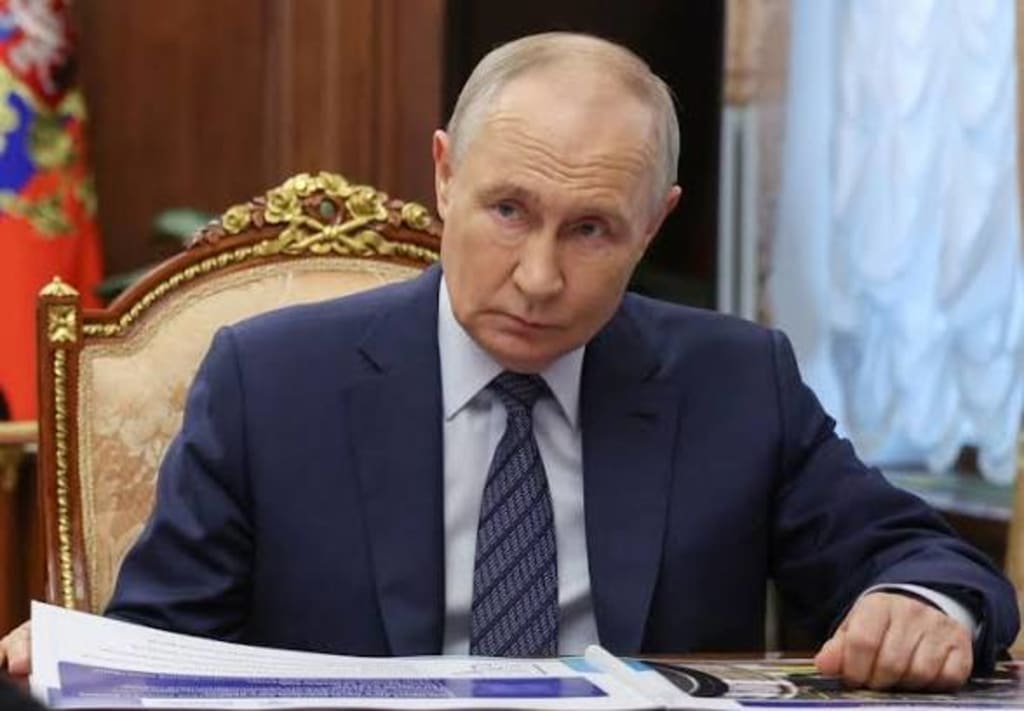
Understanding public opinion in Russia regarding President Vladimir Putin is one of the most debated issues in global politics. For more than two decades, Putin has remained the central figure in Russian political life, maintaining power through a combination of state institutions, economic policies, national identity narratives, and strict control over the political environment. However, the question of how ordinary Russians truly view his leadership is far more complicated than simple approval ratings suggest.
Public surveys conducted by Russian and international organizations have often shown significant levels of support for Putin. Many Russians credit him with restoring stability after the economic and political uncertainty of the 1990s. Supporters frequently point to improvements in national pride, stronger state institutions, and Russia’s increased influence on the world stage as reasons for backing his leadership.
For many citizens, especially older generations, Putin represents a period of order and predictability. The collapse of the Soviet Union and the difficult transition years that followed created memories of instability for millions of Russians. Putin’s image as a leader who brought strength and control has remained important among parts of the population.
However, measuring public opinion in Russia is challenging. The country’s political environment has changed significantly, particularly after the invasion of Ukraine in 2022. Independent media organizations have faced restrictions, opposition figures have been imprisoned or forced abroad, and public criticism of government policies can carry serious legal risks. These conditions make it difficult for researchers to determine the full range of views among Russian citizens.
Some analysts argue that official approval numbers may not completely reflect private opinions. In tightly controlled political systems, some people may avoid expressing criticism openly because they fear consequences or social conflict. Others may genuinely support the government’s position or prioritize stability over political disagreement.
The war in Ukraine has become one of the most important factors influencing Russian public opinion. The Kremlin has presented the conflict through a national security narrative, emphasizing threats from foreign powers and portraying military actions as necessary to protect Russian interests. Many citizens who rely heavily on state-controlled media have received information shaped by this official perspective.
At the same time, the war has created personal and economic consequences for many Russian families. Military casualties, mobilization efforts, economic pressure, and international sanctions have affected communities across the country. Some Russians have expressed concern about the human and financial costs of the conflict, while others continue to support the government’s position.
Generational differences also play a role in attitudes toward Putin. Older Russians often have stronger connections to Soviet history and may value stability and national power. Younger Russians, especially those with greater access to international information through the internet, may have different expectations regarding politics, economic opportunities, and personal freedoms. However, younger generations are not politically uniform, and views vary widely depending on region, education, and personal experiences.
Economic conditions remain another major influence on public sentiment. During periods of economic growth, governments often benefit from increased public confidence. However, inflation, reduced purchasing power, and limited opportunities can create dissatisfaction. Despite these pressures, Putin’s government has maintained support among many citizens by emphasizing national sovereignty and portraying external pressure as a challenge that requires unity.
Regional differences within Russia also contribute to a complex picture. Attitudes in major cities such as Moscow and St. Petersburg may differ from views in smaller towns and rural areas. Local economic conditions, access to information, and cultural factors all influence how people perceive national leadership.
Another important factor is political alternatives. Some citizens who may be dissatisfied with certain government policies do not necessarily support opposition movements. Years of restrictions on political competition have limited the visibility and influence of alternative leaders. As a result, some Russians may view Putin as the only realistic political option available.
International observers continue to debate the strength and durability of Putin’s support. Some analysts argue that his political system remains stable because it combines genuine public support with strong state control. Others suggest that underlying dissatisfaction could become more visible during periods of serious economic or political change.
Ultimately, Russian public opinion on Putin cannot be understood through a single statistic or simple narrative. It includes genuine support, political loyalty, fear of expressing criticism, uncertainty about alternatives, and concerns about the country’s future. Different groups within Russian society experience and interpret the government’s policies in different ways.
As Russia continues to face international tensions, economic challenges, and the ongoing consequences of the war in Ukraine, public attitudes toward Putin will remain a significant factor in the country’s political future. Understanding those views requires looking beyond official statements and examining the complex social, economic, and political realities shaping everyday life in Russia.
About the Creator
Enjoyed the story? Support the Creator.
Subscribe for free to receive all their stories in your feed.
Comments
There are no comments for this story
Be the first to respond and start the conversation.