
Russia drops record number of glide bombs on Ukraine as casualties pile up
The intensified use of powerful glide bombs is changing the battlefield in Ukraine, creating new challenges for air defenses and frontline communities.
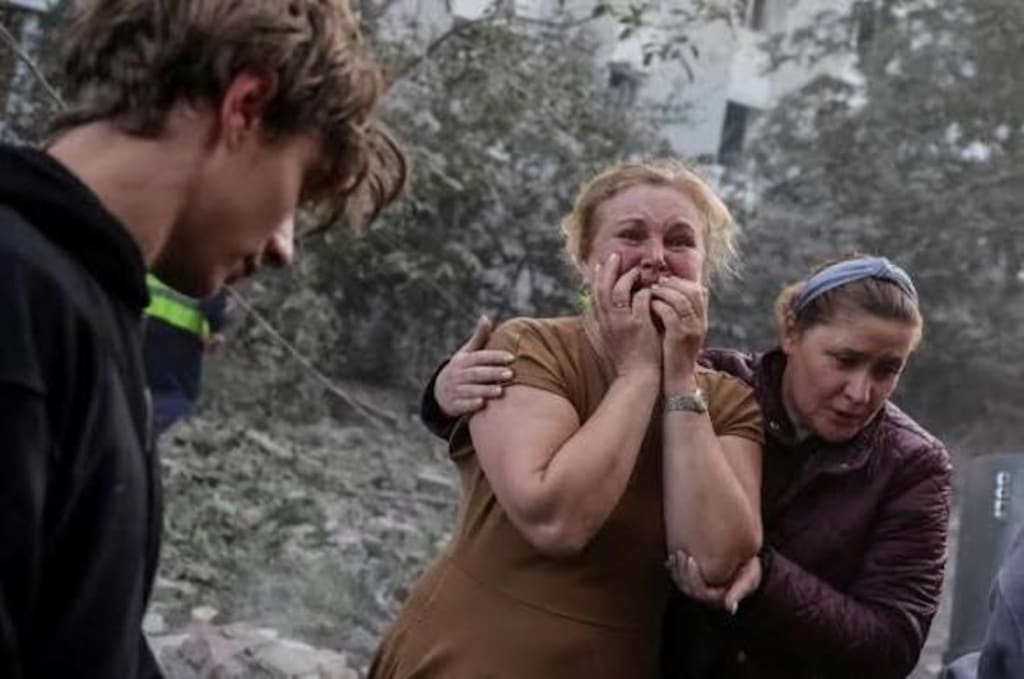
Russia’s increasing use of glide bombs in Ukraine has become one of the most significant developments in the ongoing war, with Ukrainian officials reporting a sharp rise in attacks involving these powerful weapons. The growing number of strikes has caused widespread destruction, increased civilian casualties, and placed additional pressure on Ukrainian forces struggling to defend frontline areas.
Glide bombs have emerged as a major tool in Russia’s military strategy because they allow aircraft to launch attacks from a safer distance while delivering large explosives with considerable accuracy. Unlike traditional free-fall bombs, glide bombs are equipped with wings and guidance systems that extend their range, allowing them to strike targets far from the aircraft’s position.
Military analysts say the increased use of these weapons has changed the dynamics of ground combat. Russian forces have used glide bombs to target defensive positions, military infrastructure, supply routes, and urban areas near the front line. Their destructive power has made them particularly difficult for Ukrainian troops and civilians living in affected regions.
The rise in glide bomb attacks comes as Ukraine continues facing challenges with air defense capacity. While Ukraine has received advanced Western air defense systems, including technologies designed to intercept missiles and aircraft, defending against large numbers of relatively low-cost glide bombs remains extremely difficult.
Experts explain that the problem is not only the size of the attacks but also the speed and frequency. Russia can produce and modify large quantities of these weapons, creating a situation where Ukraine must carefully manage limited air defense resources.
Frontline communities have experienced some of the worst consequences. Homes, schools, hospitals, and civilian infrastructure have been damaged or destroyed in areas close to active fighting. Many residents have been forced to evacuate as repeated strikes make daily life increasingly dangerous.
Ukrainian officials have repeatedly called on international partners to provide additional air defense systems, ammunition, and military support. They argue that stronger defensive capabilities are necessary to protect both military personnel and civilians from increasingly intense aerial attacks.
Russia’s use of glide bombs reflects a broader adaptation of battlefield tactics. Since the beginning of the full-scale invasion, both sides have continuously changed their strategies based on available technology, intelligence, and military resources. Drones, electronic warfare, long-range missiles, and precision-guided weapons have all become central elements of modern warfare.
Military specialists say glide bombs offer Russia several advantages. They are generally cheaper than many precision missiles while still delivering significant explosive impact. Aircraft can launch them without entering the most heavily defended areas, reducing risks for Russian pilots.
However, the effectiveness of these weapons depends on accurate targeting information. Intelligence gathering, surveillance systems, and battlefield communication networks play a crucial role in determining whether strikes achieve their intended objectives.
The increasing attacks have also raised concerns among international security experts about the future of warfare. The conflict in Ukraine has demonstrated how relatively affordable technologies can have major strategic effects when used on a large scale.
Ukraine has attempted to counter the threat through improved air defense, electronic warfare capabilities, and battlefield adjustments. Ukrainian forces have also targeted Russian aircraft bases and logistical networks in efforts to reduce the ability to launch attacks.
The humanitarian impact remains one of the most serious concerns. Civilian casualties continue to increase as fighting intensifies around populated areas. International organizations have repeatedly called for the protection of civilians and respect for international humanitarian law.
Families living near combat zones face constant uncertainty. Many residents have experienced repeated displacement, loss of property, and psychological trauma caused by ongoing bombardments. Local authorities and humanitarian groups continue providing emergency assistance, shelter, and medical support.
The growing use of glide bombs has also influenced diplomatic discussions surrounding the war. Ukrainian leaders argue that stronger international support is necessary to prevent further destruction, while Russia maintains that its military operations are aimed at achieving strategic objectives.
Analysts believe the role of aerial weapons will remain central in future stages of the conflict. As both sides invest in advanced technology, controlling the skies and protecting critical infrastructure will continue to be among the biggest challenges.
The situation has highlighted the importance of modern air defense systems and the difficulty of protecting large areas during prolonged conflicts. Even advanced military technology faces limitations when confronted with sustained attacks involving large numbers of weapons.
For Ukraine, reducing the impact of glide bombs has become a major priority. Military officials continue seeking additional defensive capabilities, while engineers and researchers work on new methods to detect, intercept, and limit the damage caused by these weapons.
For Russia, glide bombs represent an important part of its battlefield strategy, allowing it to maintain pressure on Ukrainian positions while minimizing risks to its own aircraft. The continued use of these weapons suggests they will remain a significant feature of the conflict.
As the war continues, the humanitarian and military consequences of these attacks are expected to remain a major international concern. The increasing deployment of glide bombs demonstrates how modern conflicts are evolving, with technology playing a decisive role in shaping battlefield outcomes.
The record number of strikes has intensified calls for diplomatic efforts, stronger civilian protections, and continued international attention. Until a political solution is reached, communities across Ukraine remain exposed to the devastating effects of one of the most destructive phases of the conflict.
SEO Keywords: Russia glide bombs Ukraine, Ukraine war latest news, Russian air attacks, Ukraine casualties, military technology, battlefield strategy, air defense systems, Russia Ukraine conflict.
About the Creator
Enjoyed the story? Support the Creator.
Subscribe for free to receive all their stories in your feed.
Comments
There are no comments for this story
Be the first to respond and start the conversation.