
Romania’s Nuclear Reactor Faces New Pressure as Danube Water Levels Remain Dangerously Low
Record-low Danube levels are testing Romania’s nuclear power system as authorities race to protect cooling-water supplies and maintain electricity production.
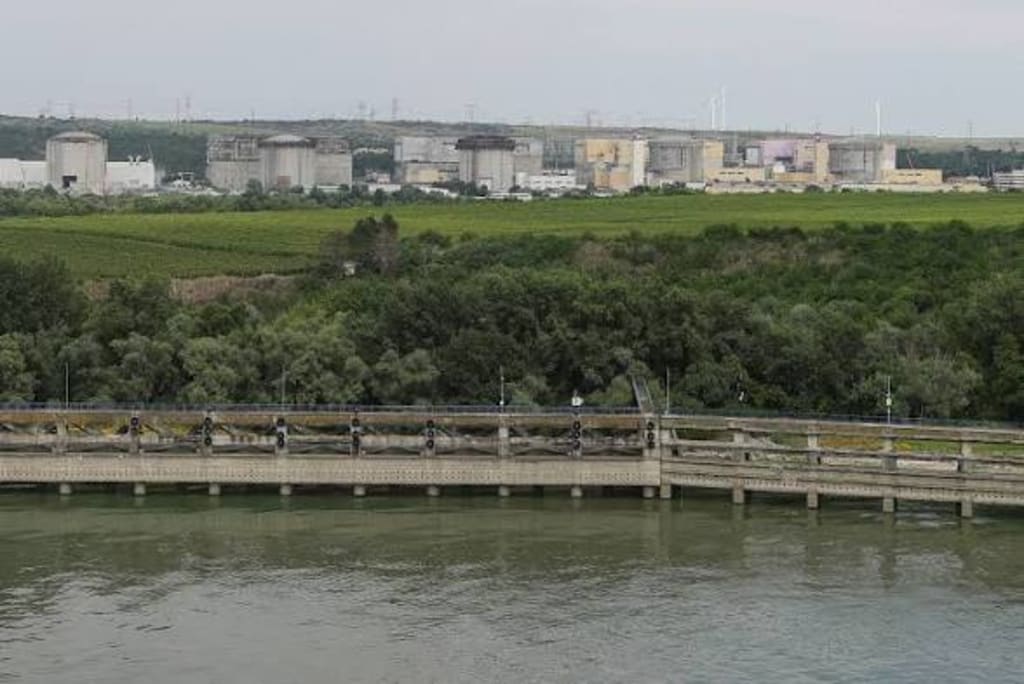
Romania is facing an unusual and growing energy challenge as historically low water levels on the Danube continue to put pressure on the country’s nuclear power generation. The situation has forced authorities to take extraordinary measures around the Cernavoda nuclear power plant, where river water is essential to the cooling system.
The immediate concern is not a nuclear accident but whether there will be enough accessible river water to safely operate the remaining reactor. Romanian authorities are closely monitoring the Danube as forecasts indicate that water levels could continue declining despite emergency interventions.
Why the Danube Matters to Romania’s Nuclear Plant
Romania’s Cernavoda nuclear power station is located beside the Danube and operates two nuclear reactors. The plant is an important part of the country’s electricity system, providing a significant share of national power generation when both units are operating.
Nuclear reactors require reliable cooling systems because enormous amounts of heat are produced during electricity generation. At Cernavoda, the Danube provides the water needed for the plant’s cooling process.
When river levels fall dramatically, the problem is not necessarily that the entire river has disappeared. Instead, the water available at the plant’s intake point can become insufficient for normal operation.
That is why extremely low river levels can become an energy-security problem.
One Reactor Has Already Been Shut Down
The crisis has already affected Romania’s nuclear output. One of Cernavoda’s reactors was shut down as Danube levels reached exceptionally low levels.
The reduction matters because nuclear power normally provides a stable source of electricity regardless of whether the sun is shining or wind is blowing. Losing one reactor during a period of extreme heat therefore places additional pressure on the electricity system.
Romania has already declared an energy emergency for August and has encouraged voluntary reductions in electricity consumption. The country may also need to rely more heavily on electricity imports while nuclear generation remains constrained.
Emergency Engineering Along the River
Romanian authorities have responded with unusual engineering measures designed to redirect more water toward the nuclear plant.
Work has included dredging sections of the riverbed and removing rock obstructions that can restrict the flow of water toward the plant. Authorities have also used barges loaded with rocks to create a temporary structure intended to redirect water toward the Cernavoda intake area.
These measures illustrate how seriously officials are treating the situation.
The objective is not to increase the total amount of water in the Danube overnight. Instead, engineers are attempting to make better use of the water that remains available by improving its flow toward the plant.
The Forecast Is Still Concerning
The most difficult part of the current situation is that emergency engineering cannot solve a prolonged lack of rainfall.
Romania’s water-management authorities have warned that Danube levels could continue falling. Current forecasts indicate that upstream rainfall is not expected to provide enough relief, with declining conditions potentially continuing until at least August 16.
That leaves authorities facing a difficult race against time.
If the river falls beyond the plant’s operational limits, additional restrictions or shutdowns could become necessary. Such an outcome would reduce Romania’s domestic electricity production at precisely the time when extreme heat is increasing demand for cooling.
Europe Is Facing a Wider Water-and-Energy Problem
Romania’s situation is not isolated.
Across parts of Europe, unusually hot weather and drought conditions have placed pressure on rivers and reservoirs. Nuclear, hydropower and other electricity facilities can all be affected when water availability becomes unusually low.
France, Hungary and other European countries have also faced disruptions or restrictions involving power plants and river conditions during the current heatwave.
This is an important reminder that energy security involves more than fuel supplies.
A country may have nuclear reactors capable of producing large quantities of electricity, but those reactors still depend on supporting infrastructure and environmental conditions. Water availability can therefore become a critical part of energy planning.
Is This a Nuclear Safety Crisis?
The distinction between an electricity-production problem and a nuclear safety emergency is important.
The current issue is primarily related to maintaining adequate cooling-water conditions. A reactor can be safely shut down if operating conditions no longer meet requirements.
Therefore, headlines about nuclear reactors being threatened by low water levels should not automatically be interpreted as evidence of an impending radiation incident.
The key objective of operators and regulators is to maintain safe operating conditions. If those conditions cannot be guaranteed, reducing or stopping generation is a normal safety measure.
Climate Pressure Raises Long-Term Questions
The current crisis also raises broader questions about how nuclear plants should be designed for a changing climate.
Cernavoda has operated for decades, and Romania is investing in the future of its nuclear sector. In July, the European Investment Bank approved an €800 million loan connected to the refurbishment of Cernavoda Unit 1, with the refurbished reactor expected to support Romania’s electricity system for decades.
But future energy planning will need to consider increasingly severe weather extremes.
That means evaluating water availability, drought risk, heatwaves, alternative cooling systems and infrastructure designed to remain functional under more challenging environmental conditions.
A Warning for Europe’s Energy Future
The Danube crisis demonstrates how closely water and energy security are connected.
For Romania, the immediate priority is keeping the remaining Cernavoda reactor operating safely while authorities monitor the river and use engineering measures to improve water access.
For Europe, the lesson is broader.
Extreme heat can simultaneously increase electricity demand and reduce the ability of some power stations to operate at full capacity. Rivers that once appeared sufficiently reliable may become much less predictable during prolonged drought.
Romania’s experience therefore offers a warning for the future: energy security cannot be separated from water security.
The coming days will be closely watched as Danube levels continue to determine how much pressure Romania’s nuclear power system can withstand. For now, authorities are working to buy time—but the ultimate solution depends on whether the river receives the water it desperately needs.
About the Creator
Enjoyed the story? Support the Creator.
Subscribe for free to receive all their stories in your feed.
Comments
There are no comments for this story
Be the first to respond and start the conversation.