
Red Arrows Perform Flypast After Cancelled Display
The Red Arrows take to the skies for a formation flypast after their planned display is cancelled, giving spectators a memorable glimpse of Britain’s famous aerobatic team.
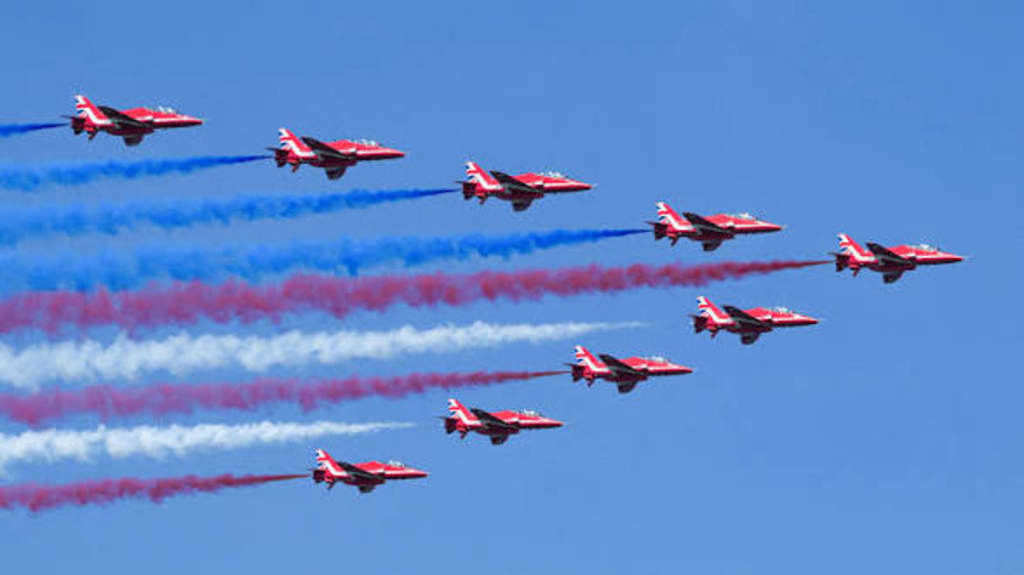
The Royal Air Force Red Arrows have carried out a flypast after a planned aerial display was cancelled, giving spectators an opportunity to see the famous aerobatic team despite the disruption. The Red Arrows are widely recognised for their precision flying, distinctive red aircraft and carefully choreographed formations, making their appearances a major attraction at airshows and public events.
Planned Display Cancelled
The cancellation of an aviation display can be disappointing for spectators who have travelled specifically to watch the Red Arrows perform. Aerobatic demonstrations require carefully controlled conditions, and organisers and pilots must consider factors such as visibility, wind, cloud, aircraft safety and the wider operating environment before allowing a full routine to take place.
A flypast provides a different option. Instead of performing the complete sequence of aerobatic manoeuvres, the aircraft can pass over a designated area in formation. This can allow spectators to see the team while avoiding some of the risks and operational requirements associated with a full aerobatic display.
For the Red Arrows, safety remains the priority. Their performances involve aircraft flying in close formation at high speed, meaning weather and other conditions must be suitable before the full programme can proceed.
Red Arrows Remain a Major Aviation Attraction
The Red Arrows, officially known as the Royal Air Force Aerobatic Team, have become one of Britain's best-known symbols of military aviation. Their displays combine precision, teamwork and carefully rehearsed manoeuvres.
The team normally operates BAE Systems Hawk T1 aircraft, which are specially prepared for the demanding requirements of aerobatic flying. Their bright red appearance makes them highly visible in the sky and has helped establish the Red Arrows as a familiar sight at events across the United Kingdom and internationally.
A typical full display includes a series of formations and manoeuvres designed to demonstrate the skill and coordination of the pilots. Smoke trails are also used to make the aircraft's movements easier for spectators to follow.
Why Aerobatic Displays Can Be Cancelled
Weather is one of the most common factors affecting aviation displays. Strong winds, poor visibility, low cloud and other atmospheric conditions can make aerobatic flying unsuitable.
Even when conditions appear acceptable from the ground, pilots and display directors assess the environment carefully. Aerobatic teams have strict operating limits, and a decision to cancel or modify a display can be made when conditions do not provide an adequate safety margin.
This is especially important for formation aerobatics. Aircraft may be separated by relatively small distances, requiring pilots to maintain precise positions while responding quickly to changing conditions.
Consequently, a cancellation should not necessarily be viewed as a failure. It can demonstrate that organisers and pilots are following established safety procedures.
What a Flypast Means for Spectators
A flypast is considerably shorter than a full aerobatic performance, but it can still be an impressive sight. Several aircraft may pass over the event in a coordinated formation, allowing crowds to photograph and record the moment.
For many spectators, the appearance of the Red Arrows can become one of the highlights of an event even when a full display is unavailable. The distinctive aircraft, formation flying and smoke trails provide a memorable visual experience.
The decision to conduct a flypast after a cancellation can therefore help maintain some connection between the team and the audience while respecting the limitations that prevented the original display.
Precision and Training Behind Every Appearance
The Red Arrows' performances are the result of extensive training. Formation flying requires pilots to maintain concentration, communicate effectively and make extremely precise control inputs.
Their routines are rehearsed repeatedly so that every manoeuvre can be performed consistently. Pilots also have to understand how aircraft behaviour changes with speed, altitude, weather and formation position.
This level of preparation is particularly important because aerobatic flying leaves little room for error. Every performance is therefore supported by planning, technical preparation, safety procedures and professional decision-making.
The team's support personnel also play an important role. Aircraft engineers, technicians, planners and other staff work behind the scenes to ensure the aircraft and equipment are ready for operations.
The Importance of Safety Decisions
When an aerobatic display is cancelled, spectators may naturally wonder why the aircraft cannot simply continue with the planned routine. However, aviation displays operate under strict safety requirements.
A cancellation can protect pilots, spectators and other people involved in an event. A flypast, where appropriate and authorised, can offer a safer alternative while allowing the team to make an appearance.
Such decisions reflect a broader principle in aviation: operational plans can change when conditions change. No display is more important than safety.
Red Arrows Continue Their Legacy
The Red Arrows have built a strong reputation over decades of performances. Their role extends beyond entertainment, as they also represent the professionalism, teamwork and flying skills associated with the Royal Air Force.
Their appearances at public events provide an opportunity for communities to engage with military aviation and learn more about the people and technology behind the aircraft.
Even a short flypast can therefore carry considerable significance. For spectators, it offers a chance to see one of the world's most recognisable aerobatic teams, while for the team it provides an opportunity to maintain its connection with the public.
Conclusion
The Red Arrows' flypast following a cancelled display demonstrates how aviation events can adapt when circumstances prevent a full performance. Although spectators may have expected a longer aerobatic routine, the flypast still provided an opportunity to see the renowned team in formation.
The incident also highlights the importance of safety in professional aerobatic flying. Weather, visibility and other operational factors can change quickly, and pilots must follow strict limits rather than taking unnecessary risks.
For the audience, the sight of the Red Arrows crossing the sky remains a memorable experience. Behind that brief moment are hours of training, preparation, engineering and careful decision-making—all essential elements of a successful military aerobatic performance.
About the Creator
Enjoyed the story? Support the Creator.
Subscribe for free to receive all their stories in your feed.
Comments
There are no comments for this story
Be the first to respond and start the conversation.