
Prince William Honors Africa’s Unsung Heroes: The Dangerous Mission Behind a Night of Royal Recognition
At a London awards ceremony, the Prince of Wales celebrated conservationists protecting endangered wildlife. But behind the glamorous evening were extraordinary stories of courage, sacrifice and hope from across Africa.

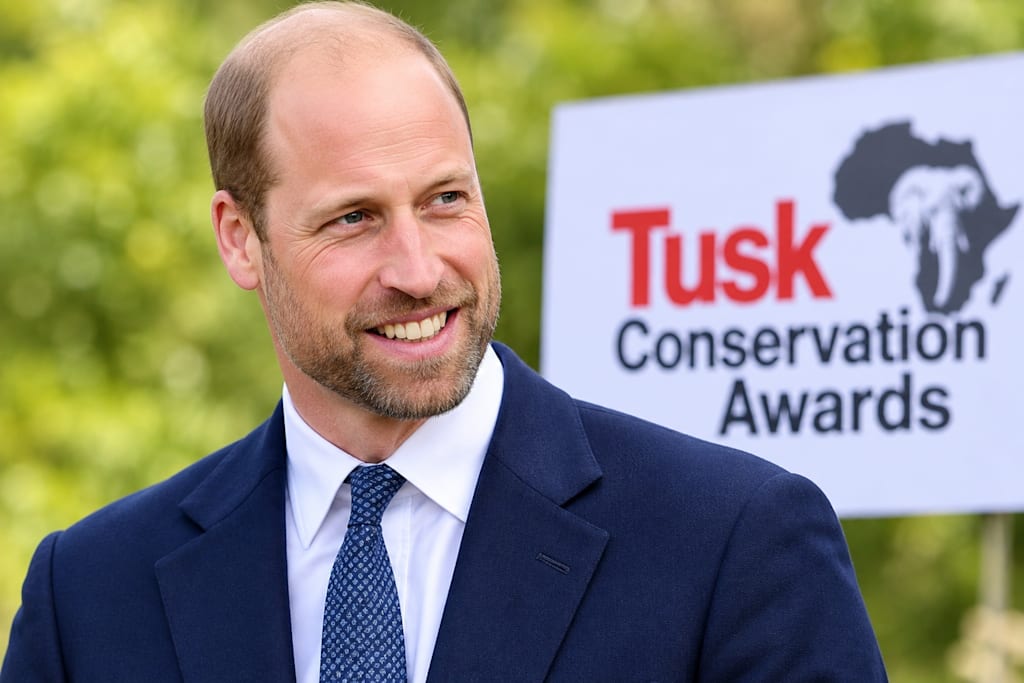
A glittering London hotel. International guests. Cameras flashing as Prince William stepped onto the stage.
At first glance, the evening looked like another important royal engagement. But the people receiving the awards were not celebrities, politicians or members of the royal family.
They were conservationists—people whose daily work takes them into some of Africa’s most challenging environments to protect wildlife, defend natural habitats and support local communities.
On November 11, 2026, Prince William hosted the Tusk Conservation Awards in London. The event celebrated individuals making a difference across Africa, bringing international attention to people whose work often happens far from the spotlight.
And some of their stories were remarkable.
A Royal Mission With a Deeper Purpose
Prince William has supported African wildlife conservation for years. As royal patron of Tusk, an international conservation charity, he has helped bring attention to the people working to protect Africa’s natural heritage.
The awards, established in 2013, recognize conservation leaders whose efforts deserve greater recognition.
But this year's ceremony carried an important message: protecting wildlife is not simply about saving individual animals. It also means protecting the people, communities and landscapes connected to them.
In his address, William acknowledged that conservation has become increasingly challenging and dangerous.
He emphasized that the people working on the front lines deserve more than applause. They need practical support, resources and recognition.
It was a reminder that behind every successful conservation project are people making difficult decisions and taking real risks.
The Woman Taking Wildlife Crime to Court
One of the evening's notable winners was Raabia Hawa, founder and director of the Ulinzi Africa Foundation in Kenya.
Her work focuses on protecting the Tana Delta and Lamu landscape, areas where wildlife and fragile ecosystems face serious threats.
Hawa's approach goes beyond traditional conservation patrols.
Her organization works to protect animals and habitats while also challenging activities that threaten the environment, including illegal fishing, destructive trawling and proposed mining projects.
Rather than relying only on patrols, she has also used legal action to challenge environmental damage.
That determination earned her the Tusk Award for Conservation in Africa.
Her recognition is important because conservation is not always a simple battle between people and poachers. It can involve complicated questions about land, livelihoods, business interests and the future of local communities.
Hawa's work demonstrates how legal action, local knowledge and community involvement can become powerful tools for protecting nature.
The Ranger Who Helped Bring Rhinos Back
Another remarkable story belonged to Daniel Yiankere, a Kenyan conservation professional with more than 30 years of frontline experience.
Yiankere, security manager at Loisaba Conservancy in Kenya, received the Tusk Wildlife Ranger Award.
His work has involved protecting wildlife and coordinating security operations in an environment where the safety of animals and people requires constant attention.
One of the most significant achievements associated with his work was the return of critically endangered eastern black rhinos to Loisaba in 2024.
The reintroduction required years of preparation and cooperation among conservation teams, authorities and local communities.
According to reporting on the project, the rhino population has since grown from 21 animals to 28, including seven calves.
That progress offers a powerful example of what sustained conservation work can achieve.
For a species that has faced severe pressure from poaching and habitat loss, every new generation represents hope.
Yiankere's award recognized his contribution, but his achievement also reflects the efforts of the wider team working to protect these animals.
The Human Cost of Protecting Wildlife
Behind the awards, however, lies a difficult reality.
Wildlife rangers can face dangerous conditions while protecting animals and natural habitats. Some work in remote areas, far from immediate medical assistance or reliable resources.
A report presented around the awards highlighted the risks: at least 565 African rangers have been killed in the line of duty since 2011.
The same reporting noted that only around half have access to insurance, while many lack adequate health and safety training.
These figures make the evening's message especially important.
Celebrating conservationists is meaningful, but recognition alone cannot protect someone working in a dangerous environment.
Rangers need training, insurance, equipment, medical support and fair working conditions.
In 2024, Tusk, United for Wildlife and the Game Rangers Association of Africa launched a five-year initiative aimed at expanding welfare support and life insurance access for 10,000 rangers across Africa.
It is an important reminder that conservation must include the protection of the people doing the work.
More Than a Trophy
The ceremony also recognized Dr. Colleen Begg, a conservation leader from Mozambique, for more than three decades of work.
Her efforts have focused on protecting large carnivores while supporting communities living alongside wildlife.
The awards provide more than public recognition. Financial grants are directed to the winning organizations to help strengthen their conservation projects.
That practical support can make a real difference, helping local teams continue their work and develop new initiatives.
For Prince William, the event was also an opportunity to reinforce a cause that has remained important throughout his public life.
His involvement shows how royal influence can be used to bring attention to issues that might otherwise receive less international coverage.
The Real Heroes of the Evening
Royal events often attract attention because of the people attending them. But on this occasion, the most important stories belonged to the award winners.
They were stories of persistence, teamwork and responsibility.
From Kenya's threatened coastal ecosystems to the recovery of black rhinos, their work demonstrates that protecting the natural world requires more than good intentions.
It requires people willing to show up every day, even when the work is difficult and the results take years to appear.
Prince William may have presented the awards, but the achievements belonged to the conservationists and the communities working alongside them.
Perhaps that was the evening's most meaningful message: the future of Africa's wildlife will depend not only on international attention, but on supporting the people who are already fighting to protect it.
What do you think is the most important way to protect endangered wildlife: stronger laws, better support for rangers, or greater involvement from local communities?
About the Creator
Behind the Curtain
"Exploring the untold stories and hidden truths. From royal rumors to cultural deep dives, Behind the Curtain brings you bold, insightful narratives that spark curiosity and conversation."
Enjoyed the story? Support the Creator.
Subscribe for free to receive all their stories in your feed.
Comments
There are no comments for this story
Be the first to respond and start the conversation.