
New Device From Starlink Rival Taara Promises 25Gbps Internet Using Light
“Alphabet’s Taara Introduces Fiber-Like Speeds Without Cables, Using Advanced Light Beam Technology
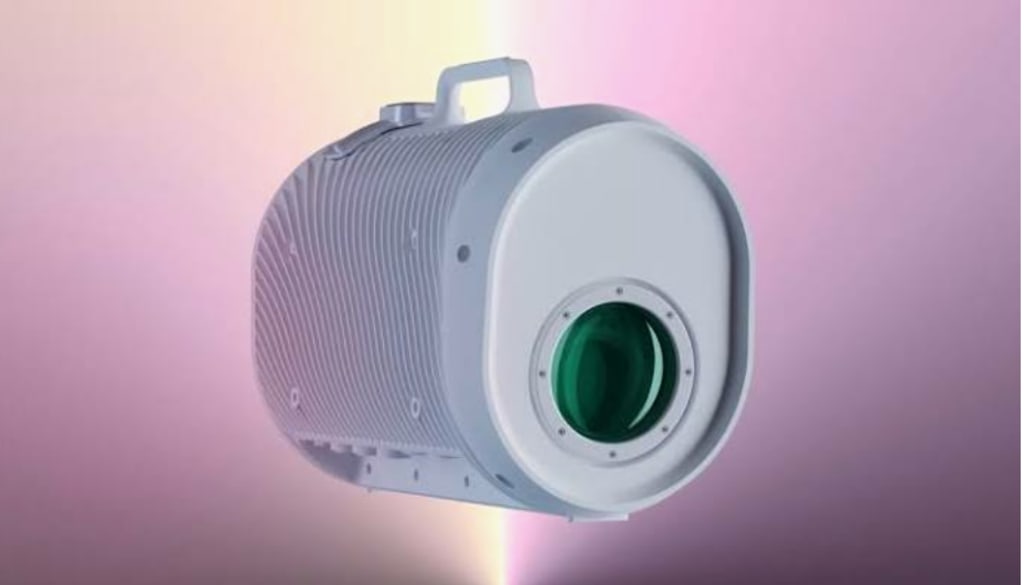
In a world where fast internet is no longer a luxury but a necessity, a groundbreaking innovation is emerging that could reshape how we think about connectivity. A company called Taara, a spinout from Alphabet X, has introduced a new device capable of delivering 25 gigabits per second (Gbps) internet — using beams of light instead of cables or radio waves. Yes, you read that right. No fiber digging. No satellites in orbit. Just light. Let’s break down what this means and why it matters. 💡 What Exactly Is Taara’s New Device? Taara’s latest innovation, known as the Taara Beam, is a compact, shoebox-sized device that transmits data using free-space optical communication (FSO). Instead of sending internet signals through underground fiber cables or through satellites like Starlink, Taara uses invisible beams of near-infrared light to move data through the air. Think of it like fiber-optic internet — but without the fiber. The device relies on an advanced photonics platform with an optical phased array, which electronically steers light beams with extreme precision. Unlike older laser systems that required moving mechanical parts, Taara’s system has no moving components, making it more durable and efficient. ⚡ How Fast Is 25Gbps, Really? To put 25Gbps into perspective: You could download a full 4K movie in seconds. Large enterprise databases could sync almost instantly. AI systems and cloud servers could exchange data in real time. Smart city systems could process traffic, surveillance, and sensor data without delay. This kind of speed is typically associated with high-end fiber connections. Delivering it wirelessly through air is what makes Taara’s technology so revolutionary. 🌍 How Does It Work? The system works by sending a tightly focused beam of invisible light between two Taara devices. These units must have a clear line of sight — meaning no buildings, trees, or heavy obstructions in between. The beam can travel distances of up to 10 kilometers (about 6 miles) while maintaining ultra-low latency — reportedly under 100 microseconds. That’s significantly faster than many satellite-based solutions. Because it operates in the optical spectrum, Taara avoids: Radio frequency congestion Expensive spectrum licensing Interference from other wireless systems This gives it a clean, high-capacity communication channel. 🛰️ Is This a Real Rival to Starlink? It’s tempting to call Taara a direct competitor to Starlink, the satellite internet service developed by Elon Musk’s company SpaceX. But the reality is more nuanced. Here’s the difference: Starlink Taara Uses satellites in space Uses ground-based light beams Great for remote rural areas Best for urban and enterprise connections Requires dish installation Requires line-of-sight device placement Higher latency than fiber Fiber-like ultra-low latency Taara is not necessarily replacing satellite internet — instead, it could complement it. For dense cities where digging fiber is expensive and disruptive, Taara offers a faster and potentially cheaper solution. 🏙️ Where Could Taara Be Used? While it’s not designed for direct home use (at least not yet), Taara’s technology could be transformative in several key areas: 1️⃣ Telecom Infrastructure Connecting cell towers and backbone networks without laying new cables. 2️⃣ Smart Cities Linking traffic systems, sensors, and surveillance networks with ultra-high bandwidth. 3️⃣ Data Centers Providing low-latency connections between buildings or server clusters. 4️⃣ Enterprise Campuses Connecting large corporate campuses or industrial zones quickly and efficiently. Installation can reportedly be done within hours, compared to months or years for fiber trenching projects. 🌧️ What Are the Limitations? No technology is perfect, and Taara’s system does have some challenges: Line-of-sight requirement: Any physical obstruction can interrupt the signal. Weather sensitivity: Heavy rain, fog, or dust storms may degrade performance. Enterprise focus: It’s not currently marketed for individual households. However, engineers are working on mesh networking systems and hybrid solutions that combine optical and radio links to reduce these weaknesses. 🔬 Why This Matters for the Future of Internet We are entering an era where: AI models demand massive bandwidth Autonomous vehicles generate huge data streams Smart cities rely on real-time analytics Remote work and cloud computing dominate industries Traditional fiber rollout is expensive and slow. Satellite networks are powerful but have limitations. Taara’s optical communication system offers a third path — high-speed, low-latency, rapidly deployable infrastructure. It represents a shift toward light-based networking, which could become a foundational technology in next-generation connectivity. 📡 A Glimpse Into Tomorrow Taara officially showcased its technology at global telecom events, signaling that it’s ready for commercial deployment. If telecom operators adopt it widely, we could see a new hybrid internet ecosystem emerge: Fiber where possible Satellites where necessary Optical light beams where efficient The internet of the future may not rely on just one technology — but a combination of them. ✨ Final Thoughts The launch of Taara’s 25Gbps light-based internet device is more than just another tech announcement. It signals a deeper transformation in how networks are built. Instead of digging trenches or launching rockets, the future of ultra-fast connectivity might simply involve pointing a beam of invisible light across the skyline. And that’s a powerful idea.
About the Creator
Enjoyed the story? Support the Creator.
Subscribe for free to receive all their stories in your feed.
Comments
There are no comments for this story
Be the first to respond and start the conversation.