
My only son was shot standing up for justice' - inside city gripped by deadly protests in Pakistan-administered Kashmir
Families mourn loved ones as unrest over economic grievances turns deadly, leaving a community searching for answers and accountability.
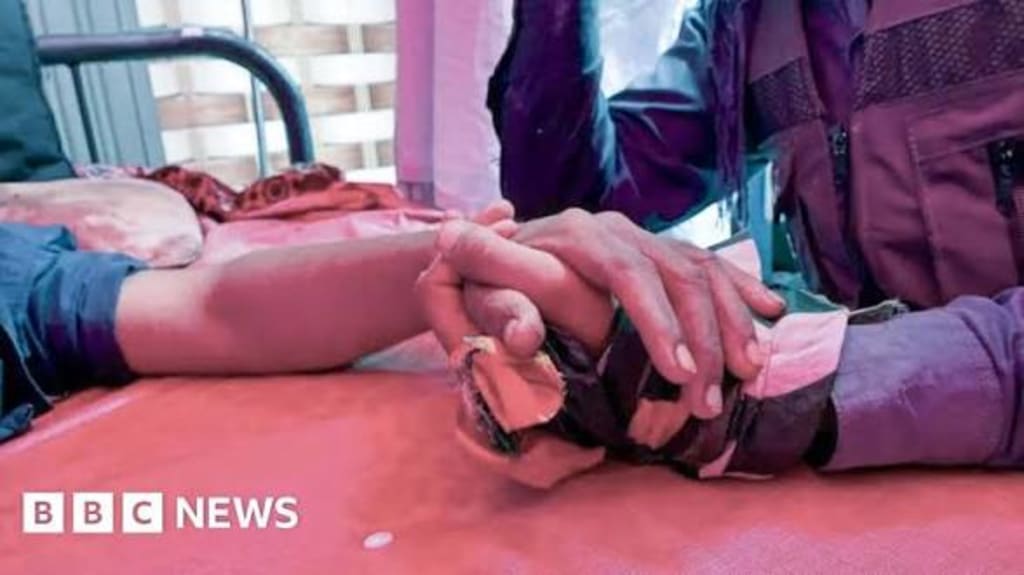
The grief is written across the faces of families who have lost loved ones during recent unrest in Pakistan-administered Kashmir. In neighborhoods still recovering from days of tension, mourning relatives speak of lives cut short, while residents continue to grapple with the consequences of protests that turned deadly.
Among them is a father who says his only son was killed during demonstrations that erupted amid growing public anger over economic hardship and governance issues. Sitting in a modest family home surrounded by relatives, he recalls the moment he learned that his son had been shot.
"My only son was standing up for justice," the father says quietly. "He believed people should have the right to raise their voices peacefully. He never imagined he would not come back home."
The protests, which drew thousands of participants across several towns and cities, began as demonstrations against rising costs of living and demands for greater government action on basic services. Organizers described the movement as a peaceful campaign aimed at drawing attention to economic pressures affecting ordinary households.
However, tensions escalated as large crowds gathered in urban centers. Clashes between protesters and security forces were reported in multiple locations. What began as rallies and marches soon developed into confrontations that left several people dead and many others injured.
In the city at the center of the unrest, streets that were once crowded with shoppers and commuters became scenes of uncertainty. Businesses closed their doors, schools suspended activities, and residents stayed indoors as security measures intensified.
Local shopkeeper Ahmed Khan says the atmosphere changed dramatically within hours.
"People were angry, but most wanted to protest peacefully," he explains. "Then the situation became chaotic. We started hearing reports of violence, and everyone became afraid."
Witnesses describe seeing large groups of demonstrators carrying banners and chanting slogans demanding relief from economic challenges. Many participants argued that rising utility costs and inflation had placed enormous strain on families already struggling to make ends meet.
For some residents, the protests represented more than economic concerns. They became a symbol of frustration over what many perceived as a lack of responsiveness from authorities. Community leaders say the demonstrations reflected a broader demand for accountability and meaningful dialogue.
Human rights advocates have called for transparent investigations into the deaths and injuries that occurred during the unrest. They argue that determining exactly what happened is essential for restoring public confidence and preventing future violence.
"The loss of life is a tragedy regardless of political position," says one local activist. "Families deserve answers, and communities deserve reassurance that such events will not be repeated."
Government officials have expressed regret over the fatalities while emphasizing the challenges faced by security personnel during periods of heightened tension. Authorities have stated that maintaining public order remains a priority and have pledged to examine the circumstances surrounding the incidents.
Meanwhile, families continue to wait for clarity.
At a cemetery overlooking the city, fresh graves serve as a stark reminder of the human cost of the unrest. Relatives visit daily, bringing flowers and offering prayers. For many, the pain remains overwhelming.
One mother struggles to describe her loss.
"He left home in the morning and never returned," she says. "Every day I expect to hear his voice at the door."
The emotional toll extends beyond those who lost family members. Many residents report feelings of anxiety and uncertainty about the future. Young people, in particular, express concern about limited economic opportunities and the growing pressures facing their communities.
University student Bilal Hussain says the protests reflected frustrations shared by many in his generation.
"People want jobs, stability, and a chance to build their future," he says. "When those concerns are ignored, anger grows."
Despite the violence, community elders and civil society groups have urged calm. Meetings have been held between local representatives, activists, and officials in an effort to reduce tensions and encourage dialogue.
Religious leaders have also appealed for unity, emphasizing the need for peaceful solutions to political and economic disputes. In sermons and public gatherings, they have called on all sides to avoid further confrontation.
Yet memories of the unrest remain fresh. Bullet marks on buildings, damaged vehicles, and shuttered storefronts continue to remind residents of the turmoil that swept through their city.
For the father mourning his son, the political debates surrounding the protests are secondary to the personal loss he now carries.
He points to a photograph of his son, smiling and dressed for a family celebration. The image captures a future that will never be realized.
"He had dreams," the father says. "He wanted to help his family and serve his community. Now all we have are memories."
As Pakistan-administered Kashmir seeks to move beyond the violence, residents face difficult questions about justice, accountability, and reconciliation. While investigations and political discussions continue, grieving families remain focused on a simpler hope: that no other parent will have to endure the same pain.
In a city still marked by sorrow, their stories serve as a powerful reminder that behind every headline is a family forever changed by loss. Whether the protests ultimately lead to meaningful reforms remains uncertain, but for those who buried loved ones, the cost has already been profound.
Their voices continue to echo through streets slowly returning to normality, carrying a message that transcends politics: the value of human life and the enduring search for justice in the aftermath of tragedy.
About the Creator
Enjoyed the story? Support the Creator.
Subscribe for free to receive all their stories in your feed.
Comments
There are no comments for this story
Be the first to respond and start the conversation.